Tech In Plain Sight: Speedometers

In a modern car, your speedometer might look analog, but it is almost certainly digital and driven by the computer that has to monitor all sorts of things anyway. But how did they work before your car was a rolling computer complex? The electronic speedometer has been around for well over a century and, when you think about it, qualifies as a technlogical marvel.

If you already know how they work, this isn’t a fair question. But if you don’t, think about this. Your dashboard has a cable running into it. The inner part of the cable spins at some rate, which is related to either the car’s transmission or a wheel sensor. How do you make a needle deflect based on the speed?
Continue reading “Tech In Plain Sight: Speedometers”

Farewell Magnetic Stripe

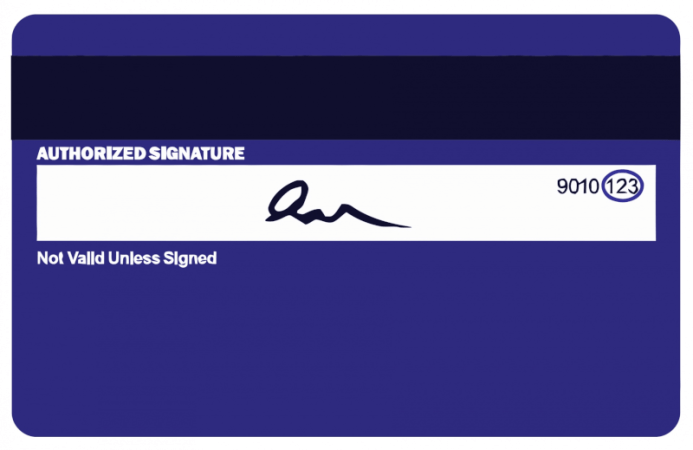
For decades, the magnetic stripe has been ubiquitous on everything from credit cards to tickets to ID badges. But the BBC reports — unsurprisingly — that the mag stripe’s days are numbered. Between smartphones, QR codes, and RFID, there’s just less demand for the venerable technology.

IBM invented the stripe back in the early 1960s. The engineer responsible, [Forrest Parry], was also involved in developing the UPC code. While working on a secure ID for the CIA, his wife suggested using an iron to melt a strip of magnetic tape onto the card. The rest is history.

Continue reading “Farewell Magnetic Stripe”

Ask Hackaday: How Can We Leverage Tech For Education?

If you’re like us, you’ve studied the mathematician [Euler], but all you really remember is that you pronounce his name like “oiler” and not much else. [Welch Labs], on the other hand, not only remembers what he learned about logarithms and imaginary numbers but also has a beautiful video with helpful 3D graphics to explain the concepts.

This post, however, isn’t about that video. If you are interested in math, definitely watch it. It’s great. But it also got us thinking. What would it be like to be a high school math student today? In our day, we were lucky to have some simple 2D graph to explain concepts. Then it hit us: it probably is exactly the same.

Continue reading “Ask Hackaday: How Can We Leverage Tech For Education?”

Pulling Apart A Premium WebCam

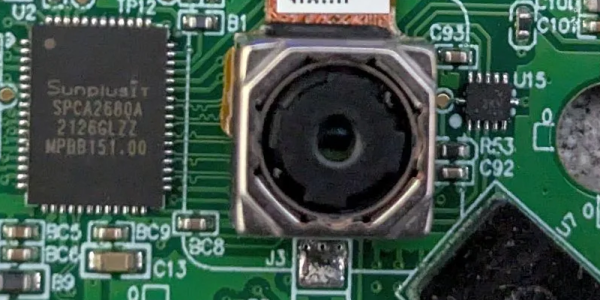
Over at EDN, [Brian Dipert] has been tearing down web cameras. A few months ago, he broke into a bargain basement camera. This time, he’s looking into a premium unit. Although we have to admit from some of what he reports, we are a little surprised at some of the corners cut. For example, it’s a 4K camera that doesn’t quite provide a 4K image. Despite a Sony CMOS sensor, [Brian] found the low-light performance to be poor. However, it does carry a much larger price tag than the previous camera examined.

The interesting part is about half way down the page when he tries to open the unit up. It seems like it is getting harder and harder to get into things and this camera was no exception. The device finally gives up. Inside is a relatively unremarkable board with a host of unknown ICs. One interesting item is a gyro chip that determines if the camera is upside down.

[Brian] managed to get the camera back together with no harm. It is interesting to compare it to the $15 camera he took apart earlier.

If you want maximum cred, do your video calls with a Game Boy camera. Or, at least, add your own lens to a webcam.

Does Solar Energy Make Us Vulnerable?

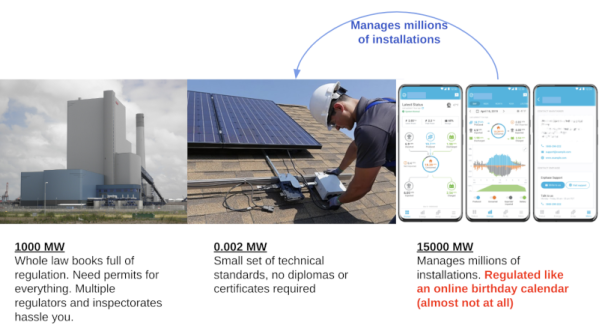
Here’s a hypothetical situation. You decide to build your own steam generator plant and connect it to the electric grid. No matter where you live, you’d probably have to meet a ton of requirements from whoever controls your electric power, almost surely backed by your government. Yet, according to a recent post by [Bert], a version of this is going on in Europe and, probably, in many more places: unregulated solar power inverters driving the grid.

If you have just a few solar panels hanging around, that probably isn’t a problem. But there are a sizeable number of panels feeding power — and that number seems to grow daily — having control of the inverters could potentially allow you to limit the grid’s capacity or — if the inverters allowed it — possibly take the grid down by feeding power incorrectly back into the grid.

Continue reading “Does Solar Energy Make Us Vulnerable?”

Are You Using Your Calipers Wrong?

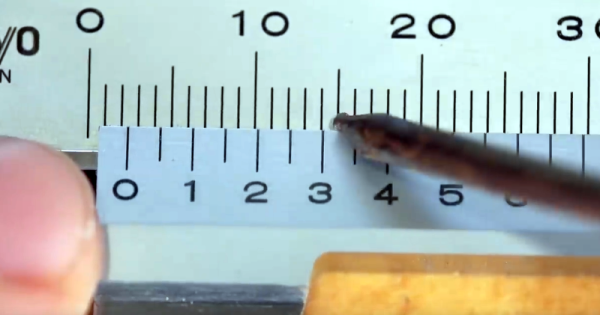
It used to be that calipers were not a common item to have in an electronics lab. However, smaller parts, the widespread use of 3D printers and machining tools, and — frankly — cheap imported calipers have made them as commonplace as an ordinary ruler in most shops. But are you using yours correctly? [James Gatlin] wasn’t and he wants to show you what he learned about using them correctly.

The video that you can see below covers digital and vernier calipers. You might think digital calipers are more accurate, in practice, they are surprisingly accurate, although the digital units are easier to read.

Continue reading “Are You Using Your Calipers Wrong?”

Pulling Hydrogen Out Of The Water

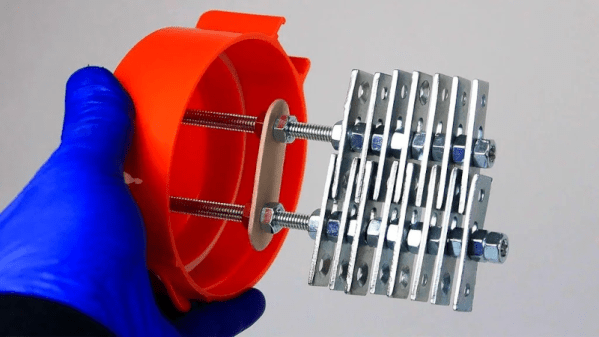
In theory, water and electric current will cause electrolysis and produce oxygen and hydrogen as the water breaks apart. In practice, doing it well can be tricky. [Relic] shows an efficient way to produce an electrolysis cell using a few plastic peanut butter jars and some hardware.

The only tricky point is that you need hardware made of steel and not zinc or other materials. Well, that and the fact that the gasses you produce are relatively dangerous.

Continue reading “Pulling Hydrogen Out Of The Water”