Another Take On Roasting Those Beans

[Andrew] takes his coffee very seriously and like any hardcore aficionado he wanted to do the roasting himself. The coffee roaster design uses a heat gun for the roasting and sources an old bread maker as a vessel. As part of the automatic bread making process there’s a little agitator arm inside which keeps the beans moving while the heat is applied. A computer controls the heat gun, adjust with feedback from a temperature sensor. We had a bit of a laugh reading about melted temperature sensors, but design flaws aside this computer interface allows rather strict control of the roasting profile.

Reader [Youseff] tipped us off about this after seeing the Popcorn Coffee Bean roaster from last week.

Salty LEDs

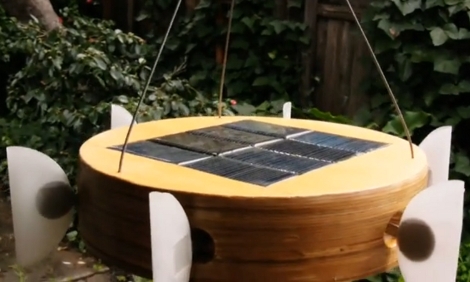
[Davross] pulled off an LED lighting build for his coral aquarium. The module consists of a wooden body holding a 3×16 grid of LEDs. They are mounted to heat sinks which themselves have cooling fans to help keep those puppies from melting. The system is controlled by an Arduino which allows for almost limitless lighting options. The photo above shows the LEDs running at 50%. He’s also taken some photos of the tank in “moonlight” mode. It’s a long and detailed forum thread but you can skip to some nice photos of the coral under the lights or details about the build.

[Thanks Passmadd]

Face Tracking With X10

If you are looking to do some face tracking and don’t know where to start, this explanation of how to do it with X10 modules could be pretty helpful. Aside from having, what some could consider to be, the absolute most annoying website ever for a company, X10 also makes modular systems for home automation. X10 also refers to the industry standard for home automation, so sometimes just saying you did something with X10 can get confusing.   He is using the SDK to write custom code for the tracking, which you can download from the project page.

[via HackedGadgets]

IPhone Look-alike On Your Kitchen Wall

[Ryan] and his wife wanted to have a touchscreen interface in the kitchen to store their recipes and for various music, video, and Internet entertainment. We know where they’re coming from, we’re quite tired or cleaning flour (or worse!) off of our palm pilot screen after baking. The display you see on the wall is just the interface, a computer is stored in the cabinet below the counter. He’s running Windows 7 and using a custom graphic interface which is intended to mimic the looks of the iPhone. He’s sharing the UI as open source and has just started a forum for those interested in trying it out and adding to the available features.

One thing we noticed in his writeup, he prototyped this with an old 2 GHz computer but upgraded the hardware because it was too slow. This pushed to total build price to about $1350 USD. We can’t help but mention that using a Linux based system may have saved him from the upgrade. We know there’s some extremely powerful media software that runs on light hardware specs.

[Thanks Hannah]

Ideas Based On Photo Frame Clock

[Mahto] bought a digital picture frame but the image quality turned out to be terrible. He decided to turn it into a clock in a unique way. He loaded up 720 images, one for each minute in a twelve hour period. He then used an Arduino to simulate a button once a minute, cycling to the next image.

This is a simple solution and it works. Visions of hardcore hacks danced through our head when we first looked at this. We’re wondering if there is a way to inject image data into the frame’s memory? How about rewriting the SD card location where the image file that’s currently being displayed is stored, then having the frame reload the picture? Those are projects for a snowy weekend, but we’re sure that [Mahto] finished this hack long before we would have because he kept it simple.

Sooner or later we’re going to need a category for all of these clock hacks.

[Thanks Drone]

Hack Together A Coffee Roaster

For most people, making coffee entails taking a couple scoops out of a can of pre-ground coffee, adding water, and pressing “Go” on the drip machine. To others coffee brewing is an artform, and want as much control over the process as possible. For those without an overflowing bank account for a home roasting machine, Evil Mad Scientist Labs have put together a general guide for throwing together a Coffee Bean Roaster and cooler (which is apparently just as important as roasting) from a low cost hot air popcorn popper. The home roasting scene is even big enough to warrant its own Wikipedia page, which also mentions using a popcorn popper as a bean roaster.

The guide includes some great simple circuit diagrams to keep in mind when hacking your own, as well as a good explanation why you shouldn’t just clip out the heating coil for cooling mode.

Coded Entry Using Your Wristwatch

[Ziyan] and [Zach] built a door entry system that uses a code entered from your wristwatch. They’re using the TI eZ-430 Chronos that we saw in November. There is a project box mounted over the deadbolt lever. Inside, the wireless fob waits for the watch to connect. When a watch has connected and the correct code is received (using 128 bit encryption) the fob actuates a servo to turn the lock. On the user side of things the code is entered by tapping the watch. The built-in accelerometer picks up these taps and relays them to the door unit.

It’s a heck of a project! Check out their demonstration video after the break. We’d like to see a mechanical option for escaping the apartment in case the door unit fails but otherwise we think this is perfectly executed. We’re looking forward to seeing more projects that tap into this TI hardware.

Continue reading “Coded Entry Using Your Wristwatch”