[bgugi] was the first to notice that yesterday’s post had been seen before, tucked away in an extra last year. (I do check for these things, but it slipped through.) I honor of my little lapse, here’s a fully loaded extra.
[Matt] scored some interesting hardware next to one of the local dumpsters. He also just put up part one of his coil gun based on ten $1 disposable cameras.
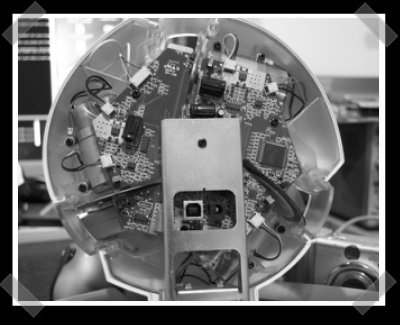
[Darren] sent in this USB webcam that was mounted in a Canon FX SLR body. Now the cam can be fitted with old (inexpensive) lenses for better performance.
[Brandon] really likes his XBox live – enough to set up access via Sprint EVDO and install everything in his Mini Cooper with a set of VR glasses and controller in the glovebox for instant access.
These were all over the place this week, but I wanted to put them out there. [Pablos] showed BoingBoing how completely lame RFID enabled credit cards are. And it’s way to much fun to watch this dog play with his own robotic ball tosser.
[Jason] sent in his altoid tin guitar – he slapped a piezo inside the tin to get signal out of it.
[David] sent in his older, but still awesome Segbot. It’s a balance bot that’s controlled via wireless modem with camera feedback.
Last and definitely not least, [Basil] sent in his Midistrip guitar mod. He added a capacitive touch strip to the body of a guitar and uses it to create midi output. Check out the demo vids here, here and here.