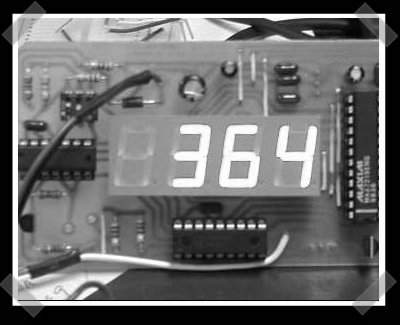
It might seem like we’re on a vehicle hacking kick this weekend, but [Rex] built an excellent custom digital tach for his race car. It uses the classic seven segment displays, a PICAXE microcontroller and works with most engines. He’s released full source and PC board designs to boot. This looks like a great little tachometer project for you microcontoller fiends out there.
diy457 Articles
GSM Remote Control Project
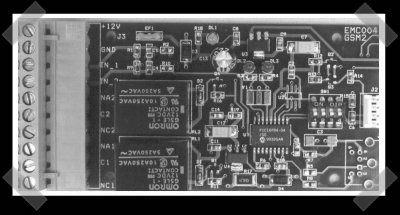
It’s been a while since we’d seen any new SMS/GSM/serial remote interface projects. [Emanuele] sent in his version of a project to do just that. It uses a PIC16F84 and will send or receive commands. A pair of relays provide options for controlling whatever you want to hook it up to. You’ll need a login, but he’s released the full schematics and firmware. He developed this to find uses for old phones, but an alternative is to pick up a cheap calling card cell and dedicate it to a project like this. This seems like a great way to add an out of band alarm system to your house/car/robotic minion.
Make An ECG With Your Sound Card
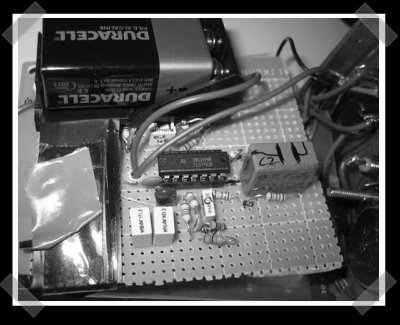
[Marcus] sent in his work on making ECGs. His first one was inspired by [Jason]’s. Believe it or not, you can build this thing for under $5. After getting it semi-functional, he decided to pick up a cheap one and mod it for PC input via the sound card. (There are plenty of sound card oscilloscope projects that will work for this.) Remember kids, don’t go sticking electrodes on anyone unless you know what you’re doing: correctly placed electrical shocks (even low power ones) can be deadly.
LCD Projector Repair
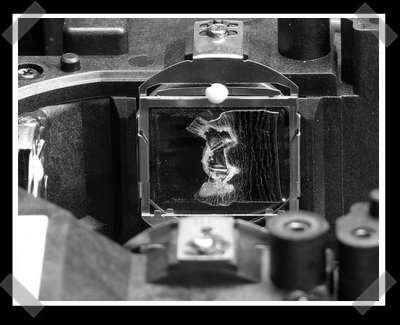
[Kieth] picked up an Infocus projector only to find that it needed some repair. The polarizer on the blue light path was toast. When he parted out an Optoma projector he scored a polarizer that was just about right for the repair. It’s a good read even if you don’t have a projector in pieces at the moment. He ended up bending the mounting bracket a bit to hold the filter and got his projector fully up and running again.
Projector Hacks Roundup
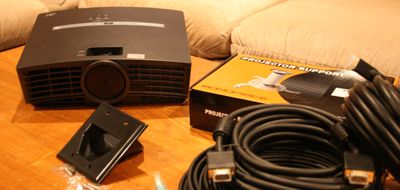
Projectors have long been a favorite toy of hardware hackers. From reactive displays to cheap home theater, there are plenty of reasons to play with photons. Seeing some cheap projector repair put us in the mood to cover some of our favorite projector projects – check em out after the break.
Cheap Projector Repair
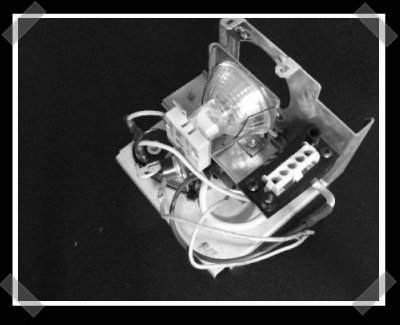
[Ryan] sent in this writeup on some DIY projector repair. The write-up is a little hard to follow, but maybe it’ll inspire some future projector landfill saves. [Dissident] replaced the light bulb and ballast in an older DLP projector with some salvaged MR-16 hardware from an even older over head projector. The main trick required was to bridge the trigger leads that tell the projector that the bulb is on and working.
DIY Heated Vest/clothing
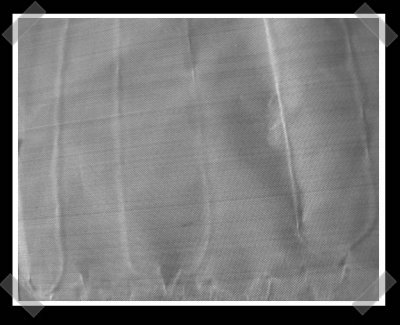
[Jared] sent in his experiment in building his own heated vest for motorcycle riding. He used some of the ever so common enamel coated wire and some surplus teflon tape in place of Teflon coated wire. So far he’s been testing things out with a bench power supply, but it seems to be working. Despite my love of building my own stuff, I’d probably just pony up for a commercial product. His site is hosted on his DSL, so I’ve put up a mirror here. (with some tweaks to the thumbnails to make them load faster.)