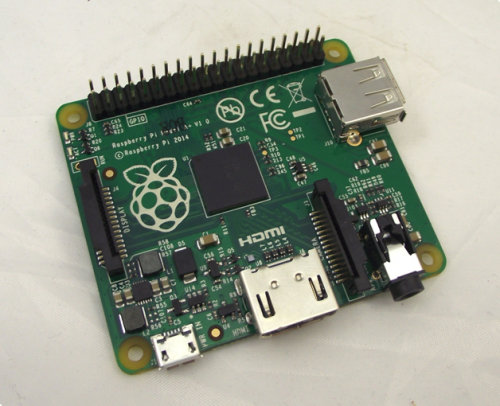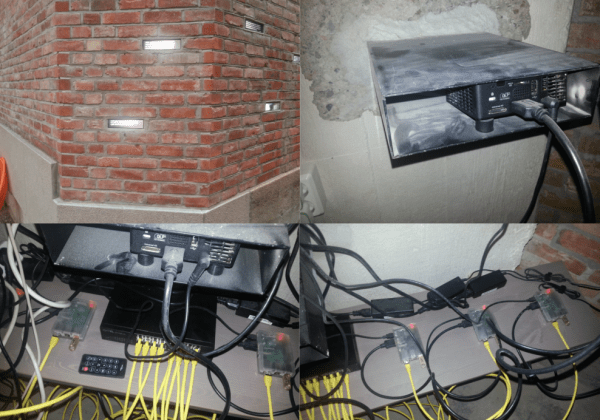
[eN0Rm’s] Raspberry Pis are much more than just another brick in the wall. He’s used the popular embedded Linux platform to build several small rear projection screens in a brick wall (Imgur link). Brick shaped metal enclosures were mortared into the wall of the building. Each rear projection screen is illuminated by a DLP projector which sits inside the metal enclosure. The Raspberry Pis sit on a shelf below all this. The bricks are in a building in the Aker Brygge section of Oslo, Norway, and show historical facts and short videos about the local area.
[eN0Rm] could have used a PC for this task, the price for a low-end PC with a few graphics cards probably wouldn’t have been much more expensive than several Raspberry Pi’s with cases. However, this system has to just work, and a PC would represent a single point of failure. Even if one Raspberry Pi goes down, the others will continue running.
The current installation is rather messy, but it’s just a test setup. [eN0Rm] has already been taken to task for the lack of cable management in his Reddit thread. As [eNoRm] says – first get it working, then make it pretty.