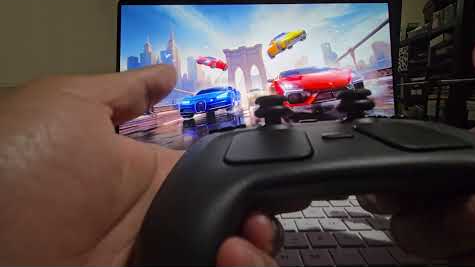
DIY Steam Controller Puck Offers Xbox, Switch, PlayStation Emulation Modes

Valve recently released a new version of the Steam Controller, which features a wired USB puck that serves both as charger and dedicated, low-latency wireless receiver. The downside is they aren’t currently available for purchase separately, but that’s not a worry because you can now make your own thanks to [safijari]’s OpenPuck project.

OpenPuck uses the highly affordable Pro Micro NRF52840 board, programmed to emulate the wireless receiver portion of the puck, meaning one can pair their Steam Controller to it just like they would with the factory puck. A major part of the project was naturally documenting the wireless protocol, but there’s also an array of extra features offered by OpenPuck.
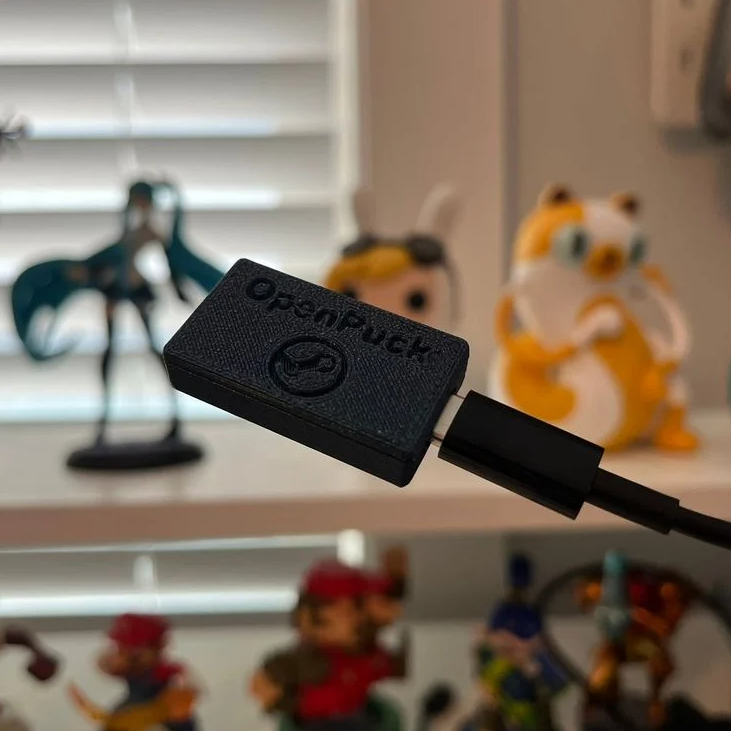
OpenPuck offers features over and above the factory offering. [image: 3d printed case by jaki-gh]
Hitting button combos lets one conveniently emulate Xbox, Nintendo Switch, or Sony PlayStation controllers. Meaning OpenPuck can for example be plugged into a Nintendo Switch and it will see OpenPuck as an official wired controller, complete with motion sensor and haptic feedback.

Why is it necessary for this emulation to be done from OpenPuck? Because while the Steam Controller has tight integration with Steam Input — a sort of highly useful translation layer for controller inputs — that integration also means the controller’s best features only work while Steam is running. OpenPuck’s ability to emulate other console controllers makes it flexible in a way the factory puck isn’t, and a user can make the most of a single controller this way.

It’s worth noting that while the real puck has the ability to charge the controller (whether or not the user makes it walk itself), the OpenPuck doesn’t have this ability. Does that mean one must still use the factory puck for charging? Not at all, as the Steam Controller charges just fine over a USB-C connection.

There’s a short video below that demonstrates the flashing and setup, so check it out if you think it might be useful to you.

Continue reading “DIY Steam Controller Puck Offers Xbox, Switch, PlayStation Emulation Modes”
Make A DIY E-ink Faceplate For Valve’s Steam Machine

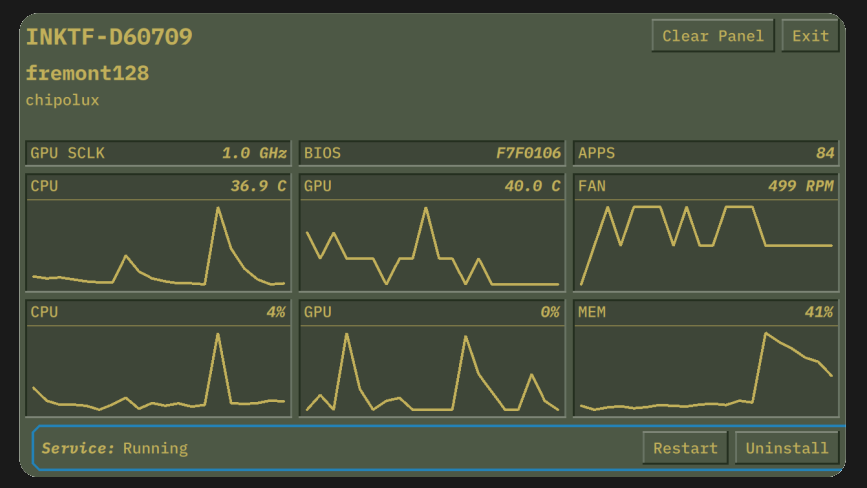
Valve has always designed hacker-friendly hardware, and in that spirit, [NaKyle Wright] released Inkterface, a design for an E-ink faceplate to fit the recently released Steam Machine. As far as projects go, this one is meticulously documented, so give it a peek.

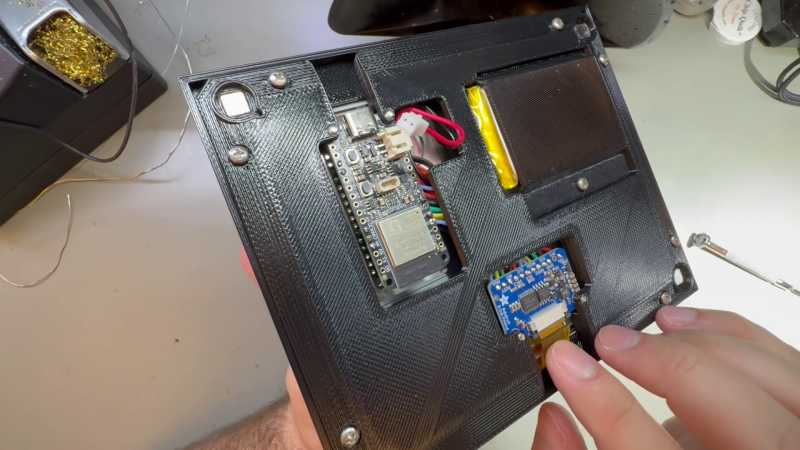
The system uses a selection of components that include a 5.83″ E-ink panel and driver board, a small lithium-polymer battery, and an ESP32-based controller board.  A cleverly-designed 3D printed frame and bezel hold everything just so, creating a snug assembly with minimal wiring hassles.

A small service can be easily configured to control how the display updates.

The faceplate is wireless and self-contained, attaching with the help of four magnets. On the software side, the host machine communicates over Bluetooth, and a service takes care of pushing updates. An app for configuring and talking to the display will be available on Steam eventually, but in the meantime one can install that part manually.

[NaKyle]’s bill of materials calls for specific components, but the underlying design is very modular. Should one wish to make hardware or component changes, alterations to the 3D printed parts might be needed as well. Fortunately, [NaKyle] includes the .step files alongside the .stl models. We love to see that, because it makes tweaking or customizing so much more accessible. A homebrewed version of this E-ink panel might be just the thing to complement a homebrewed Steam machine.

Be sure to also check out the repository of Steam hardware, which contains drawings and 3D models of the Steam Deck and Steam Controller, useful for designing holders or custom brackets or whatever else one may need.

Valve Sells Software, So What’s With All The Hardware?

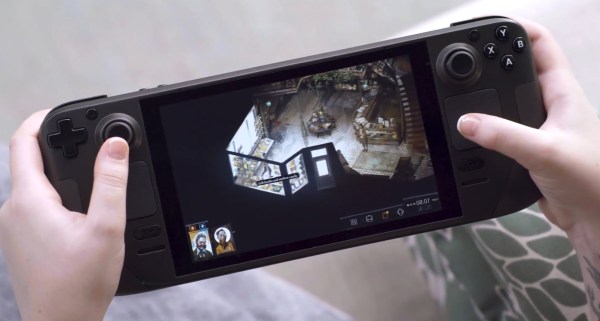
Steam branding is strong. Valve Corporation has turned their third-party marketplace into the first place millions choose to buy their PC games. The service has seen record-breaking numbers earlier this year with over 25 million concurrent users, so whatever they are doing is clearly working. Yet with all those software sales, last month Valve announced a new piece of hardware they call the Steam Deck.

Use the colloquialism you’d like, “not resting on your laurels” or “Mamba Mentality”, it’s not as if competitors in the handheld PC space are boasting ludicrous sales numbers. At their core, Valve is in the business of selling computer games. So why venture into making hardware? Continue reading “Valve Sells Software, So What’s With All The Hardware?”

Behold: Valve’s VR And AR Prototypes

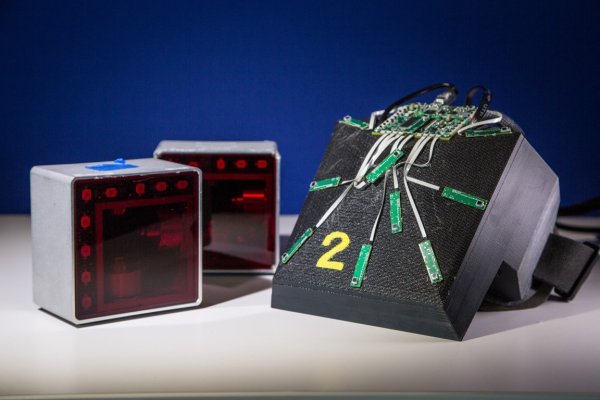
Just in case anyone secretly had the idea that Valve Software’s VR and other hardware somehow sprang fully-formed from a lab, here are some great photos and video of early prototypes, and interviews with the people who made them. Some of the hardware is quite raw-looking, some of it is recognizable, and some are from directions that were explored but went nowhere, but it’s all fascinating.

ValvePrototypeVIsit-172-Medium
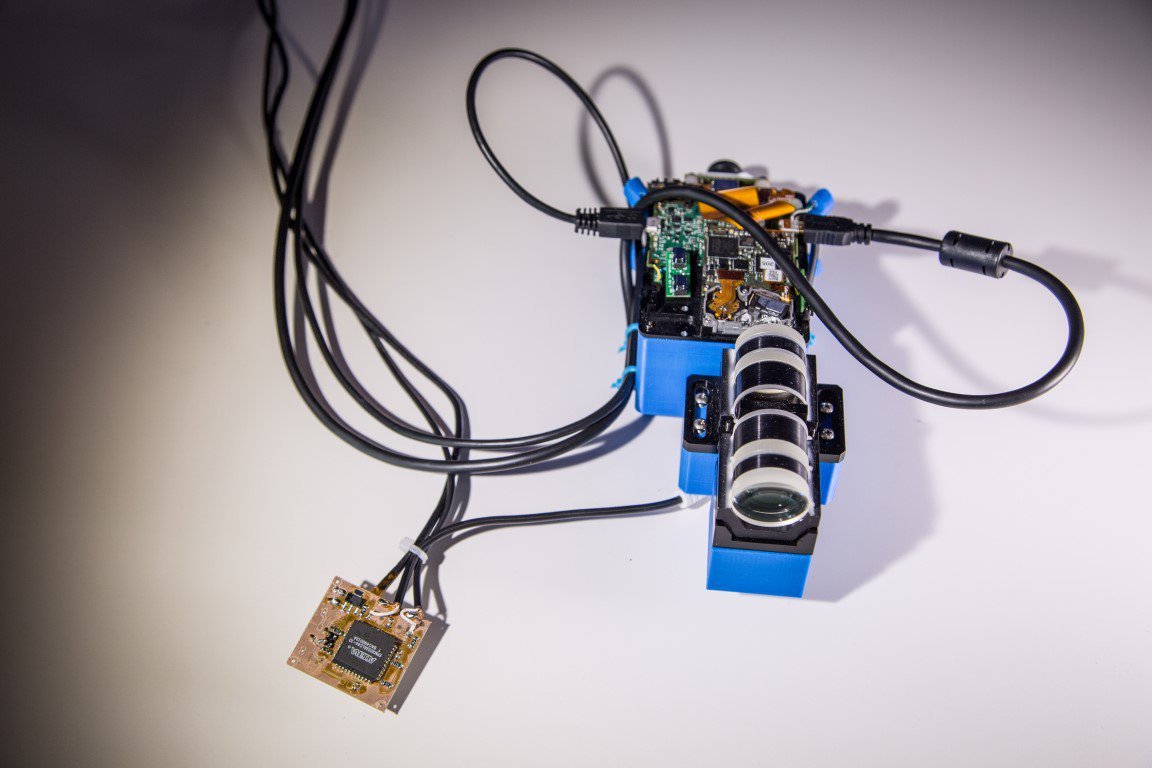
An early AR prototype that worked like looking through a tube into another world.

The accompanying video (embedded below) has some great background and stories about the research process, which began with a mandate to explore the concepts of AR and VR and determine what could be done and what was holding things back.

One good peek into this process is the piece of hardware shown to the left. You look into the lens end like a little telescope. It has a projector that beams an image directly into your eye, and it has camera-based tracking that updates that image extremely quickly.

The result is a device that lets you look through a little window into a completely different world. In the video (2:16) one of the developers says “It really taught us just how important tracking was. No matter [how you moved] it was essentially perfect. It was really the first glimpse we had into what could be achieved if you had very low persistence displays, and very good tracking.” That set the direction for the research that followed.

Continue reading “Behold: Valve’s VR And AR Prototypes”