
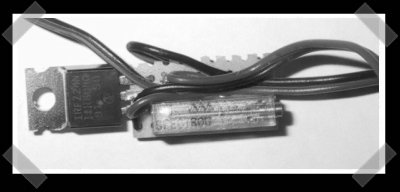
When I built my LumenLab projector, I used a thermal switch to run the fan. This simple control circuit looks like a nice alternative. The circuit is a simple adjustable temperature triggered Fet. If you know the resistance needed, you can replace the potentiometer with a cheap resistor. (You’ll want to use a DC fan)
Misc Hacks4029 Articles
DIY X-Men: Flame Throwing Wrist Guard
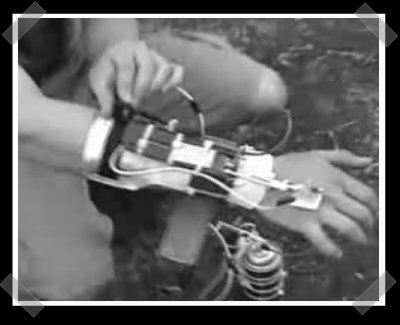
[everett] sent in his final project for his mechanisms class. In an attempt to create his own bolt on X gene, he built a wrist mounted hand activated flame thrower: The Pyro System. The wrist mount has an igniter and a nozzle for dispersing fuel. When he flexes his hand back, a switch actuates a servo on the fuel and fires the igniter. Quick disclaimer: Don’t try replicating this one! If you want to skip the movie clip, skip 33 seconds into the video.
Autonomous Catamaran

[Gabriel] put together an impressive writeup of his autonomous catamaran, Atlantis(PDF). It was certainly done as an academic project, but there’s a thorough explanation of the math logic behind the control systems. The heart of the boat was a waterproofed Pentium laptop with a CAN bus parallel interface used to talk to everything on-board. Sensors included GPS, wind, hull speed and rudder angle. In case the site can’t handle the load, I’ve mirrored the 1.4MB PDF here.
Tiller Autopilot For Small Sailboats
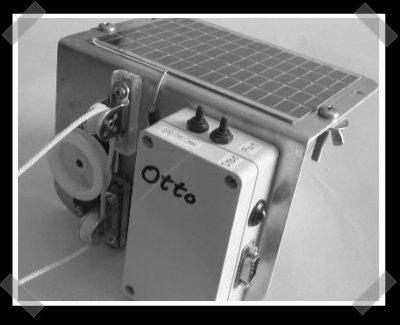
[Dennis] sent in the glider that [Art] built, but I had to feature his dinghy autopilot. It runs on solar power, takes GPS data via serial and maintains the heading using a servo motor to drive the line. It’s an excellent solution for the hardware hacking boater.
DIY Midi Pedalboard
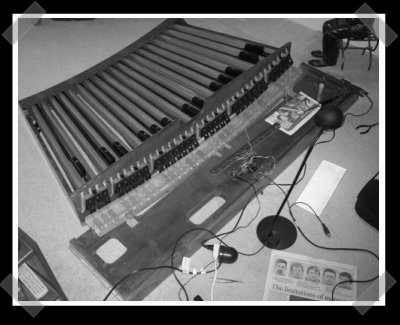
[Nick] sent in this sweet midi pedal organ. [Seffan] modded an old set of organ pedals with the cheapest midi keyboard he could find. Each pedal was equipped with a switch mechanism, so it was just a matter of patience and wiring. To come up with enough wire for the job, he sacrificed some IDE cables. If you’ve ever played with some organ pedals, you know that these things can really add another dimension to music – especially with the newly added MIDI interface.
Soekris Laser Guided Squirrel Trap
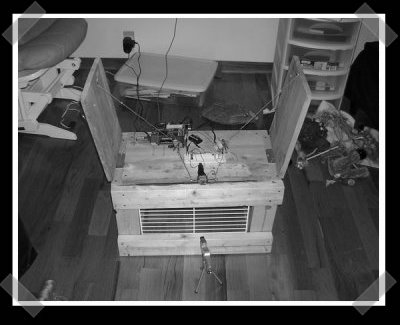
Got a bit of a pest problem? [Chad] built a better squirrel/rabbit/thing trap using a soekris box, a laser pointer, serial controlled relay and a small motor. When the laser beam is broken, the Soekris activates the relay, pulling the door pins. Then it take a picture with a webcam and send him a page.
Electric (off-road) Skateboard

[Joe] sent along this sweet little instructable on making an electric skateboard. I like this one especially for the how-to nature of the build. [Vurp] used an off the shelf mountain board with a brake addition, a 300w scooter motor/controller and a pair of 12v SLA batteries. Now that I’m back on campus, I might just be tempted to build something along these lines. Just in time for this electric vehicle post, [Darin] sent in the forkencycle.









