
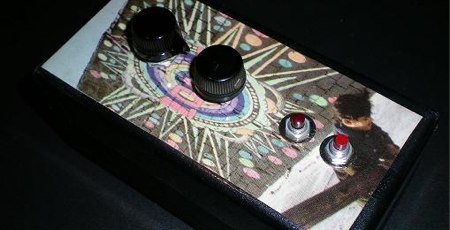
GetLoFi has always been one of our first stops when looking for circuit bending fun. Their latest project is building this simple dub siren from a noise making key chain. Dub sirens or rasta boxes are a signature sound in dub reggae. The base of this project is an eight sound keychain. Each pad is wired to an eight position selector switch. The pitch resistor is replaced with a linear pot. One push button is used to replace the original eight and another is used for mute. Plug the 1/4inch jack into a delay pedal and you’re ready to rock. Check out the video below to see this particular box in use.
Peripherals Hacks1579 Articles
Make A Universal Macbook Air Superdrive
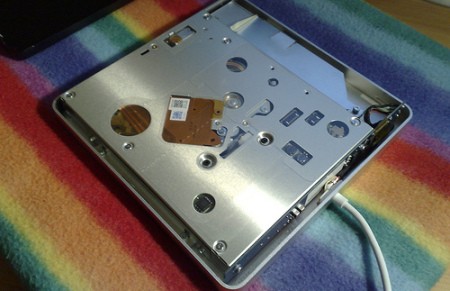
For $99, Apple will happily sell you a slick USB superdrive (aka DVD burner) that only works with the MacBook Air. [tnkgrl] swapped out the USB-IDE interface with a generic $9 unit to make it work with everything else. The generic board required a few mods: relocating the crystal oscillator along with the amputation of its daughter-board that carried an external power connector, usb connector and some caps.
Always On USB Charge Port
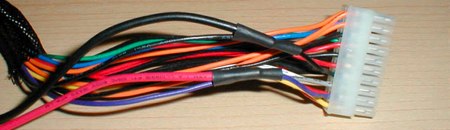
This simple and clever guide to installing an always on USB port comes from the Team Hack-a-Day forums (originally created for the team’s Folding@home efforts). [Cerberus] added a USB port to his computer case that always has power, even when the computer is off. The power comes from the +5VDC standby line in the motherboard connector. You can use this new port to charge any USB based device.
Add A Second Internal Hard Drive To Your Laptop
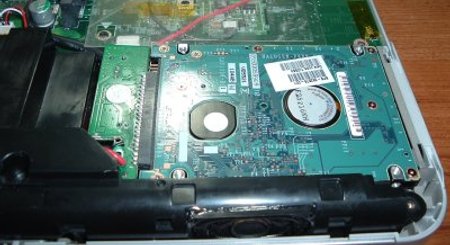
[Andrew] sent in something we’ve been considering for our 17 inch Dell. He squeezed a 100GB PATA notebook drive into the spare space in his Compaq laptop. He used a USB interface to provide the connection and added a toggle switch to conserve power when he doesn’t need the drive spun up. The mod would be even nicer if you added a keyboard activation switch like [sprite_tm]’s keyboard light.
X2Wii, NES/SNES/N64 To Wii Adapter
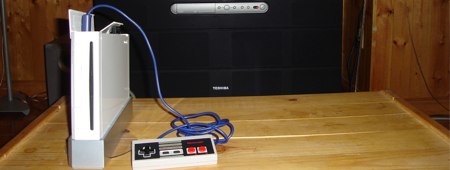
If you poke around [Raphaël]’s site, the creator of today’s featured hack, you’ll find a lot of interesting projects. X2Wii is an ongoing project to adapt controllers from earlier console generations so they work with the Wii’s GameCube ports. He adapted his Multiuse tiny1 which uses an ATmega8. The code is all assembly so the microcontroller can keep up with the protocol. Definitely check out [Raphaël]’s other project pages.
Universal Joystick USB Interface
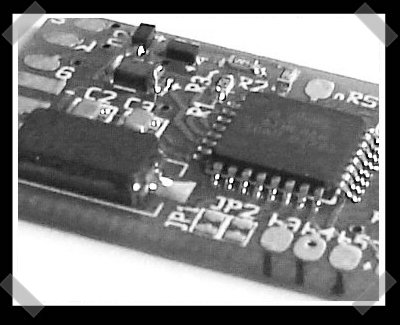
Building on his USB NES pad interface, [Raphaël] released a universal USB joystick interface. It presents a HID device with four directional buttons and eight general purpose buttons. The board uses an ATmega8 and implements USB entirely in software.
UPCB Makes Your Arcade Stick Universal
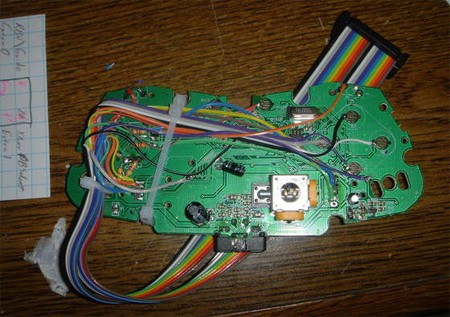
The Universal PCB project lets you make any controller (specifically arcade sticks) console agnostic. A PIC microcontroller is used to translate between the button presses and the signals for the specific console you’re connected to. It uses a DB15 for the external plug. The PIC knows which console you’re plugged into based on which pins are high or low in your console specific adapter cable. The board includes a piggyback plug so you can plug in an Xbox360 controller board (like the one above) since the console requires authentication. The PIC’s firmware is conveniently upgradeable over the USB cable.









