Radar Gun Teardown

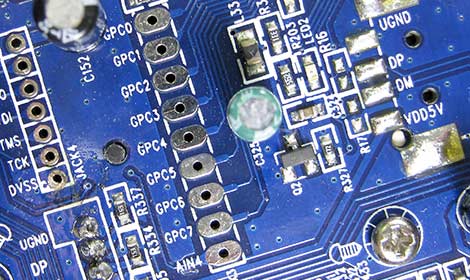
[Jeri Ellsworth] is at it again, this time she takes apart a hot wheels speed gun and in the process she does a good job of  explaining how radar can be used to measure speed.  She also demonstrates a way to determine if an object is approaching or receding from the radar gun.

The Doppler shift is one way to remotely measure the speed of an object. It works by measuring the change in frequency of a wave after it strikes an object. Rather than measuring the Doppler shift of the returning wave most radar guns use the phase shift. The reason is that the frequency shift of a relativly slow object (60mph), to a relitivly high frequency signal(10GHz) is small (about 0.893Hz), where the phase shift varies based on the distance of the object.  This is all just a stepping stone in her quest to build a crude TSA body scanner.
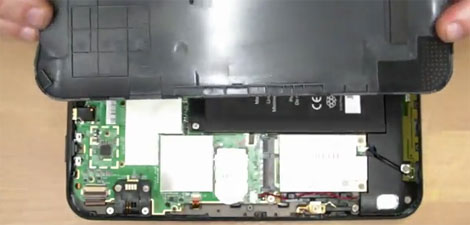
EEVblog Dissects A Kindle 3

guts!

[Dave] over at the EEVblog did a review of the kindle 3 recently, but never got to the good stuff, the guts.  He is now rectifying this with a full video dissection of the eReader. Full of details on how to open it up as well as specifics on the internals, this is a fun video to watch. One thing that caught our attention was the RFID tag on the inside of the case.  It is probably for inventory tracking, but we can’t help but have a few tinfoil hat type thoughts. You can watch the video after the break.

Continue reading “EEVblog Dissects A Kindle 3” →

Spy Video TRAKR: The Teardown

Last Friday we looked at Wild Planet’s Spy Video TRAKR programmable RC vehicle mostly from an end user perspective. Much of our weekend was spent dismantling and photographing the device’s internal works, and poring over code and documentation, in order to better gauge the TRAKR’s true hackability. Our prior review included some erroneous speculation…we can clarify a number of details now, and forge ahead with entirely new erroneous speculation!

Continue reading “Spy Video TRAKR: The Teardown” →

IPhone 4 Teardown

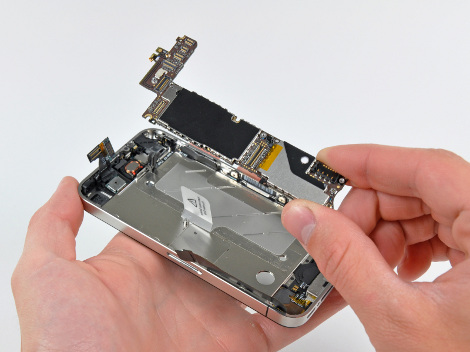
iFixit traveled all the way to Japan to bring you this iPhone 4 teardown, only to be shipped the device unexpectedly two days early!

We were surprised that the A4 processor (its naked body displayed for the world this past April) contained within the iPhone 4 had 512MB of ram, compared to the 256MB of the iPad. Other features include the 1420mAh battery (201mAh more than the 3Gs), 5MP rear camera and front VGA camera, and the use of micro-sim.

Frankly, we don’t see ourselves getting the device immediately, but how excited are you for the iPhone 4?

When Multimeters Go Boom

[youtube=http://www.youtube.com/watch?v=M-FZP1U2dkM]

Ever wondered how expensive versus cheap multimeters hold up to abuse? [Dave] gives us a pretty good idea by, well, blowing them up. He’s using a capacitor bank to put roughly 4.2 KiloVolts into the poor little meters. If you absolutely must skip to the multimeters, go to about 5:00. You really will miss out on some good stuff though.

[via HackedGadgets]

Peering In A The A4, The IPad’s Brain

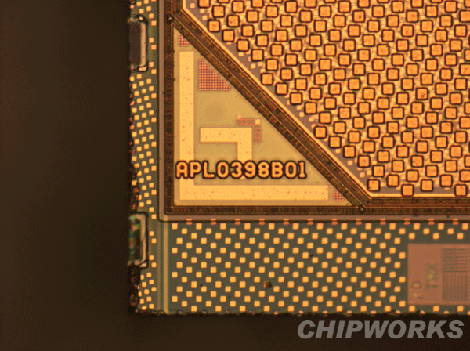
Sure, tearing down devices to see what components are in there is fun. But tearing down the components themselves is even more fun. iFixit sent off their iPad guts to be laid bare after they were done with their iPad teardown. We’ve seen pictures of stripped chips in the past, but the work that Chipworks is doing for iFixit is quite amazing. Get the skinny on just about every part in there from the package markings and the die photos provided in their analysis.

The iPad has already been rooted, but you never know what power can be unlocked if you know what you’re working with. We’re thinking of the 50MHz to 100Mhz oscilloscope hack.

IPad Teardown

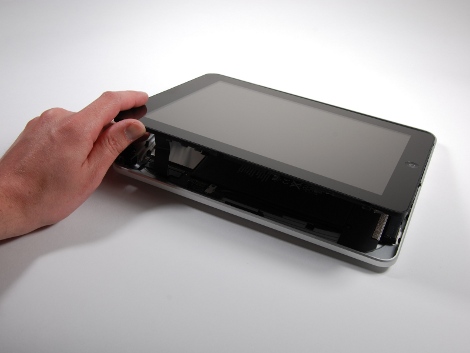
Its been quite a while since we’ve featured something from iFixit. But when we saw they had torn apart the next greatest Apple product, the iPad – released today, and how everyone on our team loves it, we thought why not also let our user base enjoy the destruction informative teardown as well.

In both the original and the FCC teardown, we see some awesome features and tricks Apple implemented. Most notably the two separate 3.75V lithium polymer cells, not soldered to the motherboard, allowing users to easily replace the battery if need be. However, in the opposite respect, more components than ever are being epoxied to the board, making the iPad much more rugged.

We’re left wondering, with everyone able to see the beautiful insides, does it change anyone’s mind on getting an iPad? Or would you rather make your own?