DIY, Full-Stack Farm Automation

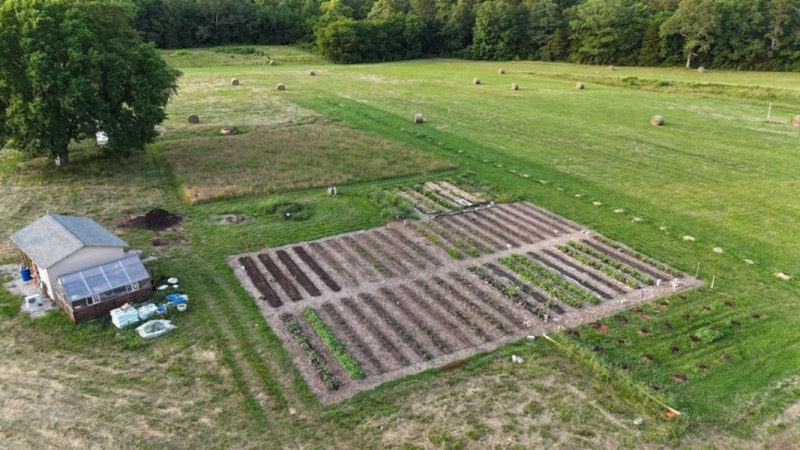
Recently, [Vinnie] aka [vinthewrench] moved from Oregon to Arkansas to start a farmstead. This is a style of farming that focuses not just on a profitable farm where produce is sold at market, but also on a homestead where much of one’s own food is grown on the farm as well. Like any farm, though, it’s extremely hard work that takes a tremendous amount of time. Automation and other technology can make a huge impact in these situations, and [Vinnie] is rolling out his own software stack to help with this on his farm.

He calls his project the Pi Internet of Things, or PioT, and as its name suggests is based around the Raspberry Pi. Since this will all be outdoors and exposed to the extremes of Arkansas weather, everything built under the auspices of this project prioritizes ruggedness, stability, and long-term support, all while avoiding any cloud service. The system also focuses on being able to ride through power outages. The server side, called piotserver, uses a REST API to give the user access to the automation systems through a web interface

[Vinnie] also goes into detail about why existing systems like Home Assistant and Open Sprinkler wouldn’t work in his situation, and why a ground-up solution like this is more appropriate for his farm. This post is largely an overview of his system, but some of his other posts go into more detail about things like integrating temperature sensors, rainfall monitoring, controlling irrigation systems, and plenty of other farm automation tasks that are useful for any farmer or gardener.

We’ve also seen some other projects of his here like this project which converts a common AC sprinkler system to an easier-to-use DC system, and a DIY weather station that operates in the 915 MHz band. He’s been a great resource for anyone looking to have technology help them out with their farm or garden, but if you’re just getting started on your green thumb be sure to take a look at this starter guide as well.

Electric Dump Truck Tricycle Is No Toy

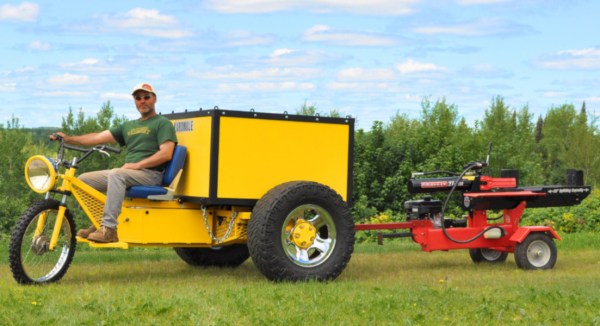
There are some utility bicycles on the market, some with electric motors to help carry a good bit of cargo. If you really need to haul more weight than a typical grocery-getter like this, you’ll want to look into a tricycle for higher capacity loads. Nothing you’ll find will match this monstrous electric tricycle hand-built by [AtomicZombie] out of junkyard parts, though. It’s a mule.

Since [AtomicZombie] sourced most of the underpinnings of this build from the junkyard, it’s based on an old motorcycle frame combined with the differential from a pickup truck, with a self-welded frame. He’s using an electric motor and a fleet of lead acid batteries for the build (since weight is no concern) and is using a gear reduction large enough to allow him to haul logs and dirt with ease (and dump them with the built in dump-truck bed), and even pull tree stumps from the ground, all without taxing the motor.

[AtomicZombie] documented every step of the build along the way, and it’s worth checking out. He uses it as a farm tractor on his homestead, and it is even equipped with a tow hitch to move various pieces of equipment around. Unlike a similar three-wheeled electric contraption from a while back, though, this one almost certainly isn’t street legal, but it’s still a blast!

Continue reading “Electric Dump Truck Tricycle Is No Toy”

IoT For Agriculture Hack Chat With Akiba

Join us Wednesday at 5:00 PM Pacific time for the IoT and Agriculture Hack Chat with Akiba!

Note the different time than our usual Hack Chat slot! Akiba willi be joining us from Japan.

No matter what your feelings are about the current state of the world, you can’t escape the fact that 7.7 billion humans need to be fed every day. That means a lot of crops to grow and harvest and a lot of animals to take care of and bring to market. And like anything else, technology can make that job easier and more productive.

join-hack-chatTo test concepts at the interface between technology and agriculture, Akiba has developed HackerFarm, a combination of homestead, hackerspace, and small farm in Japan. It’s a place where hackers with agriculture-related projects can come to test ideas and collaborate with other people trying to solve the problems of a hungry world by experimenting on an approachable scale with open-source technology.

Our Hack Chats are live community events in the Hackaday.io Hack Chat group messaging. This week we’ll be sitting down on Wednesday, May 15 at 5:00 PM Pacific time. If time zones have got you down, we have a handy time zone converter.

Click that speech bubble to the right, and you’ll be taken directly to the Hack Chat group on Hackaday.io. You don’t have to wait until Wednesday; join whenever you want and you can see what the community is talking about.

Southwest Tour: [Mikey Sklar’s] Homestead

While on our southwest tour, we were sure to make some time to go visit [Mikey Sklar]. He’s been a friend of hackaday for a long time, both as a writer and as someone who sends us cool projects. As you may have noticed from some of the posts we’ve done on his projects, [Mikey] lives in the middle of the desert and is attempting to lead a fairly self sustaining life style. He and [Wendy] showed us their gardens, the hot spring on their property,and some cool building materials they’ve utilized. We got to tour [Mikey’s] workshop and check out how his solar system was set up. It was pretty cool seeing “da Pimp” being used to revive old batteries. [Mikey] even mentioned that he’s building in a lot of safeguards in the next revision based on the feedback he got online.

What I really enjoyed about talking with [Mikey] and [Wendy] was that they didn’t act like they had it all figured out. They’re approaching this whole lifestyle as a learning adventure as you can hear when [Mikey] talks about their bees.