MBTA Drops Lawsuit Against MIT Subway Hackers

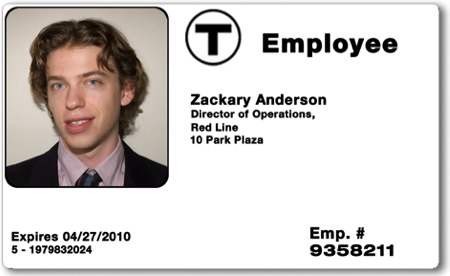
The Massachusetts Bay Transit Authority (MBTA) has dropped its federal case against three MIT researchers, “the subway hackers”. This happened in October and now the EFF brings news that the students will be working with the MBTA to improve their system. The overall goal is to raise security while keeping expenses minimal.

This whole mess started in August when a gag order was issued against the students’ presentation at Defcon. It’s a shame no one ever saw it because it covers a lot of interesting ground. A PDF of the banned slides is still online. They performed several attacks against both the subway’s fare system and physical security. Our favorites by far were using GNU Radio to sniff the RFID card’s transaction and bruteforcing Mifare Classic with an FPGA.

Hacked Cell Phone Blood Analyzer

hacked_cell

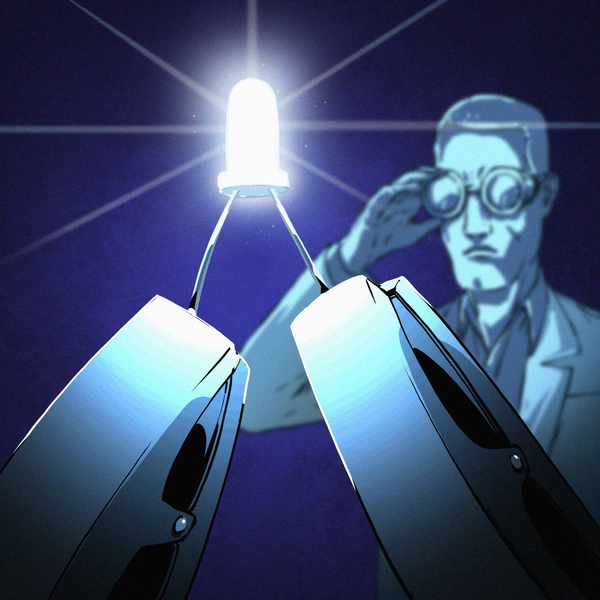
Lensfree Ultrawide-field Cell-monitoring Array platform based on Shadow or LUCAS for short is an amazing new hack by a researcher at UCLA. This quick little hack involving only some wire, a filter, and an LED might revolutionize blood testing. This hacked camera replaces a unit that is usually the size of a refrigerator and very expensive to run. This is a pretty amazing achievement and should serve as inspiration for hackers all everywhere.

[thanks to everyone who sent us this link]

Netbooks, Slow Thanks To Microsoft

microsoft

[nico] pointed out something that didn’t seem to get any air-time during the recent netbook kerfuffle. Part of the original TechCrunch complaint was that netbooks are underpowered. This is a direct result of Microsoft’s Ultra Low Cost PC (ULCPC) licensing program. If manufacturer’s don’t stick to Microsoft’s restrictions, they can’t purchase XP at a discount ($26-32), which is the only way to get XP since they no longer sell it. These rules are why you can’t buy a netbook with more that 1GB of RAM.

[photo: secretlondon123]

NanoTouch, Lucid Touchscreen Navigation

lucidtouch

The fine folks at Mitsubishi Electric Research Labs (MERL) are demoing a new touchscreen system that may make small devices easier to use. An extension of their LucidTouch technology, NanoTouch has a small screen on the front and a touchpad on the back. Their test unit features a 2.4inch screen. The screen displays where the user’s finger is on the back touchpad as if the display was transparent. The user’s finger no longer obscures the screen surface, so it’s much easier to hit small buttons. In testing, researchers showed that targets just 1.8mm across were easy to hit. That’s much smaller than the iPhone’s touchscreen keyboard. Here’s a video demonstrating the new device.

[via Engadget]

UK Raid Seizes 1,800 Flash Cartridges

dscart

South Wales Police raided a store in Cardiff seizing 1,800 Nintendo DS flash carts. The devices can be used for playing pirated games or running homebrew software. In the UK, the carts are illegal under the Trademarks and Copyright Acts. The 21-year-old suspect had imported the devices and was selling them both online and in-store. He had over 1,000 devices in his home. Many of them packed and ready to ship. Official statements by the Entertainment and Leisure Publishers Association claim that the hardware irreparably damages the DS handhelds.

[via Joystiq]