The GIFAR Image Vulnerability


Researchers at NGS Software have come up with a method to embed malicious code into a picture. When viewed, the picture could send the attacker the credentials of the viewer. Social sites like Facebook and Myspace are particularly at risk, but the researchers say that any site which includes log ins and user uploaded pictures could be vulnerable. This even includes some bank sites.

The attack is simply a mashup of a GIF picture and a JAR (Java applet). The malicious JAR is compiled and then combined with information from a GIF. The GIF part fools the browser into opening it as a picture and trusting the content. The reality is, the Java VM recognizes the JAR part and automatically runs it.

The researchers claim that there are multiple ways to deal with this vulnerability. Sun could restrict their Virtual Machine or web applications could continually check and filter these hybrid files, but they say it really needs to be addressed as an issue of browser security. They think that it is not only pictures at risk, but nearly all browser content.
More details on how to create these GIFARs will be presented at this week’s Black Hat conference in Las Vegas.

Make: Television

Make Magazine, famous for the Maker Faire, among other things, has announced a new project called Make: television. The show will be coming to public television stations throughout the USA starting early 2009. The big news is that you can submit 2 minute long videos of your projects to be included in the show’s Maker Channel segment. The bigger news is that if your video is selected, they’ll send you a $50 gift certificate from the Maker Shed and a free year of Make Magazine.

Getting Around The Great Firewall Of China

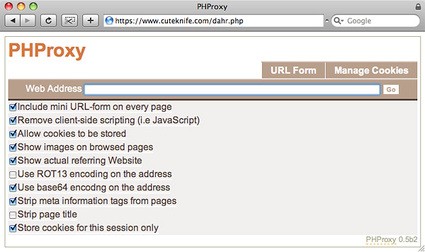
[Zach Honig] is a photographer in Beijing covering the Olympics. In light of recent allegations of the Chinese government installing monitoring software and hardware in foreign-owned hotels, the necessity of protecting one’s information has become vital and urgent, especially for journalists and photographers. [Honig] provides some suggestions for circumventing the infamous Great Firewall of China; surfing the internet through a secure VPN connection and using a proxy such as PHProxy will allow users to visit websites that have been banned within China. Such simple tricks could mean the difference between not being able to find necessary information, and the ability to surf the internet freely and openly.

[via Digg]

More Defcon 16 Events Announced


Defcon keeps announcing more and more interesting events for next week’s conference. A free workshop is planned for the soon to be released DAVIX live CD. DAVIX is a collection of tools for data analysis and visualization. They’ll be running through a few example packet dumps to demonstrate how the tools can help you make sense of it all. [Thomas Wilhelm] will be driving out from Colorado Springs in his Mobile Hacker Space. He’s giving a talk Sunday, but will be giving presentations a few hours every day at the van. Some researchers from NIST will be setting up a four node quantum network and demonstrating some of the possible vulnerabilities in the system. Finally, as part of an EFF fundraiser, Defcon will feature a Firearms Training Simulator. Conference attendees will participate in drills designed to improve their speed, accuracy, and decision making skills.

Iphone-dev Team Progress Update


The iphone-dev team hasn’t been resting on their laurels since releasing the iPhone Pwnage Tool 2.0 nearly two weeks ago and decided to update everyone on their progress. Despite the iPhone 2.0 jailbreak, there still isn’t a way to unlock a 3G phone. They’ve managed to do other things like downgrade a 3G to an older baseband firmware, which demonstrates their ability to bypass security checks and run unsigned code on the baseband. A nice side effect of all the downgrade work is that they’ve perfected the percautions they take to prevent bricking. The team has been following threads about using SIM proxy devices for unlocks as well, but concluded that the devices are a kludge at best and reliability can vary wildly depending on the phone’s location. They also pointed out the fine work that RiP Dev has been doing on Installer 4 which will help you install software that isn’t from the AppStore.

Exposing Poorly Redacted PDFs


Privacy watchdog group, National Legal and Policy Center has released a PDF detailing Google founder Larry Page’s home (dowload PDF here). They used Google’s Maps and Street View to assemble all of the information. Google is currently involved in a lawsuit resulting from a Street View vehicle traveling and documenting a private road. This PDF was released in response to Google stating that “complete privacy does not exist”.

For some reason the PDF is redacted with black boxes. We threw together a simple screencast (click through for HiDef) to show how to easily bypass the boxes using free tools. You can simply cut and paste the hidden text and images can be copied as well-no need to break out Illustrator. This sort of redaction may seem trivial, but the US military has fallen victim to it in the past.

New Features On Wikiwatcher


Wikiwatcher has just officially released their new tools. We covered their announcement at The Last HOPE just last month. The 2.0 version of Wikiscanner is not ready just yet.

Poor Man’s Checkuser exposes the IPs of quite a few user accounts. There is a wealth of data here which can be used as a base for your own tools. Potential Sockpuppetry is a good example of using this data; it shows what IPs are associated with multiple accounts and could be run by the same person. It takes data from the Poor Man’s Checkuser and arranges it by organization and IP range. Beaver Scope keeps an eye on edits coming out of all specific locations on MIT campus. The author used this list of MIT IPs to monitor MIT’s activity during the Caltech-MIT pranking season. It is able to pinpoint exactly which building an article is being edited from. The team hopes to see people develop new tools from the Poor Man’s Checkuser data.