USB VU-meter

[youtube http://www.youtube.com/watch?v=jsg24MGNpRc&feature=player_embedded%5D

WaitingForFriday’s [Simon Inns] is quite possibly the USB interface and PIC master. This week he let us know about his VU-meter repurposed as a computer performance monitor using a PIC18F2550 and his open source USB Generic HID communication class. With PWM the meter’s needles and RGB LED can be accurately set and even dampened for CPU usage, network usage, HDD utilization, and even memory usage. Oddly enough, in his software we didn’t find the ability to use the device as a VU-meter – go figure.
Racing Sim With Real Car Parts

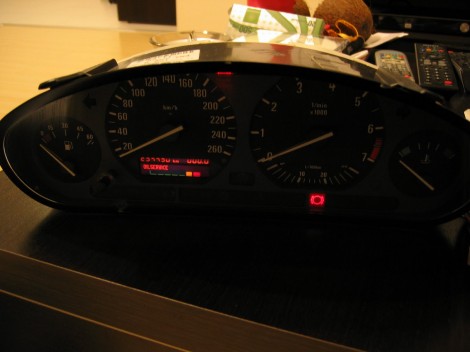
[Alex Rosiu] picked up this instrument cluster from a 1992 BMW. After some trial and error he’s hooked it up for use with a racing simulator. You can see how amazingly well it works in the video after the break. An Arduino Mega takes incoming data from the PC and actuates the appropriate indicators on the module. [Alex] didn’t stop there. He got his hands on a full dashboard and is working on fitting a joystick in as an H shifter. Keep an eye on this one, we think it may one day become a full-blown motion simulator.

Continue reading “Racing Sim With Real Car Parts”

Zune Gets Hacked, OpenZDK

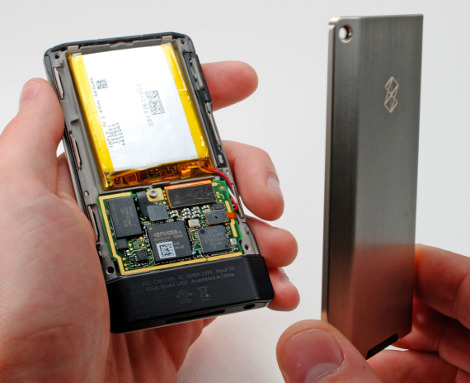
Here is one that really got some of us at the HAD offices excited (yes, we own Zunes). The introduction of the Open Zune Development Kit (Internet Archive). Sure, there was XNA, and we even toyed around with it. But anyone will quickly realize just how limited XNA is, especially with older hardware.

OpenZDK is in its infancy, with only one application thus far (don’t worry, you can still use XNA apps too). But we wanted to give it a shout out and let the hacker community make this potential into a reality.

[Thanks Galen]

PWM Fan Controller For External Hard Drive

[Alan] noticed that his external hard drive was getting quite hot to the touch after a few hours. He says that it was probably designed to handle the heat sufficiently, he thought it would be fun to beef it up. He’s using a pic 12f675 microcontroller as the brain and an LM35 temperature sensor. The Fan speed is varried in 8 steps from 35 degrees C to 45 degrees C.

SNES Controller + USB + Accelerometer

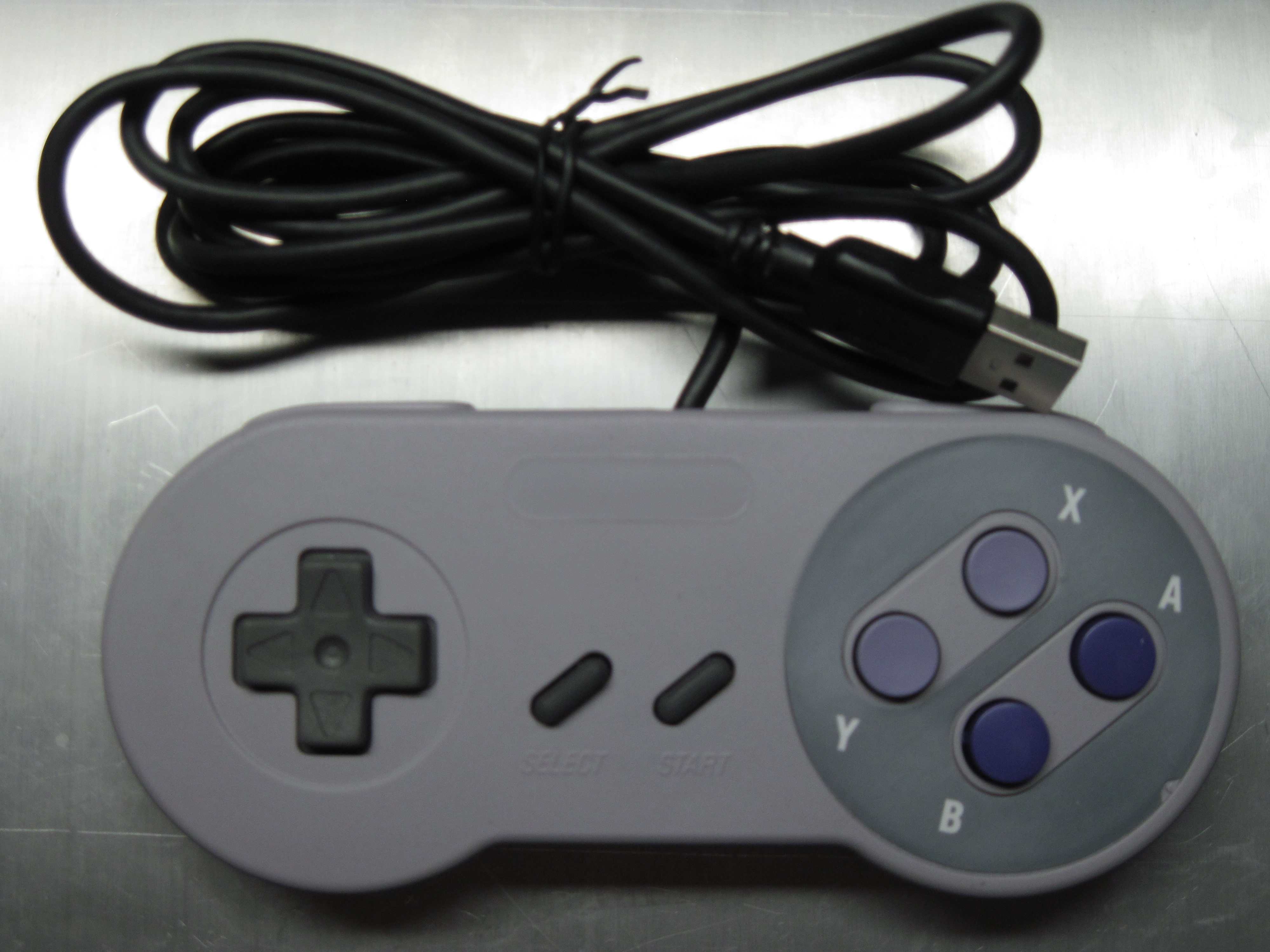
As we posted about [Atarity]’s XBMC hiding in an SNES controller, we were finishing work on a tutorial for [Adafruit]. The tutorial combines a Teensy USB development board with a 3D accelerometer inside of an SNES controller. The Teensy is programmed to poll the SNES controller buttons and read the accelerometer values. The buttons are set to keystrokes and mouse buttons, and the accelerometer values are processed into mouse movement. Programmed to play Portal, we created a video showing how to use the device. You can see it after the break.

It was not quite as easy or quick as the typical PC gamer left hand: WASD, right hand: mouse stance. However, we can think of a number of other games that could be improved with the use of a device that, with a bit of hacking, could time keystrokes as the user needed. With a bit more hacking, the device could be made to brute-force passwords. What else would you do with this?

Continue reading “SNES Controller + USB + Accelerometer”

IPad Teardown

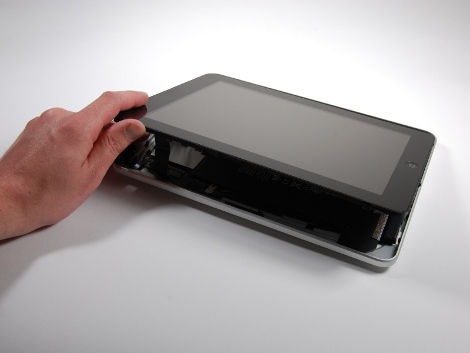
Its been quite a while since we’ve featured something from iFixit. But when we saw they had torn apart the next greatest Apple product, the iPadreleased today, and how everyone on our team loves it, we thought why not also let our user base enjoy the destruction informative teardown as well.

In both the original and the FCC teardown, we see some awesome features and tricks Apple implemented. Most notably the two separate 3.75V lithium polymer cells, not soldered to the motherboard, allowing users to easily replace the battery if need be. However, in the opposite respect, more components than ever are being epoxied to the board, making the iPad much more rugged.

We’re left wondering, with everyone able to see the beautiful insides, does it change anyone’s mind on getting an iPad? Or would you rather make your own?

What Input Device? Just Use Your Arm

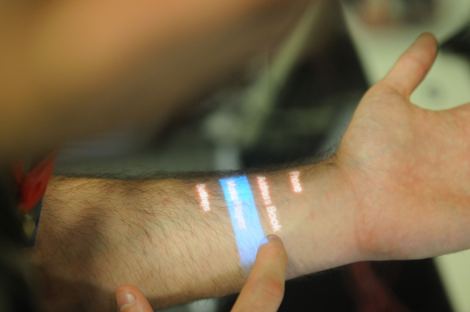
This one could be a game changer. [Chris Harrison] and a team of researchers are showing off a method of using your arm as an input device. An arm band worn by the user picks up acoustic signatures created by tapping on your arm with the other hand, or taping your fingers and thumb together on the same hand. They’re achieving accuracies in the 82-97% range but it gets even better. Take a look at the video after the break and see what they’ve done by adding a pico-projector to the arm band in order to use your arm or hand as a touch display.

We liked seeing the concept mice from October, but the future of input devices might already be attached at the elbow.

Continue reading “What Input Device? Just Use Your Arm”