The field of space vehicle design is obsessed with efficiency by necessity. The cost to do anything in space is astronomical, and also heavily tied to launch weight. Thus, any technology or technique that can bring those figures down is prime for exploitation.
In recent years, mercury thrusters promised to be one such technology. The only catch was the potentially-ruinous environmental cost. Today, we’ll look at the benefits of mercury thrusters, and how they came to be outlawed in short order.
There are plenty of stories floating around about the war in Ukraine, and it can be difficult to sort out which ones are fact-based, and which are fabrications. Stories about the technology of the war seem to be a little easier to judge, and so stories about an inside look at a purported Russian drone reveal a lot of interesting technical details. The fixed-wing UAV, reported to be a Russian-made “Orlan,” looks quite the worse for wear as it’s given a good teardown by someone wearing Ukraine military fatigues. In fact, it looks downright homemade, with a fuel tank made from what looks like an old water bottle, liberal use of duct tape to hold things together, and plenty of hot glue sprinkled around — field-expedient repairs, perhaps? The big find, though, is that the surveillance drone carried a rather commonplace — and cheap — Canon EOS Rebel camera. What’s more, the camera is nestled into a 3D printed cradle, strapped in with some hook-and-loop tape, and its controls are staked in place with globs of glue. It’s an interesting collection of hardware for a vehicle said to cost the Russian military something like $100,000 to field. The video below shows a teardown of a different Orlan with similar results, plus a lot of dunking on the Russians by a cheery bunch of Ukrainians.
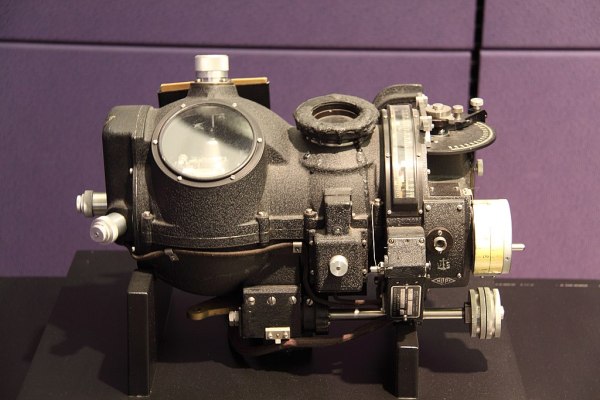
Depending on who you ask, the Norden bombsight was either the highest of high tech during World War II, or an overhyped failure that provided jobs and money for government contractors. Either way, it was super top secret in its day. It was also expensive. They cost about $25,000 each and the whole program came in at well over a billion dollars. The security was over the top. When not flying, the bombsight was removed from the plane and locked in a vault. There was a pyro device that would self-destruct the unit if it were in danger of being captured. So why did one of the most famous missions of World War II fly with the Norden replaced by 20 cents worth of machined metal? Good question.
You often hear the expression “less is more” and, in this case, it is an accurate idea. I frequently say, though, that “just enough is more.” In this case, though, less was actually just enough. There were three reasons that one famous mission in the Pacific theater didn’t fly the Norden. It all had to do with morale, technology, and secrecy.
That energy storage is a hot topic is hardly a surprise to anyone these days. Even so, energy storage can take a lot of different forms, some of which are more relevant to the utility provider (like grid-level storage), while others are relevant to business and home owners (e.g. whole-house storage), and yet other technologies live in this tense zone between utility and personal interest, such as (electric) vehicle-to-grid.
For utilities a lot of noise is being made about shiny new technologies, such as hydrogen-based storage, while home- and business owners are pondering on the benefits of relying solely on the utility’s generosity with feed-in tariffs, versus charging a big battery from the solar panels on the roof and using the produced power themselves. Ultimately the questions here are which technologies will indeed live up to their promises, and which a home owner may want to invest in.
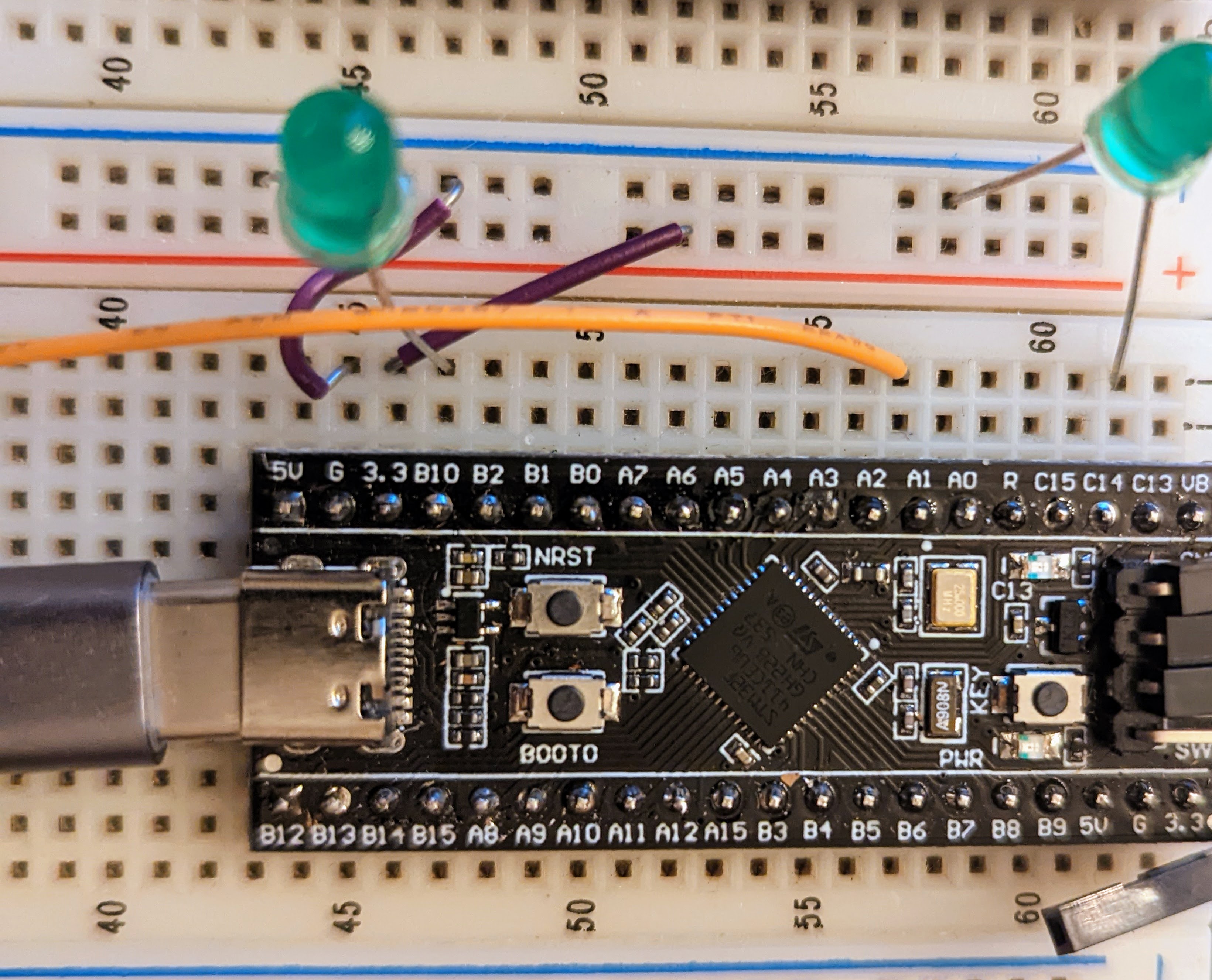
We see tons of projects with the infamous “Blue Pill” STM32 boards. They are cheap and plentiful and have a lot of great features, or at least they were before the chip shortage. I recently picked up a “Black Pill”, which is very similar but has an even more powerful processor. For a few bucks, you get an ARM CPU that can run at 100 MHz (but with USB, probably 96 MHz). There’s 512 kB of flash and 128 kB of RAM. There’s a USB type C port, and even a button and an LED onboard. The thing fits on a breadboard and you can program it with a cheap STLink dongle which costs about $10.
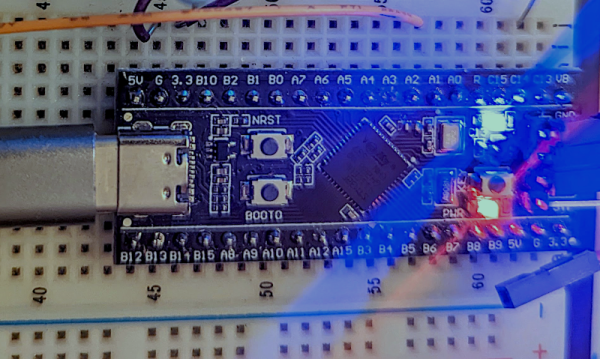
The Black Pill module on a breadboard.
Of course, you then have to consider the software. The STM32Cube stuff is a lot to set up and learn but it does let you do just about anything you can imagine. Then there is the STM32Duino plug-in that lets you use it as a beefy Arduino. That works and is easy enough to set up. However, there’s also Mbed. The only problem is that Mbed doesn’t work right out of the box. Turns out, though, it isn’t that hard to set up. I’ll show you how easy it is to get things going and, next time, I’ll show you a practical example of a USB peripheral that uses the mBed RTOS features.
First Steps
Obviously, you are going to need a Black Pill. There are at least two choices but for as cheap as they are there is little reason not to get the STM32F411 version that has more memory. The DIP form factor will fit in whatever breadboard you happen to have and a USB C cable will power the board so unless you are driving a lot of external circuitry, you probably don’t need an external supply.
It’s difficult to escape the topic of energy supply at the moment, with the geopolitical situation surrounding the invasion of Ukraine leaving the natural gas supply to an entire continent in jeopardy. Fortunately we’re watching the green shoots of an early spring here in the Northern hemisphere so the worst of the winter weather is behind us, but industrial customers can take no such solace from the season and will have to weather whatever price hikes are to come. Every alternative idea for energy supply is on the table, and with the parallel imperative of decarbonising the economy this goes beyond the short term into a future without so much need to rely on gas.
The Future is Cloudy
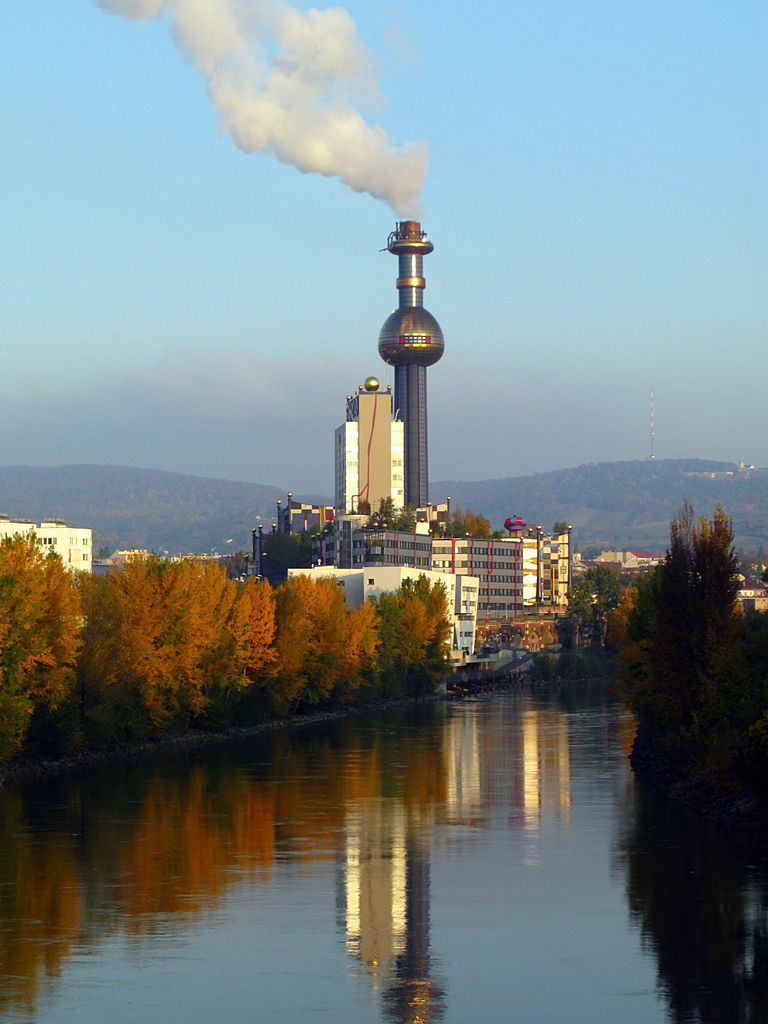
A district heating plant in Vienna, Austria. Joadl, CC BY-SA 3.0 AT
A collaboration between a Finnish district heating network and Microsoft caught our eye because the location of a new data centre for the tech giant was chosen specifically to supply waste heat to the network, rather than releasing it to the environment. It’s not uncommon at all for European cities to use district heating networks but they are normally supplied by waste incinerators, boilers, or combined heat and power stations. The use of data centre waste heat is a novelty, as is in particular the siting of the data centre being dictated by the network. Continue reading “Ask Hackaday: Is It Time For Waste Heat And Cold Area Heating To Shine?”→
Identifying new species is key to the work of zoologists around the world. It’s an exciting part of research into the natural world, and being the first to discover a new species often grants a scientists naming rights that can create a legacy of one’s work that lasts long into the future.
Traditionally, the work of taxonomy involved capturing and preserving an example of the new species. This is such that it could be classified properly and studied in detail by scientists working now and in the future. However, times are changing, and scientists are beginning to identify new species on the basis of videos and photos instead.