Pandora Dev Unit Unboxed

pandora

[skeezix] has got his hands on one of the first Pandora dev kits to make it out the door and took a few photos. This is 1 of the 20 MK2 devboards that were produced. Although, not final it certainly is close to the version they’ll be shipping. Pandora is a Linux based portable game console. The main chip in the clamshell device is a TI OMAP3530. It has OpenGL hardware acceleration and an 800×480 touchscreen. A QWERTY keyboard is included along with analog and digital game controls. WiFi, bluetooth, USB host, TV-out, and dual SDHC card slots round out the package. The team has already presold 4000 devices.

Ubuntu 9.04 Jaunty Jackalope First Alpha Released

ubuntu

The target release date may be over five months out, but the Ubuntu team is already pushing the first alphas of Jaunty Jackalope out the door. The new release is not for the weak and is intended solely for people who want to vet bugs and contribute to the project. The release is designed to bring Ubuntu back in line with Debian. One of the areas they’re working on is the ARM port (we saw the Debian version on the G1).

[photo: Kordite]

[via Download Squad]

Nintendo DSi Teardown

dsi_teardown

[bunnie] managed to pick up a Nintendo DSi while in Japan. It seems he had the device running less than an hour before he tore it down for an impromptu hotel photoshoot. There’s nothing too surprising and he mentions that the CPU certainly feels more capable than the previous model, which may explain the shorter battery life. The ARM processor sits under an RF shield directly below the WiFi card. The best photo is the top side of the board with every single debug point labeled in plain English on the silkscreen. We’re sure that’ll help with the development of new homebrew hardware.

[bunnie] has posted some interesting teardowns in the past. Have a look at his Sony XEL-1 teardown to see the inner workings of an OLED TV.

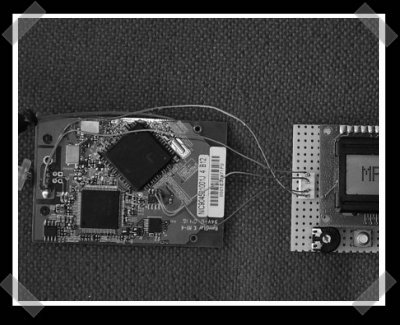
Wireless Card = ARM Development Platform


[Archantos] sent us this one. The mustumbler project is actually trying to use some external hardware to make a miniature wireless stumbler. [Archantos] points out that it’s could be a cheap way to get your hands on an ARM development platform. He’s right. Just a few connections gets access to the I2C bus, a GPIO expander for I2C runs the LCD and an EEPROM is there for program storage. The software is still being sorted out, but the hardware itself is functional. If they can manage to reverse engineer the Conexant chipset, they should have a very promising platform.