USB Wall Charger


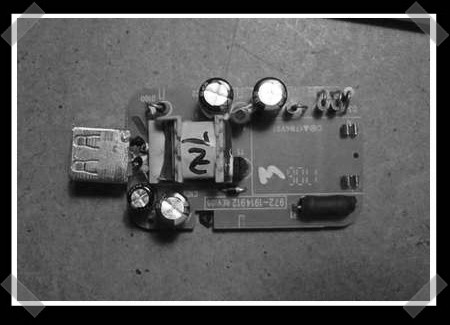
[rbhays] did this sweet little hack back in 2006. He took a Motorola cellphone wall charger and modified it into a USB wall charger. He needed to charge his iPod, but misplaced the original charger. A replacement would have cost him $30. So he did what any respectable hacker would do, he cut up something else to make it work for him.

He had one sitting around that was equipped with a mini USB end. He checked it out and it was the perfect voltage. Some commenters below the project noted that their motorola charger had a higher voltage rating than his. Those would still work, but would require some extra steps to bring the voltage down.

After some careful soldering, and a bit of super glue, he’s left with a perfectly good wall charger. He can charge most things that only use the juice from the wall. Some things refuse to charge though, such as Zunes. There was another project by [Cvesey] that claims to charge Zunes as well. While wall chargers may be available fairly cheaply now, many of us have some of these cellphone chargers just sitting around. Now we have a use for them.

Teenager Invents Vehicular Antitheft System

We are very inspired by the story of [Morris Mbetsa], an 18-year-old Kenyan who’s invented the “Block & Track”, an antitheft and tracking system for vehicles that’s phone-based. [Mbetsa] has no formal training, but he’s been a lifelong inventor and tinkerer. [Mbetsa] combined voice, DTMF, and SMS text messaging technologies with cellphone based services to allow the owner to control the vehicle’s electrical system remotely. The owner, using his cellphone, can take control of the ignition, and disable it at any time. Other features include the ability to lock the car remotely, and the capability of dialing into the car and listening in on any conversations taking place within the vehicle. [Mbetsa] is currently looking for funding to take his invention to the next level; we’re eager to see what he’ll come up with next.

[via Digg]

OpenMoko Usability Review

[Dave Fayram] has put out two videos covering the interface of the FreeRunner from OpenMoko. For those unfamiliar, we’ve covered it a few times before. It is an opensource mobile platform that includes a full X server. They encourage people to make their own software and even release the CAD files for chassis modification.

He points out some glaring faults and compares it to his iPhone. Some of the major faults he has listed and shown are:

  • Bezel around screen makes input difficult.
  • Extremely slow interface
  • Can’t play mp3s.
  • On screen keyboard is tiny.

It is marketed at around $400 so the comparison to an iPhone seems legitimate. We do need to keep in mind, however, that the FreeRunner is opensource. The more support we show to them, the better it will get. The thought of an opensource handheld platform, comparable to an iPhone is quite enticing. At this point though, the comparison is pretty one sided. Hopefully more software development and support from the community will make this device something to get very excited about.

[via Daring Fireball]

SIM Card Reader


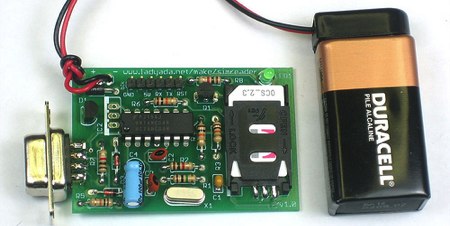
Adafruit Industries just announced their next kit: a SIM card reader. Using the kit, you can read or write any SIM card. You could use this for fun things like recovering deleted contacts and SMS messages. The kit looks like a very straight forward design (based on [Dejan]’s work); the only chip is a hex inverter and the board is powered by a regulated 9V battery. With all through-hole components, it should be easy to assemble. You can talk to it using the board mounted serial port or connect to the extra pin header using an FTDI USB cable just like the Boarduino. The FTDI option is bus powered, so you won’t need the battery. [ladyada] has collected some resources in case you want to learn more about smart cards.

IPhone Dev Team Releases Jailbreak Video

[youtube=http://www.youtube.com/watch?v=R63lKICiWfg&hl=en&fs=1]
The iPhone dev team, notorious for jailbreaking the iPhone has just released a video of the iPhone 3G hacked. Keep up to date with it and watch for a release on their blog. This is a major update to the PwnageTool which is already available for previous versions of the iPhone.

They have added a lot of new features such as: canned web searches, custom installer configuration, and custom root partitions. They promise to release it soon, but state that it will not be this weekend. You can get a the high resolution version of the video from our mirror.

Engadget Goes In Depth With The IPhone 3G


Over at Engadget, they’ve taken some time to completely review the iPhone 3G. Take a few moments to stop reading about all the trouble activating them and read about the phone itself.

In short, they hit the following points:

  • The case feels thinner than it is.
  • The shape of the case makes it wobble on a hard surface.
  • Call quality is greatly improved.
  • Speeds are greatly increased.
  • Battery life is underwhelming.

They seem positive in their conclusion, we’ll have to wait and see how they feel after a little more time with it.

Neo FreeRunner Software Review


A first look from Ars Technica at the newly released Neo FreeRunner phone by OpenMoko reveals some interesting information. There are three different software stacks available to use; the Neo FreeRunner will ship with the GTK-based stack, referred to as om2007.2. It offers conventional smartphone applications, but most importantly, it includes “full root access to a Busybox shell with all of the standard scripting tools like sed and awk”. The ASU stack is what OpenMoko developers are currently working on; there are promises of a more user-friendly experience. The FSO stack, also currently in development, aims to resolve the issues brought up by having different software stacks for the same phone. Since none of the stacks are considered “fully functional”, OpenMoko may have a difficult time attracting a mainstream audience. Hackers may be hampered by the lack of available documentation, although there are resources for OpenMoko enthusiasts, if you just search hard enough. The final conclusion? While OpenMoko may be difficult to use, it compares favorably to competitors such as Google’s Android platform, which is less flexible.