Step By Step Antique Radio Repair And Upgrade

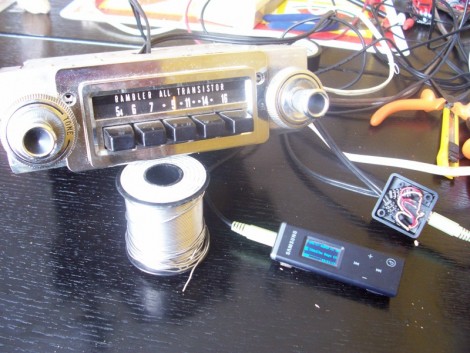
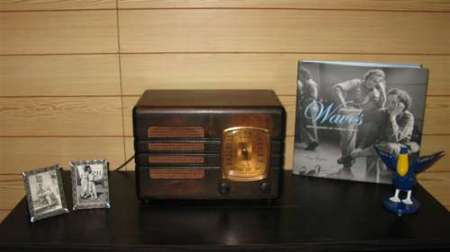
I actually have a 3 very similar radios. I think I need to do this.[M3talhead] takes us through a very informative repair of an old tube radio. In this case, his radio was from the late 30s. He was able to find the original data from Radiomuseum.org. He painstakingly dismantles the radio components and the cabinet. Instead of completely modernizing the internals, he replaces the bad parts and brings it back to functionality. He wanted to do an MP3 upgrade, but rather than wire directly into the radio, he built an AM transmitter for his mp3 player.
Plantenna: The Plant Antenna

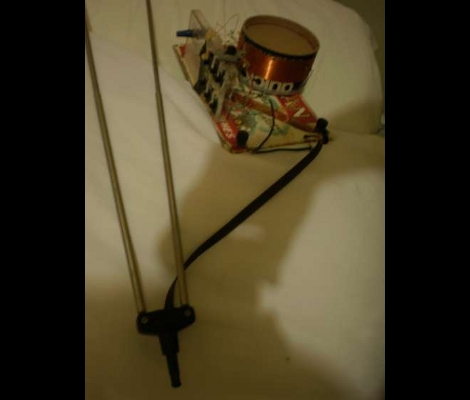
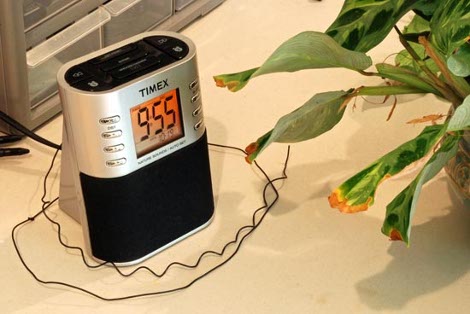
The back story behind [Mike] experimenting with plants as AM radio transmission antennas antennae is rather interesting and worth the short read. But for those who just want the facts, [Mike] took an ATMega324, modified the PWM output into a sinusoidal AM signal (using a simple form of RLC circuitry), and connected the circuit to a plant no plants were harmed in the making of this project. The results? Well we’re not ones who would spoil the surprise, you’ll have to see for yourself in the video after the jump.

Continue reading “Plantenna: The Plant Antenna”

Building A Crystal Oven

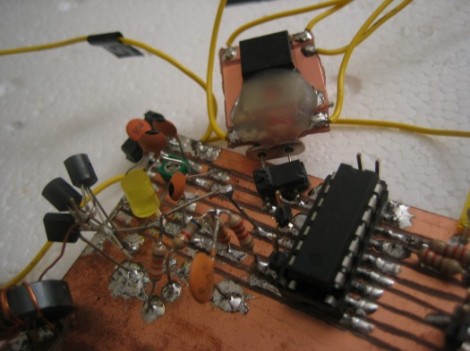
Radio communications depend on stable oscillator frequencies and with that in mind, [Scott Harden] built a module to regulate temperature of a crystal oscillator. The process is outlined in the video after the break but it goes something like this: A small square of double-sided copper-clad board is used as a base. The body of the crystal oscillator is mounted on one side of this base. On the other side there is a mosfet and a thermister. The resistance of the thermister turns the mosfet on and off in an attempt to maintain a steady temperature.

This is the first iteration of [Scott’s] crystal oven. It’s being designed for use outdoors, as his indoor setup uses a styrofoam box to insulate the oscillator from ambient temperatures. He’s already working on a second version, and mentioned the incorporation of a Wheatstone bridge but we’ll have to wait to get more details.

Continue reading “Building A Crystal Oven”

Codec2: GNU Low-bitrate Speech Codec

Low bandwidth speech compression is a desirable concept for amateur radio enthusiasts. Unfortunately there isn’t a great open-source option out there, but that’s changing with the low-bitrate speech compression package called Codec2. It manages to transmit and decode at 2550 bits per second with results comparable to proprietary solutions like MELP and very near the initial goal of 2400 bit/s. [David Rowe], who spearheads the project, has been simulating communications using a Linux box and has posted audio snippets at the first link above for comparison. They’re looking for feedback and testing so if you interested give them a helping hand.

[Thanks Robomo]

Small And Simple FM Radio

[gpsKlaus] built this little FM radio (translated) based on the AR1010 IC. That chip is controlled via I2C by an ATtiny45 microcontroller. His tuning implementation relies on presetting 16 stations in the firmware and selecting them with the white potentiometer.

The FM chip came on a breakout board from SparkFun. Not bad at around $15 as it includes the crystal, some caps and a few resistors, and you don’t have to try and solder to the fine pitched pads on that minuscule package. We’re a little unsure of the features included in the part as the datasheet is lacking in detail and the reference datasheet that SparkFun includes in the description is obviously for a much more full-featured chip. Still, this would be a fun thing to play around with if you’ve grown tired of blinking LEDs.

If you don’t want to let an integrated circuit do all the heavy lifting try this post for a guide on building your own radio tuner.

1953 Radio Includes Tubes, AM, FM, And MP3

This vintage radio can play AM, FM, and MP3, all with a classic sound. Inside you’ll find a new AM radio tube-amp, providing the functionality you’d expect from the device. The rest of it comes from a conglomeration of parts; an FM receiver board from another radio and an MP3 player with remote control and USB connector. The classic sound we mentioned above comes from an AM modulator. That’s right, the auxiliary audio boards aren’t connected directly, but are broadcast on the AM band so that your latest MC Lars album has the same sound quality as the traffic report.

Check out this similar project from last year that adds RDS to a vintage radio.

Adding A Microphone Jack To A HAM Radio Handset

[dajjhman] wrote in to show us how he added a microphone jack to the handset of his Yaesu radio while retaining the DTMF functions. He states that there were some adapters available on the market, but they are non standard and didn’t really fit his needs. The modification itself is pretty simple, especially with his great documentation and clear pictures. For anyone else who might need this setup, this should be a great resource.