
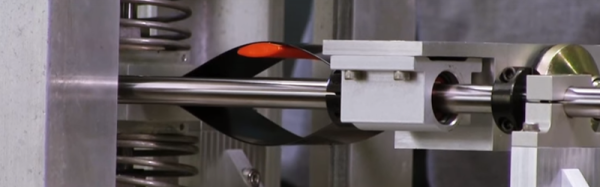
The human body has many miraculous capabilities that we often take for granted. One of the more subtle ones is the variable stiffness of your joints. In technical terms, stiffness refers to the ability to resist a load. Delicately manipulating an artist’s paint brush, for example, doesn’t require much load resistance, but does require fine control. However, that same artist might pick up a bowling ball with a stiffer joint (and, usually, less fine control).
[Christopher Churchill] and some colleagues have a novel mechanical device that can rapidly change stiffness. The device could have applications in robotics and other devices. It can also transmit or attenuate vibration since non-stiff joints don’t pass vibrations as easily as stiff ones.
Continue reading “Variable Stiffness Joints For Robots And More”
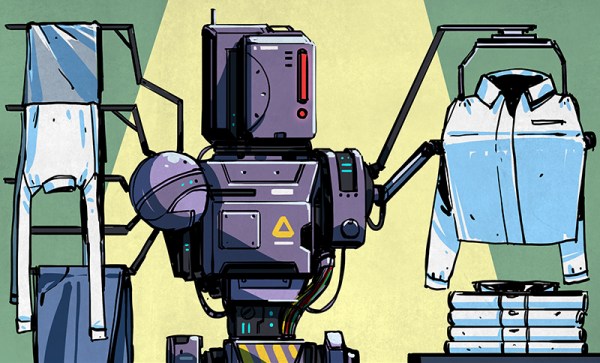
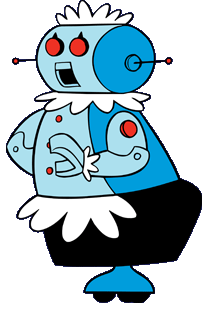 “This is the year of the general purpose home robot!” “2016 is going to be for robots like 1976 was for the home computer!” The problem with statements like those is the fact that we’ve been hearing them since the 1970’s. General purpose home robots still have a long way to go. Sure, we’ve got Roomba, we’ve even got self-driving cars. But we don’t have Rosie from the Jetsons. And while I don’t think we’re going to get to Rosie for a while, there are some simple challenges that can spur development in that direction. One need look no further than one’s own laundry room.
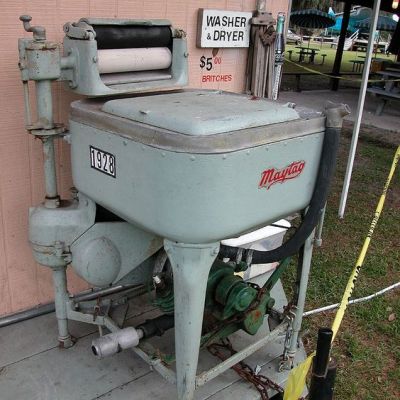 Using machines to wash and dry laundry isn’t a new concept. Washers and dryers have become commonplace enough that we don’t think of them as robots. Hamilton Smith patented the rotary washing machine in 1858. Maytag has had home machines available for nearly 100 years. Many of the early machines were powered by gasoline engines, as electricity wasn’t common in rural farmhouses. Things have improved quite a bit since then! From the dryer we transfer our laundry to a basket, where it has to be folded. It is this final step that cries out for a homemaking automaton to take this chore out of Everyman’s hands.
 Version 1 of [Roger]’s robot is only semi-vermiform and is more of








