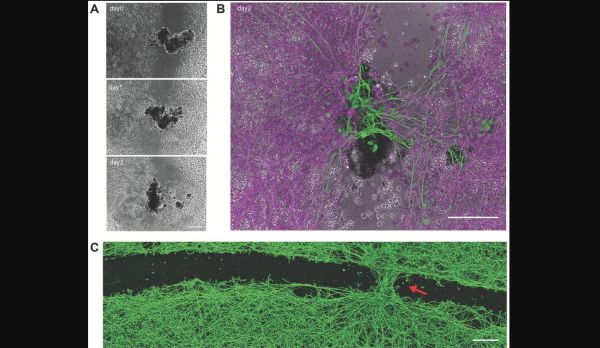
Anthrobots can promote gap closures on scratched live neuronal monolayers. (Credit: Gumuskaya et al., 2023)

Anthrobots: Tiny Robots From Tracheal Epithelium Cells That Can Fix Neural Damage

Although we often regard our own bodies and those of the other multicellular organisms around us as a singular entity, each cell that makes up our body is its own, nano-robot. One long-existing question was whether these cells can be used for other tasks — like biological robots — after they have specialized into a specific tissue type, with a recent study by [Gizem Gumuskaya] and colleagues in Advanced Science (with Nature news coverage) indicating a potential intriguing use of adult human epithelial cells recovered from the trachea.
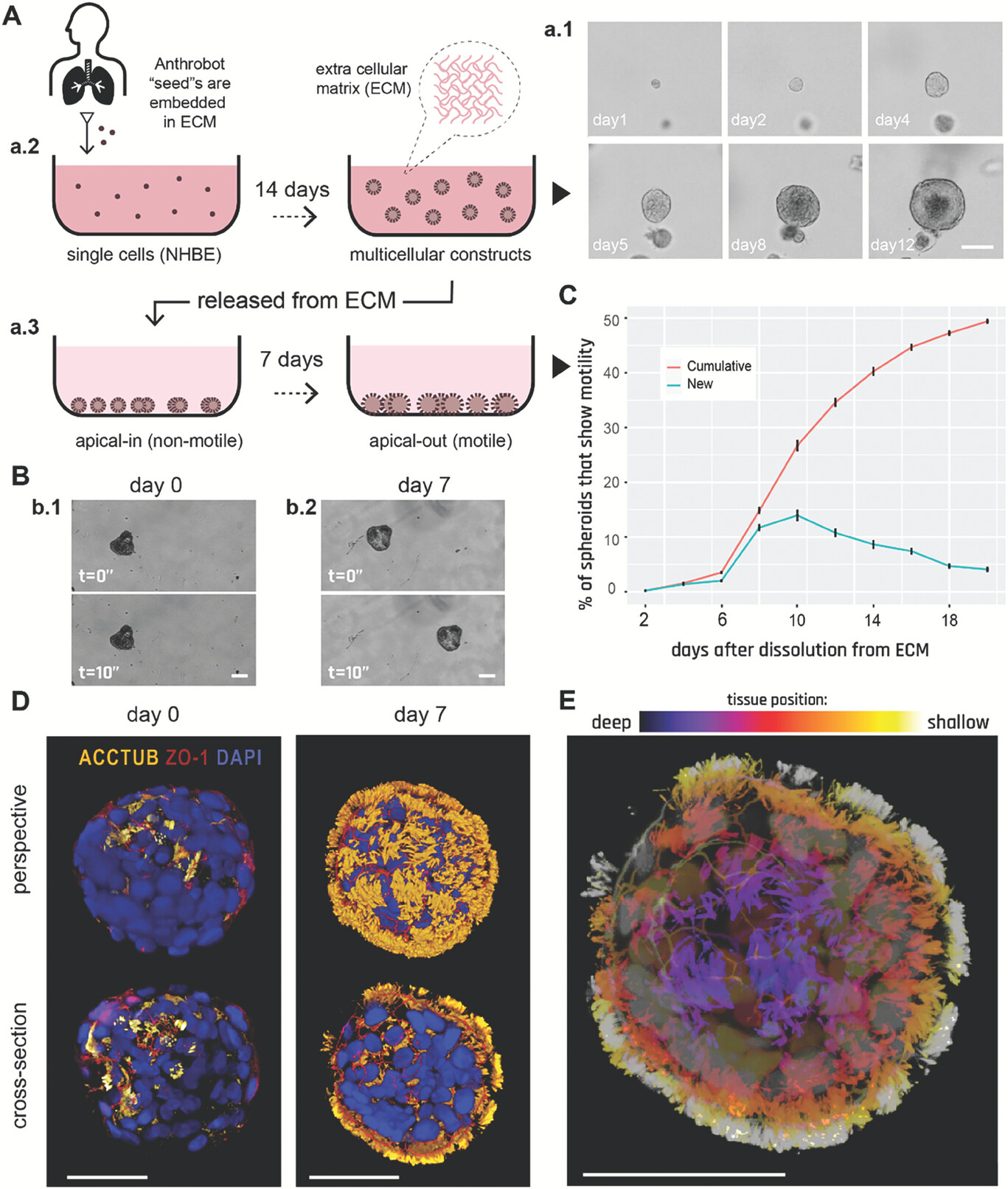
Human bronchial epithelial cells self-construct into multicellular motile living architectures. (Credit: Gumuskaya et al., 2023)

After extraction, these adult cells were kept in an extracellular matrix (ECM, Matrigel) in conditions promoting cell division, followed by ECM dissolution after 14 days and subsequent culturing of the spherical clumps of cells that had thus formed in a water-based, low-viscosity environment. This environment, along with the addition of retinoic acid promoted the development of outward-facing cilia, rather than the typical inward type with a gel-based ECM.

These spheroids (anthrobots, referencing their human origin) generally showed the ability to move using these cilia, with the direction largely determined by the symmetry of the sphere. Multiple of these motile spheroids were then placed on a layer of human neural tissue, in which a scratch had damaged a number of the neurons to form a gap. The anthrobots grouped together over the course of days to form a bridge across the gap, with the neural tissue observed to regrow underneath this bridge, a behavior that could not be repeated by using a dummy support consisting out of agarose on another neural sample, indicating that it is this living bridge that enabled neural regeneration.

Although the researchers rightfully indicate that they are uncertain which factors actually induce this restorative effect in the neurons, it offers exciting glimpses into a potential feature where neural damage is easily repaired, and biological robots made from our own cells can be assembled to perform a variety of tasks.
Update On The BLUFFS Bluetooth Vulnerability

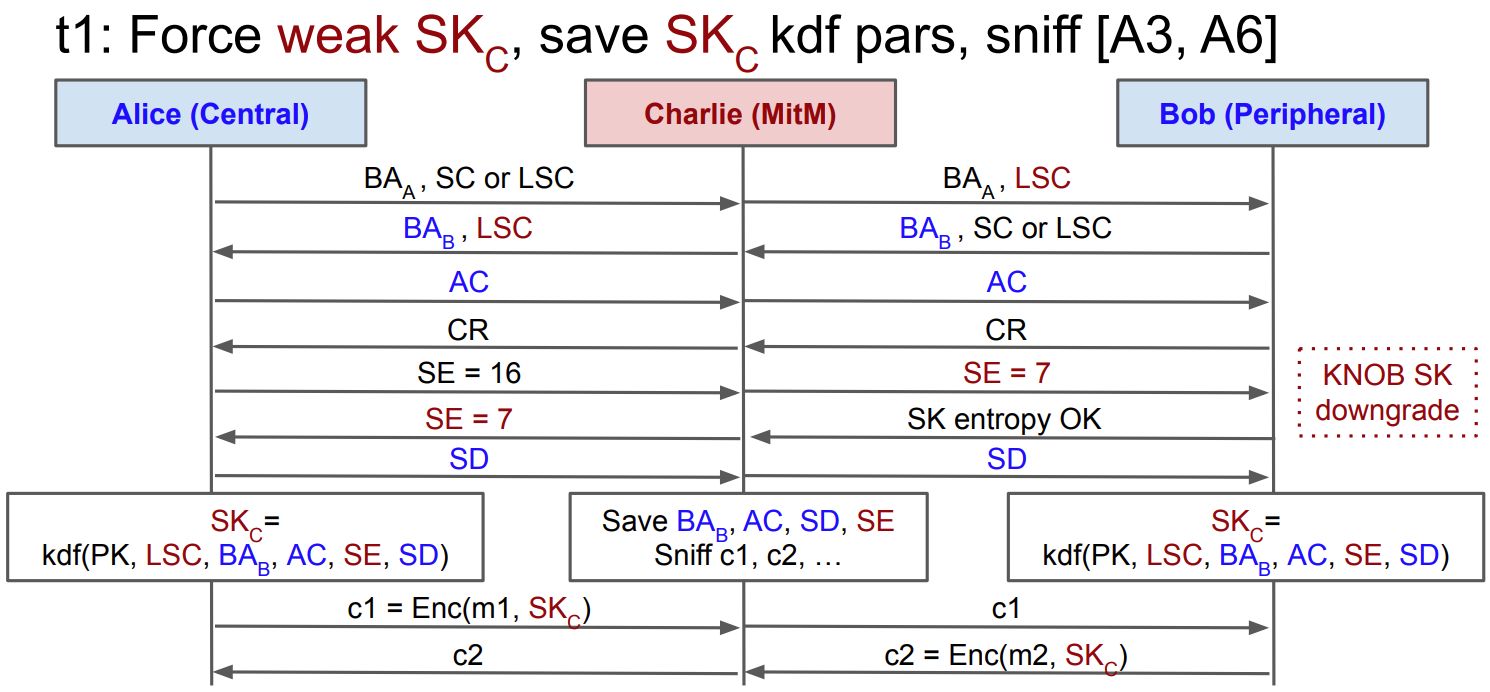
As we first reported in yesterday’s weekly security post, researchers at EURECOM have revealed the details (PDF, references) of a new man-in-the-middle (MITM) attack on Bluetooth 4.2 through 5.4, which has been assigned CVE-2023-24023. Like preceding CVEs, it concerns the session authentication between Bluetooth devices, where the attacker uses spoofed paired or bonded devices to force the use of a much shorter encryption key length.

The name of this newly discovered vulnerability is BLUFFS (Bluetooth Forward and Future Secrecy), where forward and future secrecy are important terms that refer to the protection of secure sessions against compromise in the past (forward, FoS) and future (FuS). The CVE presentation notes that the Bluetooth specification does not cover either FuS or FoS. In total two new architectural vulnerabilities were discovered, both of which attack the security key.

The Bluetooth SIG has released a statement regarding this attack method. Although serious, it would seem that the core issue is that some implementations allow for encryption key lengths below 7 octets:

Continue reading “Update On The BLUFFS Bluetooth Vulnerability”

Open Source Spacecraft Avionics With NASA’s Core Flight System

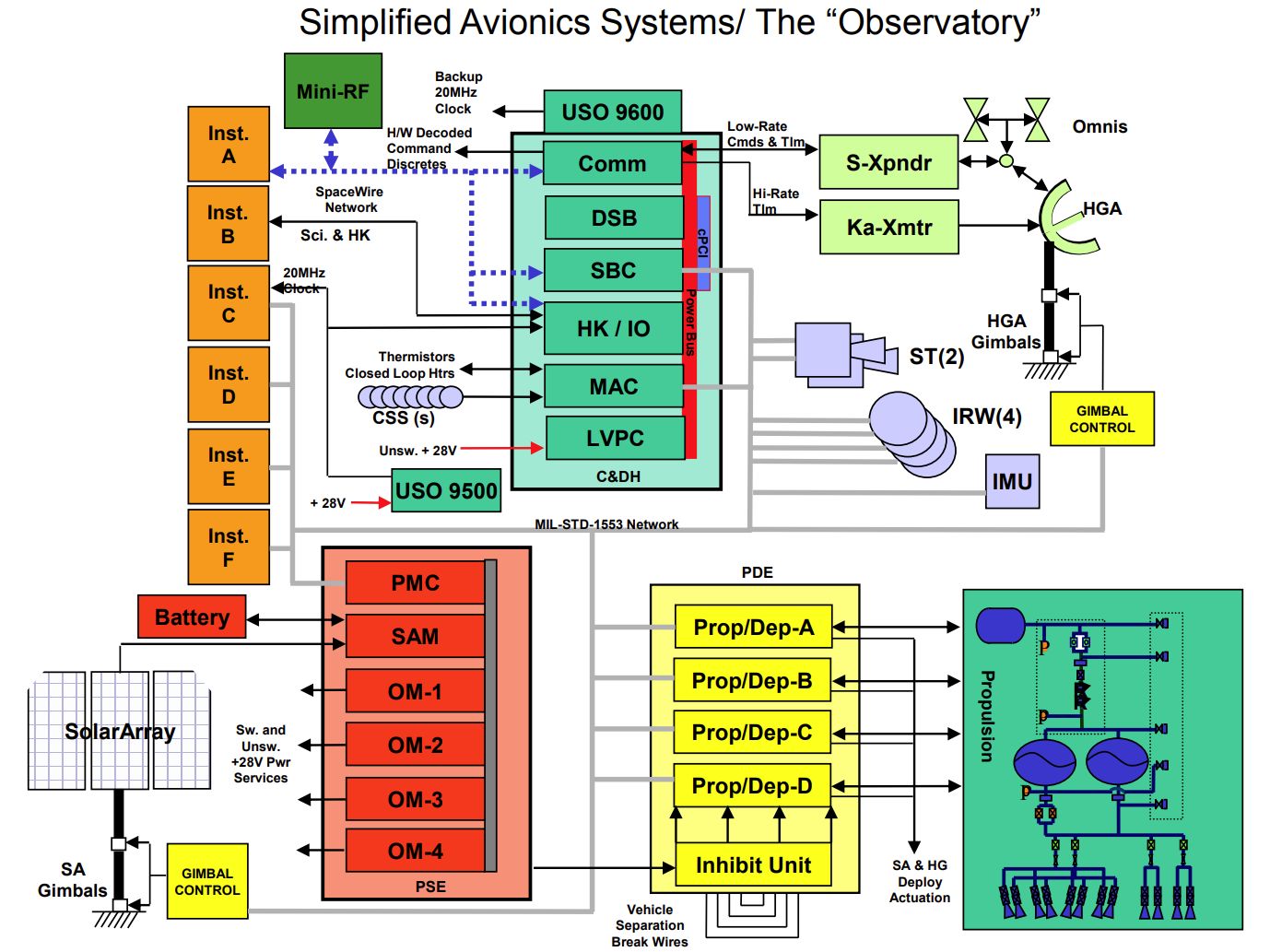
One thing about developing satellites, spacecraft, rovers and kin is that they have a big overlap in terms of functionality. From communication, to handling sensors, propulsion, managing data storage, task scheduling and so on, the teams over at NASA have found over the years that with each project there was a lot of repetition.

Block diagram of a simplified avionics system. (Credit: NASA)

Either they were either copy-pasting code from old projects, or multiple teams were essentially writing the same code.

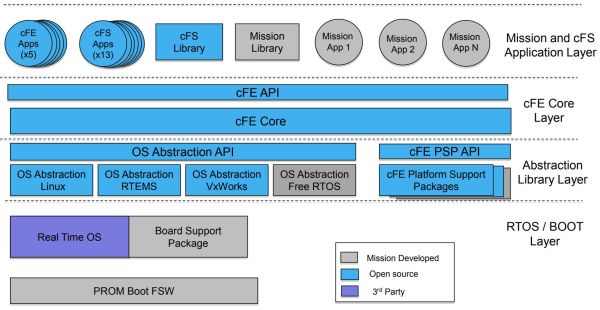
To resolve this inefficiency NASA developed the Core Flight System (cFS), a common software framework for spacecraft, based on code and lessons from various space missions. The framework, which the space agency has released under the Apache license, consists of an operating system abstraction layer (OSAL), the underlying OS (VxWorks, FreeRTOS, RTEMS, POSIX, etc.), and the applications that run on top of the OSAL alongside the Core Flight Executive (cFE) component. Here cFS apps can be loaded and unloaded dynamically, along with cFS libraries, as cFS supports both static and dynamic linking.

There are a few sample applications to get started with, and documentation is available, should you wish to use cFS for your own projects. Admittedly, it’s a more complex framework than you’d need for a backyard rover. But who knows? As access to space gets cheaper and cheaper, you might actually get the chance to put together a DIY CubeSat someday — might as well start practicing now.

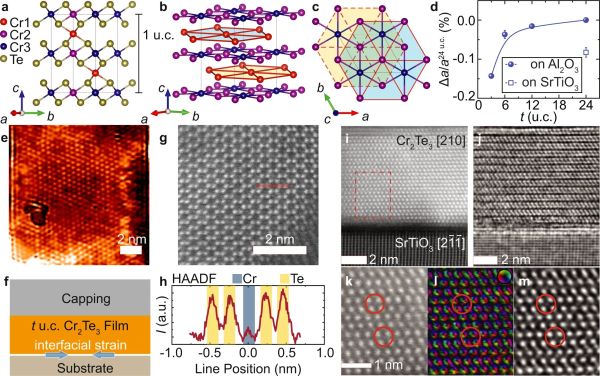
Crystal structure of Cr2Te3 thin films. (Credit: Hang Chi et al. 2023)

Chromium(III) Telluride As Ferromagnetic Material With Tunable Anomalous Hall Effect

Chromium(III) Telluride (Cr2Te3) is an interesting material for (ferro)magnetic applications, with Yao Wen and colleagues reporting in a 2020 Nano Letters paper that they confirmed it to show spontaneous magnetization at a thickness of less than fifty nanometers, at room temperature. Such a 2D ferromagnet could be very useful for spintronics and other applications. The confirmation of magnetization is performed using a variety of methods, including measuring the Hall Effect (HE) and the Anomalous Hall Effect (AHE), the latter of which is directly dependent on the magnetization of the material, rather than an externally applied field.

More recently, in a June 2023 article by Hang Chi and colleagues in Nature Communications, it is described how such epitaxially obtained Cr2Te3 films show a distinct change in the AHE (in the form of sign reversal) depending on the strain induced by the interface with the various types of substrates (Al2O3, SrTiO3) and the temperature, likely owing to the different thermal expansion rates of the film and substrate. Underlying this change in the observed AHE is the Berry phase and the related curvature. This is a phenomenon that was also noted by Quentin Guillet and colleagues in their 2023 article in Physical  Review Materials, effectively independently confirming the AHE

Using Cr2Te3 in combination with the appropriate substrate might ultimately lead to spintronics-based memory and other devices, even if such applications will still take considerable R&D.

Top image: Crystal structure of Cr2Te3 thin films. (Credit: Hang Chi et al. 2023)

Tektronix’s Ceramic CRT Production And The Building 13 Catacombs

As a manufacturer of test equipment and more, Tektronix has long had a need for custom form factors with its CRT displays. They initially went with fully glass CRTs as this was what the booming television industry was also using, but as demand for the glass component of CRTs increased, so did the delays in getting these custom glass components made. This is where Tektronix decided to use its existing expertise with ceramic strips during the pre-PCB era to create ceramic funnels for ceramic CRTs, as described in this 1967 video.

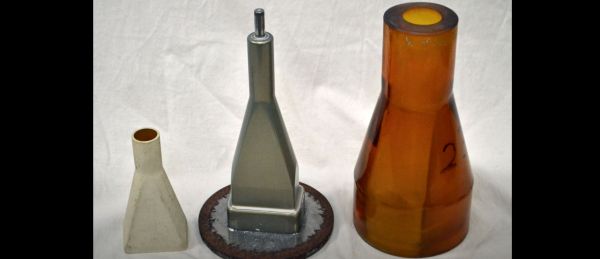
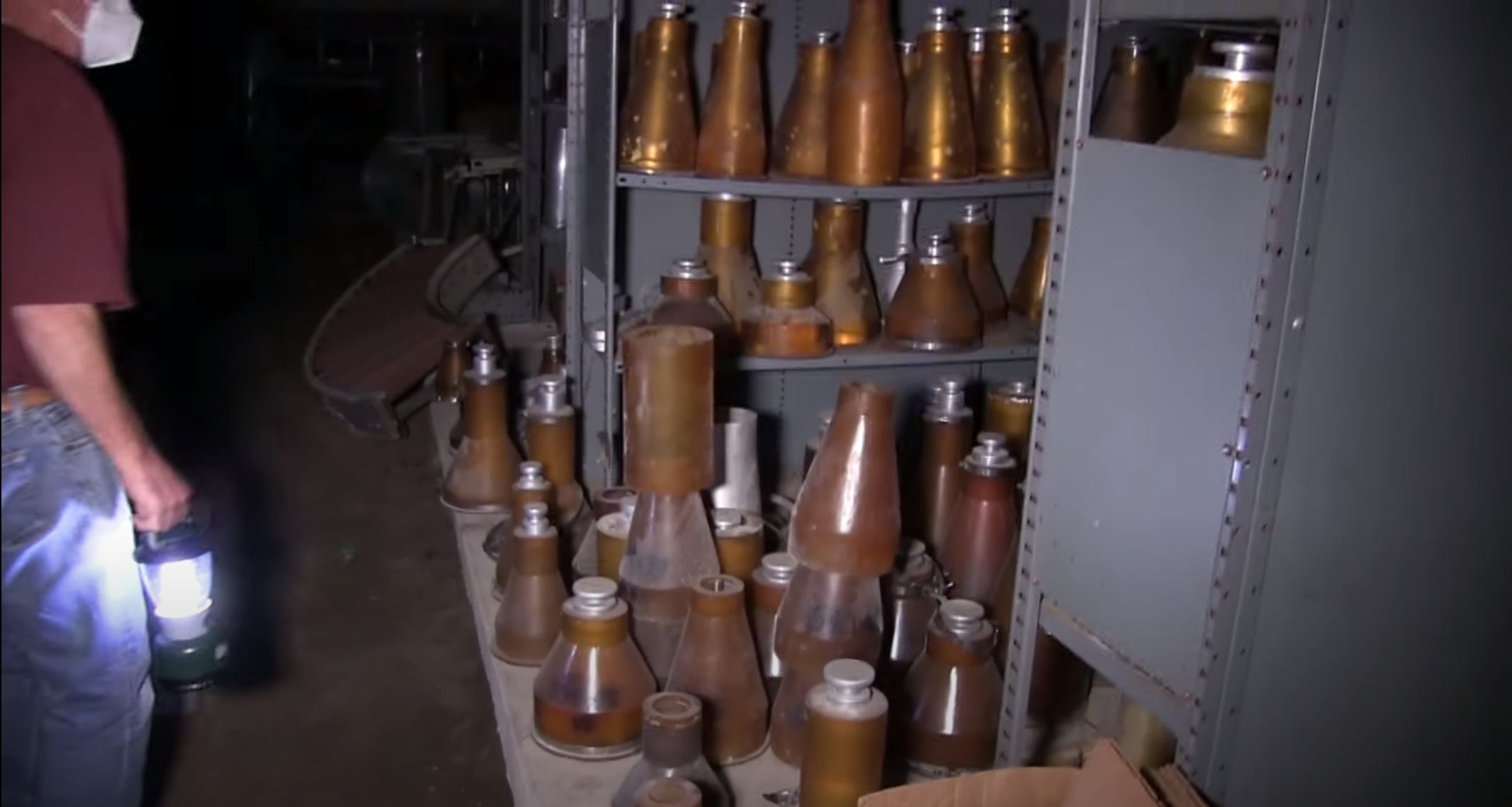
The Tektronix ceramic CRT molds underneath Building 13.

Recently, underneath Building 13 at the Tektronix campus, a ‘catacomb’ full of the molds for these funnels was discovered, covering a wide range of CRT types, including some round ones that were presumably made for military purposes, such as radar installations. These molds consist out of an inner part  (the mandrel) made from 7075-T6 aluminium, and an outer cast polyurethane boot. The ceramic (forsterite) powder is then formed under high pressure into the ceramic funnel, which is then fired in a kiln before a full inspection and assembly into a full CRT, including the phosphor-coated glass front section and rear section with the electron guns.

The advantages of ceramic funnels over glass ones are many, including the former being much harder and resilient to impact forces, while offering a lot of strength for thinner, lighter structures, all of which is desirable in (portable) lab equipment. Although LCDs would inevitably take over from CRTs here as well, these ceramic CRTs formed an integral part of Tektronix’s products, with every part of production handled in-house.

Continue reading “Tektronix’s Ceramic CRT Production And The Building 13 Catacombs”

Easily Bypass Laptop Fingerprint Sensors And Windows Hello

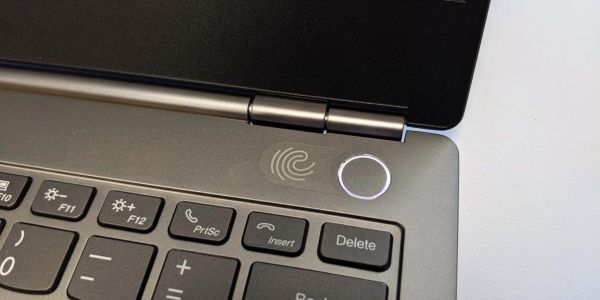
The fun part of security audits is that everybody knows that they’re a good thing, and also that they’re rarely performed prior to another range of products being shoved into the market. This would definitely seem to be the case with fingerprint sensors as found on a range of laptops that are advertised as being compatible with Windows Hello. It all began when Microsoft’s Offensive Research and Security Engineering (MORSE) asked the friendly people over at Blackwing Intelligence to take a poke at a few of these laptops, only for them to subsequently blow gaping holes in the security of the three laptops they examined.

In the article by [Jesse D’Aguanno] and [Timo Teräs] the basic system and steps they took to defeat it are described. The primary components are the fingerprint sensor and Microsoft’s Secure Device Connection Protocol (SDCP), with the latter tasked with securing the (USB) connection between the sensor and the host. Theoretically the sensitive fingerprint-related data stays on the sensor with all matching performed there (Match on Chip, MoC) as required by the Windows Hello standard, and SDCP keeping prying eyes at bay.

Interestingly, the three laptops examined (Dell Inspiron 15, Lenovo ThinkPad T14 and Microsoft Surface Pro X) all featured different sensor brands (Goodix, Synaptics and ELAN), with different security implementations. The first used an MoC with SDCP, but security was much weaker under Linux, which allowed for a fake user to be enrolled. The Synaptics implementation used a secure TLS connection that used part of the information on the laptop’s model sticker as the key, and the ELAN version didn’t even bother with security but responded merrily to basic USB queries.

To say that this is a humiliating result for these companies is an understatement, and demonstrates that nobody in his right mind should use fingerprint- or similar scanners like this for access to personal or business information.

CAR T Cell Immunotherapy And The Quiet Hope For A Universal Cancer Treatment

All of us have to deal with the looming threat of developing cancer during our lifetime, no matter how good our genetics are, or how healthy our lifestyle is. Despite major improvements to the way that we treat and even cure cases of cancer, the reality today is that not all types of cancer are treatable, in many cases there’s the likelihood that one day it will return even after full remission, and chemotherapy in particular comes with potential life-long health issues. Of the most promising new and upcoming treatments, immunotherapy, is decidedly among the most interesting.

With this approach, it is the body’s own immune system that is taught to attack those cancer cells, requiring little more than a few tweaks to T-cells harvested from the patient’s body, after which they’re sent on their merry cancer-killing way.  Yet as simple as this sounds, finding the right characteristics which identify the cancerous cells, and getting a solid and long-lasting immune response is a tough challenge. Despite highly promising results with immunotherapy treatment for non-solid cancers like leukemia – that have resulted in almost miraculous cures – translating this success to other cancer types has so far remained elusive.

New research now shows that changing some characteristics of these modified (chimeric antigen receptors, or CAR) T-cells may be key to making them significantly more long-lived and effective within a patient’s body. Is this the key to making immunotherapy possible for many more cancers?

Continue reading “CAR T Cell Immunotherapy And The Quiet Hope For A Universal Cancer Treatment”