Unwrapping 360 Degree Video

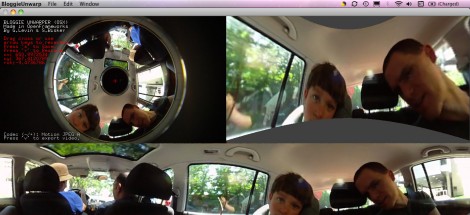
[Golan Levin] found a way to unwrap the 360 degree images he created with his camera. He’s using a Sony Bloggie HD camera which comes with a 360 degree attachment for the lens. This produces a donut shaped image (seen in the upper left) that was not all that palatable to [Golan]. He used Processing and openFrameworks to create a program that lets him unwrap the donut into a flat image, or create a ring of video where the viewer is at the center and can scroll left or right to see the rest of the filmed environment. He released the source so you can adapt the program if you’re using a different 360 video setup.

[Thanks Kyle]

Multi Multimeter Clock

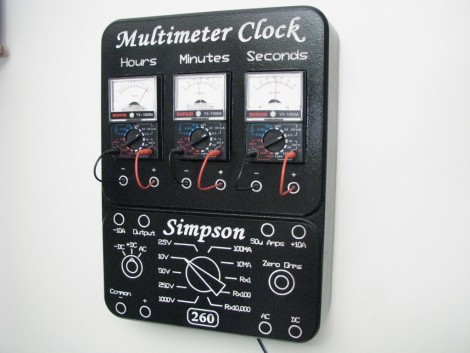
[Alan Parekh] built this clock to look like a Multimeter using analog multimeters for the three displays. A PIC does the timekeeping and feeds a specific amperage to the three displays which show hours, minutes, and seconds.

We’ve seen clocks that use analog meters before. [Alan] took the concept to the next level, replacing the graduated markings behind each needle to correspond to the correct display. He’s also included precise calibration so that each meter is as accurate as possible. After watching his video we’re convinced this is a refined product ready for a wide market, at least for those who appreciate the geek factor of the display.

Working With The AT90USBKey

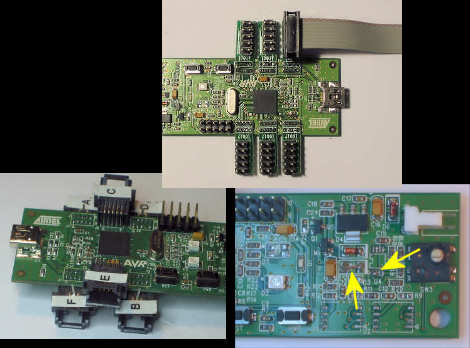
The Genearic HID tool is meant as an easy way to create your own human interface devices. The project has the added benefit of showing us how to hack the hardware on the AT90USBKey developement board. The AVR-based device, which we saw used to make an SNES cartridge reader, comes in at just over $30 but with a few caveats. First, the breakout pads for the pins are not 0.1″ pitch and require some creative soldering to get at them easily. But the walk through also covers converting the board to run at 5v when in USB host mode, and altering the populated components to reclaim pins on the AT90USB1287 chip. The fun isn’t limited to this board, there’s also a home brew alternative based around the same chip.

[Thanks Juan]

Live Fire Half-life

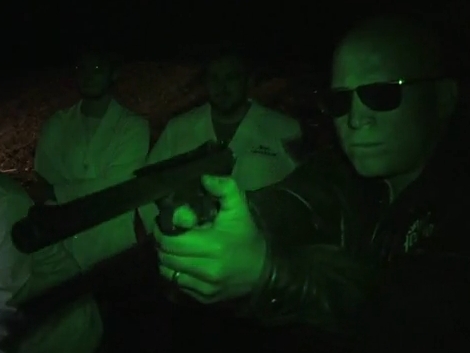
We don’t know how we missed this when it first came out, but there is a hack out there that combines a .22 caliber pistol with the video game Half-life. Simple is best and that motto is in use here. A wall was built down range to use as a projection screen. Accelerometers mounted on the drywall report vibration data from the bullet strike which is used to triangulate its location. This targeting data is then sent to the game interface.

As you can see in the video after the break this works like a charm. The [Waterloo Labs] personnel that developed this are also responsible for that iPhone controlled car. The antics we witnessed in that project carry over to this one as they illustrate using the setup to play Half-life with a couple of shovels at 2:12 into the clip. Continue reading “Live Fire Half-life”

Another Take On A Bicycle Built For Two

We normally advocate wearing a helmet when biking in case you get hit by a car. In this case the guy on the bottom of this double-decker bicycle should wear a helmet to avoid a boot to the head. When we started watching the video after the break we thought that [James] had just built a really really high bike. Not the case, he built an over-under tandem bicycle. What’s more outrageous? Check out that killer kick-stand twenty seconds into the clip.

Continue reading “Another Take On A Bicycle Built For Two”

Next HOPE Badge Hacking Primer

[Travis Goodspeed] is taking a look at the attendee badges for this year’s Next HOPE conference. He’s given us a pretty good look at what is on the board, what it means to you, and how you can get at it. Of course the final hardware specs are a secret until conference time, but this will help you get some ideas and ensure that you bring the right add-on hardware. We normally try not to do too much quoting, but one of [Travis’] statements literally makes us laugh out loud (as opposed to what most people describe as lol):

“These badges are active RFID tags which beacon the position of each attendee a few times a second, so that the god damned devil army of lies–by which I mean the Next HOPE badge committee–can track each attendee around the Hotel Pennsylvania.”

No matter how you feel about the badge committee, the tradition of hacking conference badges is a fun, rewarding, and often frustration past-time. The badges are actually using the concept of OpenAMD. The last three letters stand for Attendee Meta Data which is an evolving concept. How can meta data about attendees be useful to all involved in a non-invasive way? How about associating yourself with a concept, like microcontroller programming. What if you could search to find out where other people interested in that are right now? Could be great… could end up in an impromptu meeting around the restrooms for no good reason. Either way, take a look at the teaser video covering the topic after the break.

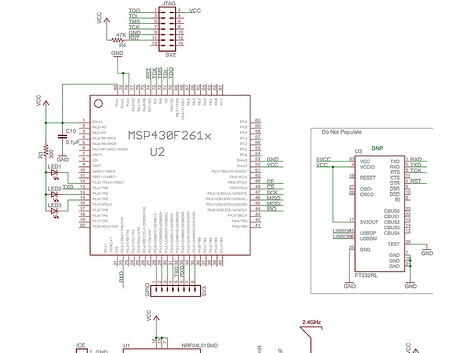
Oh, one more note about the hardware. This year they’re moving away from PIC based badges to the more energy-efficient MSP430 line. It’s not one of the value-line processors that the Launchpad is meant for, but this bigger-brother ‘F’ chip will be no problem to work with if you’ve already spent some time with the ‘G’ series.

Continue reading “Next HOPE Badge Hacking Primer”

Update: Atari Pause Button

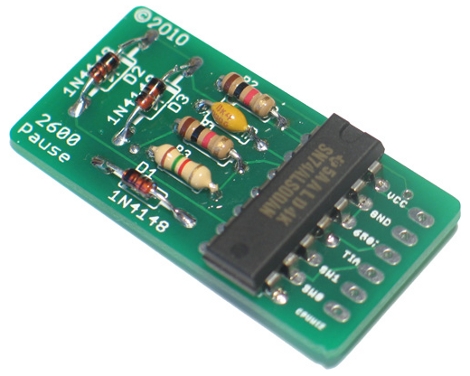
The Atari 2600 pause circuit is now available in a kit form. We saw this pause method back in February and the kit uses the same circuit. We don’t really need a kit for this, the board is very simple to throw together. But we do appreciate the detailed installation instructions (PDF) that accompany it. After all, you don’t want to kill you classic gaming rig with a botched install.

[Thanks CPUWIZ]