
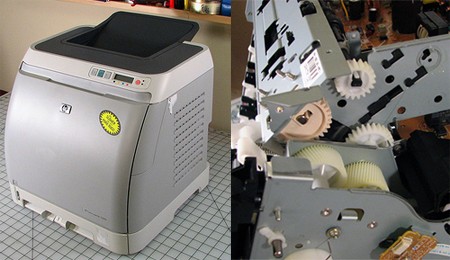
In the ongoing quest to find parts for new projects by scavenging old devices, the curiously sane and benevolent team at Evil Mad Scientist Laboratories took apart an HP Color LaserJet 2600n. They wanted to see what makes it tick and what parts can be culled from it for later use.
One Handed Controller Available For Pre-order
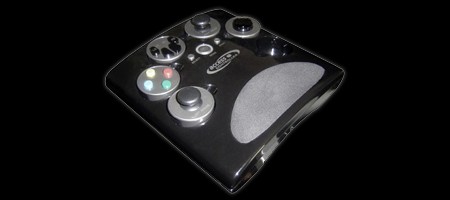
You are probably familiar with the work of [Ben Heckendorn]. His latest commercial project, the one handed Access Controller, is now available for pre-order. A well known modder, he has created several unique video game console adaptations including a scratch built one handed Xbox 360 controller.
A unique feature of this controller is that it allows you to change the location of the buttons/joysticks. This modular design can be swapped and customized depending on your needs. Ben is including a guide for creating your own modules, should you be so inclined. The device uses 2.4Ghz wireless to communicate and is available for $129.99.
Since we know you are more interested in hacks than gadgets, be sure to checkout Heckendorn’s nice collection of how-tos on Engadget.
[via Engadget]
Building A MIDIbox SID
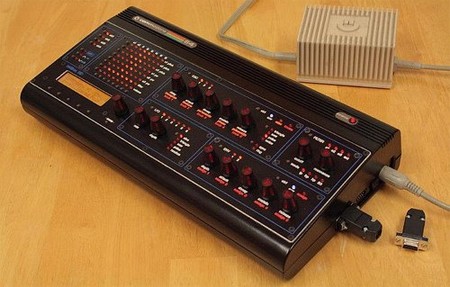
We’ve discussed MIDIboxes before (and once before that), but we’ve never really told you what goes into them or how to build one. We’ll take you through the process after the break.
Soft Start Your Flashlight For Longer Bulb Life
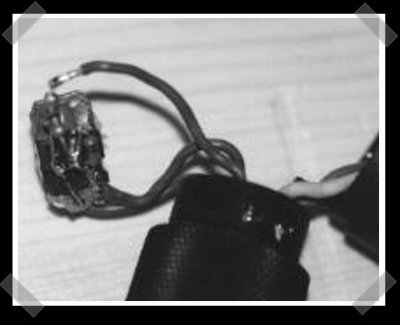
[Reinhard] has a great collection of DIY SCUBA projects. One interesting hack he put together is a soft start circuit to improve the life of the bulb in a flashlight. Despite LEDs getting cheaper, MR16 halogens are dirt cheap and put out some serious lumens.
3 Liter Homebrew Beer Keg
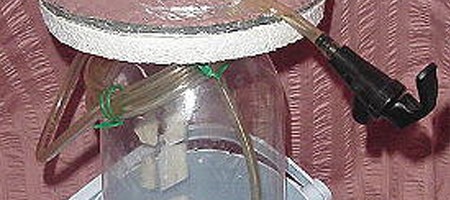
Beer kegs are several things. They are expensive, heavy, but most importantly delicious. We found a nice guide for creating your own 3 liter beer keg. This is an inexpensive solution for homebrewers looking to keg their own beer.
The guide goes into detail on assembly and parts needed to create the bottle adapter. Most of the parts can be picked up locally or through MoreBeer.com. CO2 cartridges are used to pressurize the bottle. To keep everything cool you can use a standard water cooler with a few simple modifications. The 3 liter bottle is too tall for some coolers so you’ll need to cut a hole in the lid. Add a piece of aluminum covered styrofoam to the top and bottom, toss in some ice, and your brew should stay cold for about 3 hours.
The author does note that this is not recommended for long term storage. So drink up!
RepRap Universal Constructor Achieves Self-replication
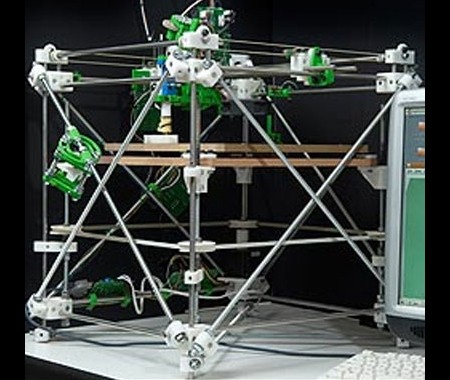
RepRap, the self-replicating universal constructor has had our attention since it first started spitting out globs of shapeless goo, but its speculative potential turned in a real benchmark recently when a RepRap machine made parts for an identical machine in a few hours (a child, in other words), then the second RepRap successfully made parts for a third or grandchild machine.
RepRap does not fully assemble copies of itself, but produces the 3D-printed plastic components necessary to assemble another copy. It has also successfully produced other plastic goods like sandals and coat hooks. [Dr. Adrian Bower] is the leader of the RepRap team, and he will be exhibiting its capabilities at this week’s Cheltenham Science Festival.
[via BoingBoing]
Gaming With Roombas
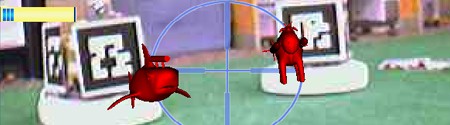
Yesterday we looked at the Pac-Man Roomba casemod. In the video, creator [Ron Tajima] expressed interest in seeing Roombas participate in real life games. So we did some digging around and found some used in an interesting augmented reality game. From Brown University, these modified Roomba Create units play various games, like tag, with an underlying goal of developing smarter robots.
The setup consists of a Java powered client/server arrangement. The game server coordinates the Small Universal Robot Vehicles (SmURVs) and builds a database of events for future use. Players can also control the robots through a Java telepresence client.
The units themselves are made up of the iRobot Create with a Mini-ITX computer strapped to the top. They run Linux and communicate over WiFi with the server and players. They also have an IR emitter used in the games to “shoot” other units.
Gameplay has the server acting as the referee and humans only acting as instructors. The humans come into play when the robots are unable to respond based on their existing database of decision making policies. Through the client, players are able to see exactly what the robot sees with the addition of 3D overlays. Future plans for the game include removing the camera view and replacing with nothing but these overlays. One of the final goals of the project was to create a 24/7/365 gaming experience similar to what is found in MMOs and Xbox Live applications today.









