The common narrative around device design is that you can have repairability or a low price, but that they are inversely proportional to each other. Apple’s new budget MacBook Neo seems to attempt a bit of both.
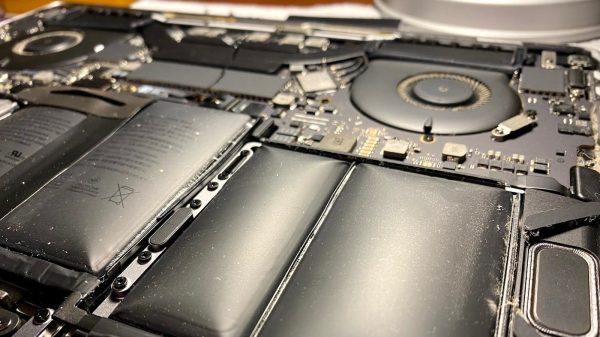
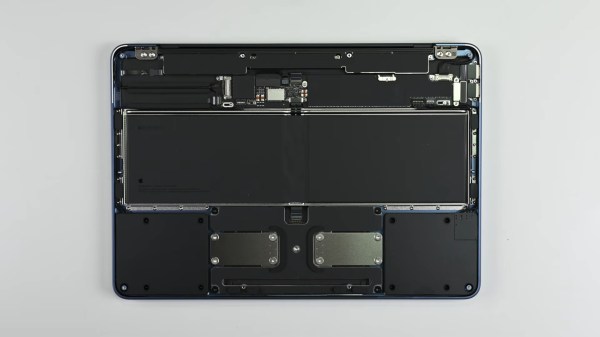
Brittle snap-fit enclosures or glue can make a device pop together quickly during manufacture, but are a headache when it comes time to repair or hack it. Our friends at iFixit tore down the Neo and found it to be the most repairable MacBook since the 2012 unibody model. A screwed in battery, and modules for many of the individual components including the USB ports and headphone jack make it fairly simple to replace individual components. Most of those components are even accessible as soon as you pop the bottom cover instead of requiring major surgery.
As someone who has done a keyboard replacement on a 2010 MacBook, the 41 screws holding the keyboard in brought back (bad) memories. While this is a great improvement over Apple’s notoriously painful repair processes, we’re still only looking at an overall 6/10 score from iFixit versus a 10/10 from Framework or Lenovo.
The real story here is that these improvements from Apple were spurred by Right-to-Repair developments, particularly in the EU, that were the result of pressure from hackers like you.
If you want to push a Neo even further, how about water cooling it? If you’d rather have user-upgradeable RAM and storage too in a Mac, you’ve got to go a bit older.
Continue reading “Apple’s Most Repairable Laptop Is Thanks To Right-to-Repair”