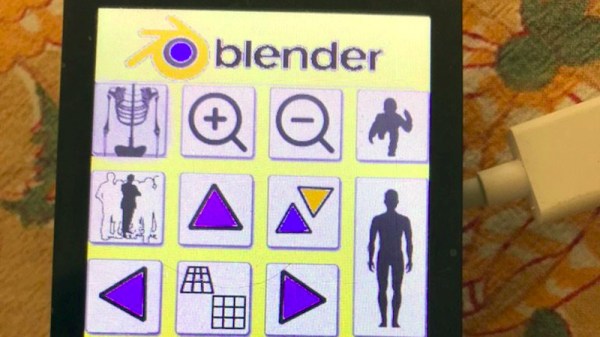
The need to provide custom controls for complex software packages has been satisfied in many ways, the most usual of which is to have a configurable keypad. It’s a challenge [Meir Michanie] has taken up in a slightly different way, by creating a custom touch-screen macro pad. Unlike the buttons, this allows entirely custom layouts with different shaped keys in any configuration.
At its heart is a versatile ESP32 touch screen development board of the type that can be found easily among the pages of your favorite online electronics mart. The Arduino IDE has been used to program the device, and configuration is as simple of providing it with a PNG of the desired layout, and a CSV file to define the buttons. The whole then connects via BLE where it’s presented to the host computer as a keyboard. The result is one of the coolest macro pads we’ve ever seen, with a limitless number of options.
With such a neat idea it’s perhaps no surprise among the numbers of macro pads that have made it to these pages there might be another take on the same idea.
The 2022 Hackaday Prize continues to hurtle along, with two of the five Challenges already in the rear-view mirror. While we’re naturally excited about every phase of this year’s contest, we’ve got particularly high hopes for what the community can do with this third Challenge: Hack it Back.
It’s a simple formula: find some outdated and disused piece of gear, spruce it up, and keep it out of the landfill. But extending the lifetime of consumer hardware is only one side of the coin, by upgrading and modifying something instead of buying an off-the-shelf replacement, you also turn the mundane into something unique and personal. But of course, we hardly have to explain the benefits to you fine folk — this is the sort of bespoke engineering we see on a nearly daily basis here at Hackaday. The difference now is that there’s cash prizes on the line.
What’s that you say? You aren’t the type to be seduced by shiny new features? Happy to keep things local while others ship it all off to the cloud? You’ll get no complaints from us, and that’s why the Hack it Back Challenge also recognizes repairs that simply put a piece of gear back into service. But don’t be fooled, as fixing something can often be harder than rebuilding it from scratch.
Ready to put your hardware-reviving skills on display? Just head over to Hackaday.io, make a new project page, and get hacking. But don’t wait too long, you’ve only got until July 24th to enter the Hack it Back Challenge and stake your claim on one of the ten $500 awards up for grabs.
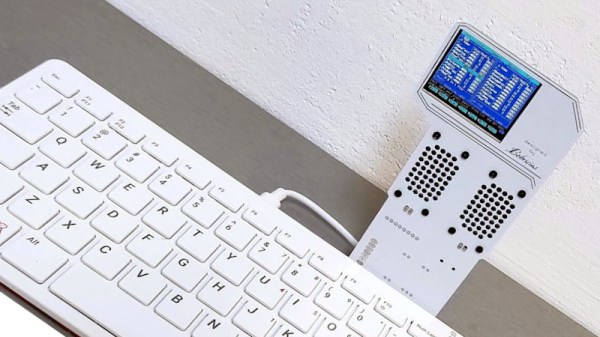
The trend for making cyberdecks has seen the Raspberry Pi emerge as a favourite for these home-made computer workstations, with the all-in-one Raspberry Pi 400 providing a particularly handy shortcut to integrating the computer and keyboard components. There’s still the question of the cyberdeck chassis and screen though, and it’s one that [bobricius] has answered in what may be the simplest manner possible, by means of a riser PCB from the expansion port holding a 320×240 SPI display.
If this is starting to look familiar, then you’d be right to recognise it as a slightly higher-quality version of those cheap LCD screens that have been available for the Pi for quite a few years. Alongside the screen is a pair of speakers, and the whole thing extends upwards from the back of the Pi 400. We’d question how much load can be taken by the expansion connector, but in practice it seems not to be taking too much.
The device in use can be seen in the video below the break. It’s definitely not the largest of displays, and when used as a desktop, it’s rather cramped, but it seems adequate for a terminal. It has the advantage over many cyberdecks that when the novelty has waned, it can be removed, and the Pi 400 used with a conventional display.
The Pi 400 has been with us for nearly a couple of years now, and perhaps hasn’t had the recognition it deserves. If you’ve never tried one, take a look at our review from when it came out.
Where has the year gone? It’s already summer in the Northern Hemisphere, and the second Challenge of the 2022 Hackaday Prize ends this weekend, along with your chance at one of ten $500 prizes. If you thrive on last-minute challenges, consider the eleventh hour upon you. But don’t panic; there’s still a decent amount of time left to start a new project over on Hackaday.io and get it entered into the contest.
The second Challenge focuses on creating new ways of recycling materials. What does this look like? That’s a pretty broad topic, but it could be anything from a better method of chip harvesting to an inexpensive and/or low-energy process for shredding used plastic and forming it into millable blocks.
Don’t just think big on a commercial scale — imagine what people can do at home with the stuff in their recycle bin or their neighbor’s trash. If everyone had access to one of [Jerzeek]’s plastic scanners for identifying the type of plastic that mystery bucket or old watering can was made of, just think what could be done. As long as your project focuses on reusing, recycling, or revamping, we want to see it!
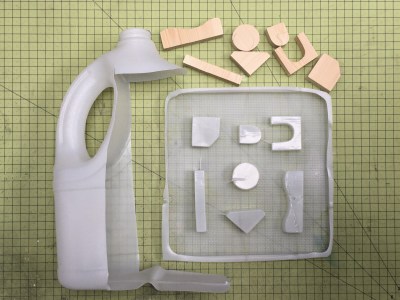
[jude_pullen] is vacu-forming plastic milk jugs ’til the cows come home.
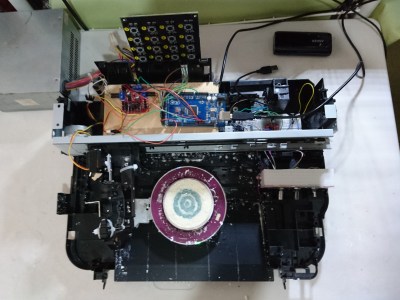
[Guillermo Perez Guillen]’s cornstarch mini pottery machine spins us right round.
So basically, we have a bunch of awesome entries right now, but we don’t have yours! Remember: it doesn’t have to be a new project, just a new project page. Did you revolutionize recycling during lockdown? Make a new project and tell us about it! Just don’t forget to actually enter the thing by using the drop-down on the left before 7AM PDT on Sunday, June 12th. Need a time converting countdown thingy? We’ve got you.
After the recycle bin is empty, we’ll be moving on immediately to the Hack It Back challenge. This time, we’ll be asking you to teach old tech new tricks, or to bring a piece of gear back from the dead. Turn a blender into a Dremel-like tool, or give an old ‘scope a screen upgrade. You know what to do!
Just as the Jedi youngling would have to build their light saber, so is it a rite of passage for a true geek to build their own computer interfaces. And nothing makes a personal computer more personal than a custom keyboard, a bespoke mouse, an omnipotent macropad, a snazzy jog wheel, or a fancy flight yoke.
In this contest, we encourage you to make your strangest, fanciest, flashiest, or most custom computer peripherals, and share that work with all the rest of us. Wired or wireless, weird or wonderful, we want to see it. And Digi-Key is sponsoring this contest to offer three winners an online shopping spree for $150 each at their warehouse! More parts, more projects.
The 2022 Hackaday Prize is focused on lightening our load on the planet, and one obvious way to do so is to get and store renewable power locally — the theme of our first challenge round: Planet-Friendly Power. Our judges have studied all the entries and their votes are in. All of these ten projects will receive $500 right now and are eligible for the Grand Prize of $50,000, to be announced in November.
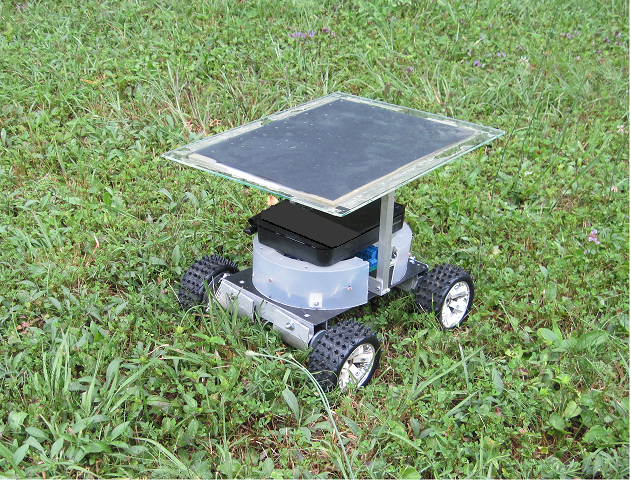
Most of the alternative energy sources you’d expect to see were represented: solar, wind, and water. But everyone brought their own twists to the topic. For instance, the Low Cost Solar Panel Solution demonstrates that there’s a lot more to a DIY solar project than just the panel. You need to support it, protect it, turn it to face the sun, and convert and store the power harvested. And [JP Gleyzes] even goes so far as to use recycled water bottles to make the 3D-printed parts. Sun Chaser 2 puts the panel on wheels, driving it out of the shade to collect maximum energy in a real-world backyard situation. Cute!
Finally, we had two great kite projects to harvest wind with minimal setups on the go: Kite Propulsion and Energy Independence While Travelling. Both are still in the experimental stages, but both have great documentation of where the research projects stand.
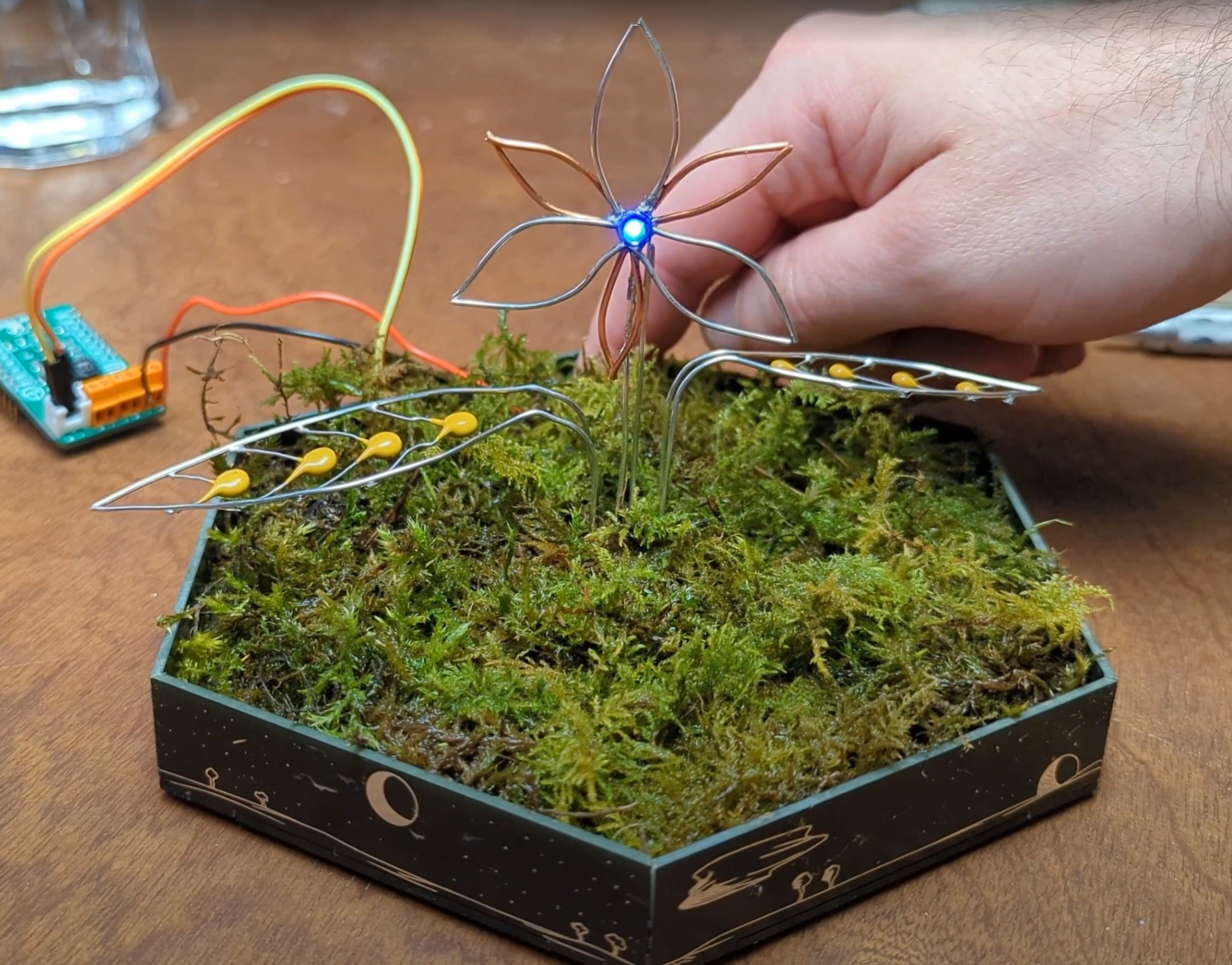
Finally, Moss Microbial Fuel Cell is really out there on the edge of current research. Combining the reasonably well established microbial fuel cell with the photosynthetic power of moss, [Guru-san] is able to light an LED for a few seconds at a time. It’s not much, but it’s also a desktop-scale project. And who can say no to leaf-shaped capacitor circuit sculptures to store the energy?
Hacker Power!
Those are just a few of the ten finalists, listed here in no particular order. Congratulations to all of you! We’re excited to follow your projects along their journey, and wish you all the best.
Ding! That’s the bell for the second challenge round of the 2022 Hackaday Prize. If your project reuses or recycles what would otherwise be waste materials, or helps you to do the same for further projects, we want to see it.
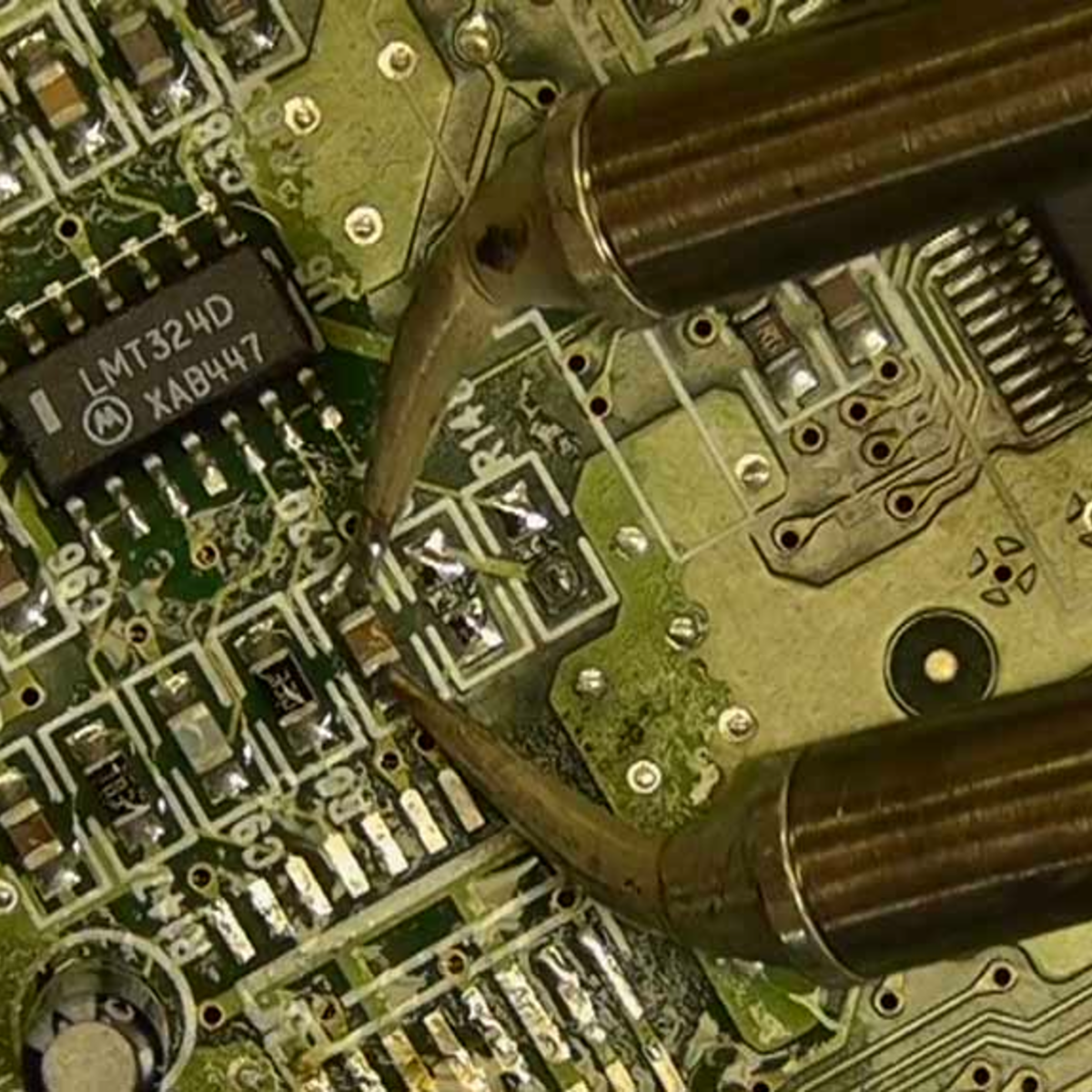
Hackers are often frugal folk — we’ll recycle parts for projects because it’s easier on the pocketbook when prototyping. But in these strangest of times, when we’ve seen $1 microcontrollers in such shortage that they fetch $57 apiece (if you can get the parts at all), making use of what you’ve got on hand can be an outright necessity. If this is going to become the new normal, it’s going to make sense that we automate it. There’s gold, literally and metaphorically, in busted PCBs. How are you going to get the most value out of our broken electronic waste in our post-apocalyptic near future? Have you built an unpick-and-unplace machine? We’d like to see it.
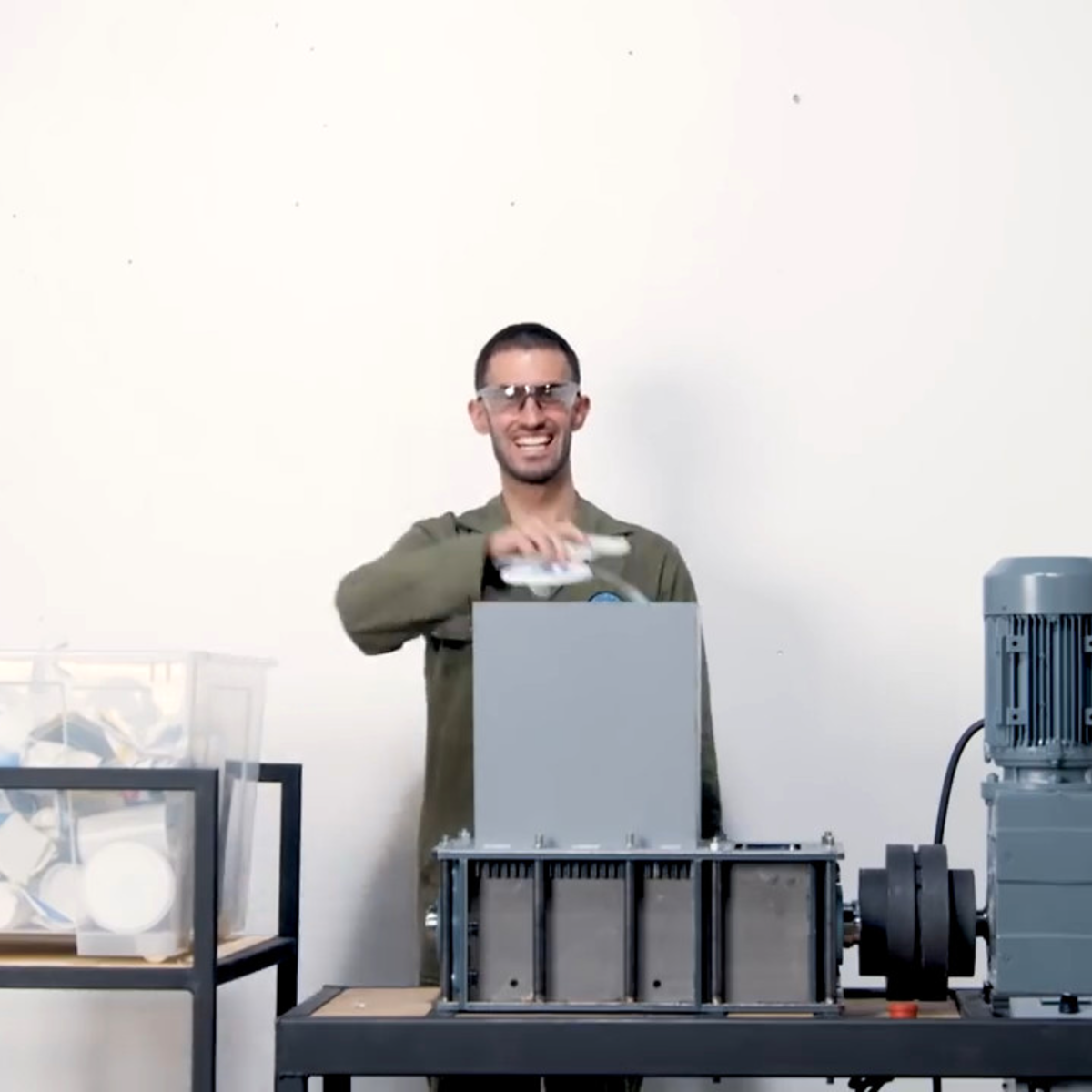
But electronic parts are a small fraction of your recyclable materials, and plastics might play a larger role. If you’re a 3D printerer, you’ve doubtless thought about recycling plastic bottles into filament. Or maybe you’d like to take some of the existing plastics that are thrust upon you by this modern world and give them a second life? This factory churning out paving stones by remelting plastic with sand is doing it on an industrial scale, but could this be useful for the home gamer? Precious Plastic has a number of inspirational ideas. Or maybe you just need an HDPE hammer?
Basically any project that helps you recycle or reuse the material around you is fair game here. (But note that if you’ve got epic repair hacks, you’ll want to enter them in the upcoming Round Three: Hack it Back.) This round runs until June 12th and there are ten $500 awards up for grabs, so get hacking!