Large Hadron Collider User Manual Online


If you’ve got a few hours (or weeks) of spare time, you could learn how to run the Large Hadron Collider, located at CERN in Switzerland. CERN published the full technical details of the collider and detectors online, and anyone with some curiosity and patience can read all 1,589 pages. Tell us if you got through all of it, and if you’re planning to make your own particle accelerator.

[via MetaFilter]

James Powderly Released


Graffiti Research Lab’s [James Powderly] along with 9 other Tibet supporters were deported from China during the Olympic’s closing ceremonies. Detained on the 19th, the activists were to serve a 10 day sentence, but the Chinese government buckled under international pressure and deported them early. This brings the total number of deported activists to 53 since the start of the games.

Graffiti Research Lab is well known for its laser tagging research.

VIA’s EPIA Pico-ITX Based Robots

VIA, the Taiwan-based supplier of chipsets and low power processors, showed off its latest creations at the Taipei International Robot Show. The Lynxmotion Johnny 5 kit, based on the robot from the animated film Short Circuit, is powered by the compact VIA EPIA P700 board, and aimed at beginner robotic hobbyists. VIA claimed that its use of the latest board allows for much easier software development. VIA also showcased the Mini-ITX powered Vecna Battlefield Extraction-Assist Robot (or BEAR), a cuddly-looking robot with potential uses in military and rescue operations.

[via Engadget]

FEMA Phone System Hacked


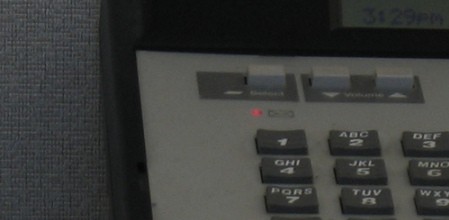
Over the weekend, a hacker broke into FEMA’s new PBX voicemail system, made over 400 overseas phone calls to Asia and the Middle East, and ran up a $12,000 bill. The low tech hack took advantage of a “hole” that was not covered when a contractor upgraded the voicemail system. FEMA is currently conducting its own internal investigation, but FEMA spokesman [Tom Olshanski] did not have any information about the contractor responsible or what specific hole was the cause of the breach. Ironically, Homeland Security, of which FEMA is a part, had issued a warning in 2003 about the very same vulnerability.

[photo: silas216]

Micro Battery Assembled By Virus


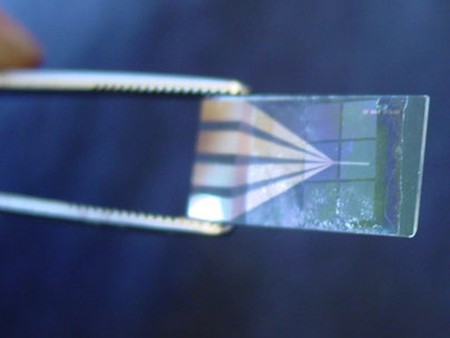
MIT researchers have used a viral assembly method to create a battery at half the size of a human cell. They’ve successfully developed the anode and electrolyte, leaving only the cathode unfinished. each electrode is only 4 micrometers in diameter.

The construction process involves taking a rubbery base and creating a pattern of tiny posts through lithography. Then they add different layers of polymers that act as an electrolyte. Finally the virus preferentially self-assembles on top of the polymer creating the anode. Pictured above is a test plate. The battery itself is too small to be seen.

[via BoingBoing]

Parents Beware Of “digital Drugs”


In what some might call a sensationalist article, USA Today reporter [Kim Komando] warns parents of a new danger to their kids: digital drugs. Throughout the article, [Kim] tries to explain how binaural beats (idosers) can effect the brain in many different ways, claiming that some even emulate the effects of illegal drugs. Furthermore, she claims that the “digital drugs” can act as a gateway to trying real drugs. While it seems unapparent to [Kim] that I-Doser has been around for years, it’s not surprising that this article is only being published now. While I understand her argument, parts of it just seem illogical. If anything, wouldn’t binaural sounds provide kids an alternative to illegal drugs? If these sounds really provide the same effects as drugs, wouldn’t they act as a safer option to kids? While this story seems to be one of many sensational stories warning parents to protect their kids, it seems as though parents should really be warned about these sensational stories that are concocted solely to sell newspapers.

[via Woot]

[photo: BrittneyBush]