A few weeks ago, Anonabox, the ill-conceived router with custom firmware that would protect you from ‘hackers’ and ‘legitimate governments’ drew the ire of tech media. It was discovered that this was simply an off-the-shelf router with an installation of OpenWrt, and the single common thread in the controversy was that, ‘anyone can build that. This guy isn’t doing anything new.’
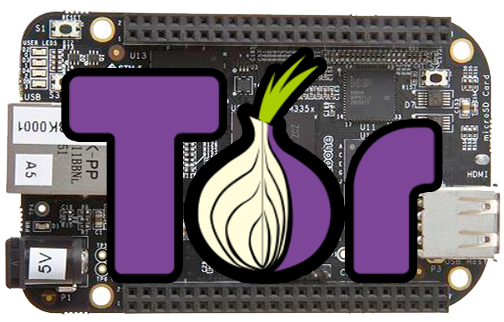
Finally, someone who didn’t have the terrible idea of grabbing another off the shelf router and putting it up on Kickstarter is doing just that. [Adam] didn’t like the shortcomings of the Anonabox and looked at the best practices of staying anonymous online. He created a Tor dongle in response to this with a Beaglebone Black.
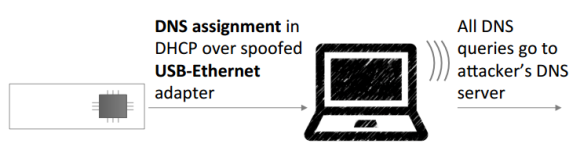
Instead of using wireless like the Anonabox and dozens of other projects, [Andy] is using the Beaglebone as a dongle/Ethernet adapter with all data passed to the computer through the USB port. No, it doesn’t protect your entire network; only a single device and only when it’s plugged in.
The installation process is as simple as installing all the relevent software, uninstalling all the cruft, and configuring a browser. [Adam] was able to get 7Mb/sec down and 250kb/sec up through his Tor-ified Ethernet adapter while only using 40% of the BBB’s CPU.