No matter what the project is about, we’re always suckers for nicely integrated builds with good fit and finish. There’s a certain appeal to rat’s nest wiring on a breadboard, and such projects are valuable because they push the limits. But eventually you need to go from prototype to product, and that’s where this IKEA window shade automation project shines.
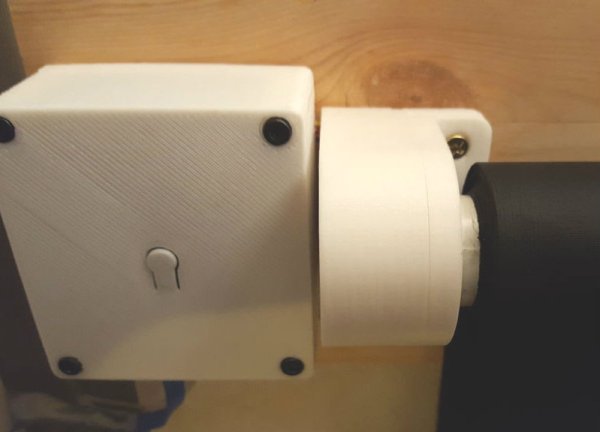
Integration is more than just putting everything in a nice box, especially for home automation gear – it really needs to blend. [ehsmaes] roller blind motorization project accomplishes that nicely with a 3D-printed case for the electronics, as well as a custom case for the geared stepper motor to drive the shade. The drive replaces the standard spring-loaded cap on the end of the IKEA Tupplur shade, and the neutral color of both cases blends nicely with the shade and surroundings. The control electronics include a NodeMCU and a motor shield; [eshmaes] warns that narrow shades work just fine off of USB power, but that wider windows will need a power boost. The IoT end of things is taken care of by MQTT and OpenHab, allowing the shades to be raised and lowered to any position. The short video below shows the calibration procedure for the shade.
Need a primer on MQTT? We’ve got you covered. Or perhaps you need to control the windows rather than the treatments.
Continue reading “Custom Parts Put IKEA Window Shades On IoT”
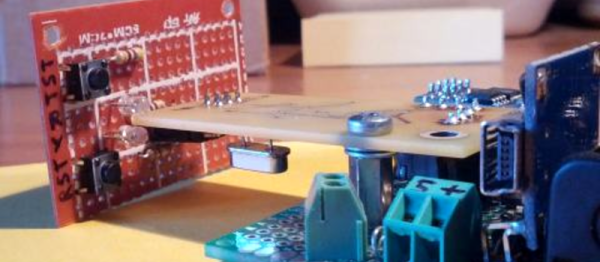
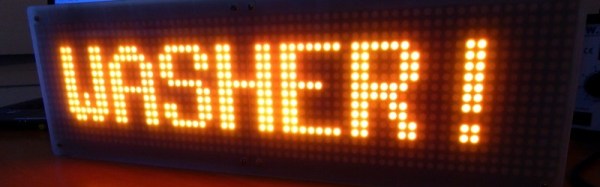
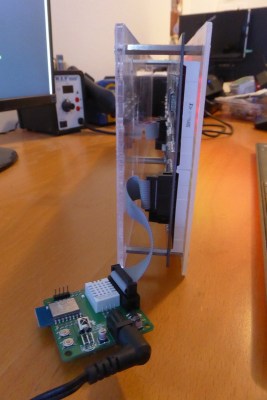 He wanted to try out SMD soldering so he built a custom PCB to hold the ESP-12, power supply, passive components, and a connector and he describes his methods and results. Instead of hardcoded messages, he wanted the system to be configurable and display messages coming in, not only from his laundry system, but also from other sensors. A web interface, built with jQuery and WebSockets, running on the ESP-12 allows the user to subscribe to a topic on the broker and show a customized name and value on the display when a payload is available.