Burning In The Siftables


[Curiouslee] put up some pictures of his Siftables burn in. He got them in the mail with all their accessories and decided to make a special box to carry it all. He started with an ArtBin parts box and cut out dividers where necessary to make everything fit nice and tidy.

The Siftables are quite interesting. They are an information interface that is supposed to be more physical and natural. The analogy they use is a container of nuts and bolts can be sifted through quite easily using your hands. They envision us being able to sift through data similarly. They also mention that it could be used as a gestural interface as well.

Continue reading “Burning In The Siftables”

Defcon 16: Covert Warballooning Flight


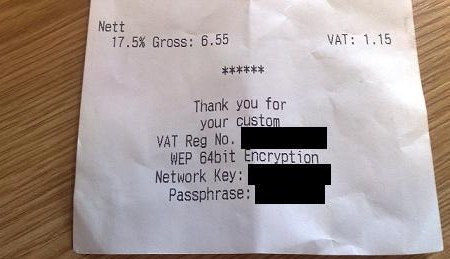
Since last month, when the Defcon warballooning event was announced, [Rick Hill] finished building his rig and even got FAA approval for the flight. Just when everything seemed set, the Riviera Hotel management decided not to allow the takeoff from their property. So, naturally, [Rick] and his team rented a moving truck and covertly inflated the balloon inside. They launched it in an abandoned parking lot and drove through the Vegas strip. They were surprised to find that about one third of the 370 wireless networks they scanned were unencrypted.

[photo: JoergHL]

[via /.]

Netgear Open Source Router


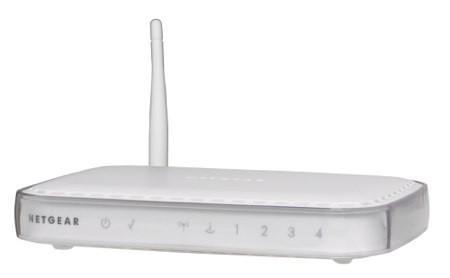
Netgear recently launched the WGR614L wireless router targeted specifically at open source firmware enthusiasts. It can use Tomato, DD-WRT, and soon OpenWRT. The core is a 240MHz MIPS processor with 16MB of flash and 4MB of RAM. You’ll probably remember when Linksys decided to dump Linux from their iconic WRT54G line in favor of VxWorks; they released the similarly speced WRT54GL for enthusiasts. Netgear seems to be arriving pretty late in the game, but they’ve set up a community specifically for this router. Time will tell whether community support is enough to make this the router of choice for hackers. We wish someone would release an x86 based router in the same price range just to make porting stupidly simple.

[via Slashdot]

Wireless Arcade Stick


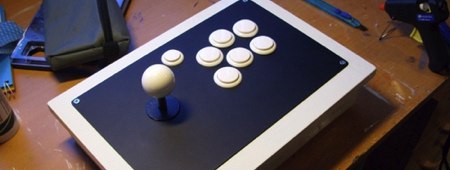
[astralpancakes] wireless arcade stick project looks like a great place to start if you want a simple project. Well constructed arcade sticks can cost $100+, but with all the MAME cabinet builders, the parts have become easy to acquire. The stick has a rigid wooden case with a metal faceplate. All of the component connections are soldered to the pads of a Logitech wireless controller. [astralpancakes] built this specifically to play Street Fighter III: 3rd Strike.

Wiretapping And How To Avoid It


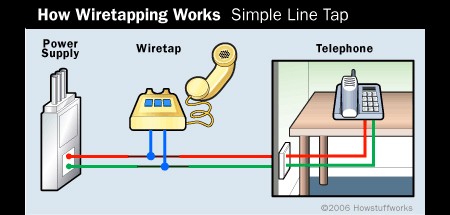
No matter who you suspect is plotting your doom, you’ll need need to know the way wiretapping works in order to learn their plans and shield yourself from their surveillance. Luckily, ITSecurity has posted a comprehensive
article about wiretapping
, including information on how to wiretap and how to find out if someone is wiretapping you.

One of the more intriguing methods of wiretapping the articles discusses is a service by a company called FlexiSPY. It works by covertly installing a program onto the target’s cellphone. Once installed, the spying party can listen to anything going on in the room the target is in by calling the phone. It won’t ring, vibrate, or give any indication that it is transmitting audio data.

Some of the more hack-oriented methods involve tapping into a landline, using special software to record VoIP calls, or buying a wiretapping kit. Of course, countermeasures, are also discussed, but some of the links they provide are a little more informative on the topic of defense against wiretapping.

Notacon 2008: Last-mile Wireless


[Mark Doner] presented on how the WISP he works for near Toledo is set up. His most important point was that 802.11 is garbage when it comes to the type of installations WISPs do. 802.11 expects the clients to adjust based on the traffic from other clients, but when all your clients are directional they won’t see each other. Mark uses Motorola’s Canopy equipment, but he also mentioned Trango and Redline as other vendors. The radios operate in the 5.7GHz band which doesn’t have any power restrictions so they can use refurbished Dish Network dishes when they’re doing long shots. For customers that are nearly at the edge of service, they have 900MHz equipment as well. Heavy fog and freezing rain have proven to be the only weather that really affects the service. For back-haul between their towers they use Dragonwave equipment. Each of the radios costs ~$350 and features GPS to determine distance and maintain sync with the AP. It was interesting to see how a good WISP operates as opposed to the flakey ones we’ve had to deal with in the past.