3D Printed Copper Rocket Nozzle Costs Under Two Grand

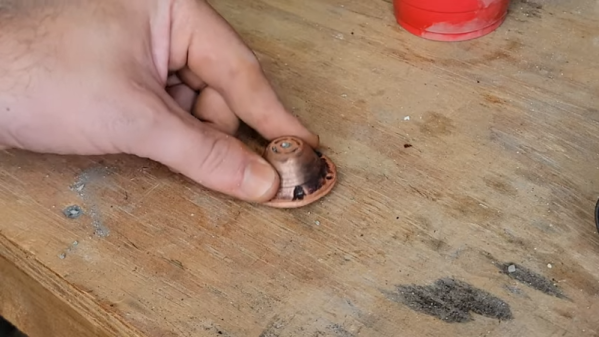
You don’t think of hobby-grade 3D printing as a good method for creating rocket nozzles. But [Mister Highball] managed to create a copper nozzle using a common printer, a kiln, and some special copper-bearing filament.

The copper filament is about 90% metal. Virtual Foundry recommends preheating it before printing and you have to sinter it in an oven to remove the plastic and leave a solid metal piece which will, of course, shrink.

Continue reading “3D Printed Copper Rocket Nozzle Costs Under Two Grand”

10 Gigabit Ethernet For The Pi

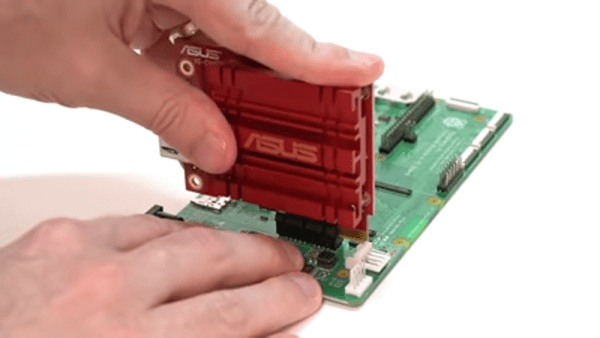
When people like Bell and Marconi invented telephones and radios, you have to wonder who they talked to for testing. After all, they had the first device. [Jeff] had a similar problem. He got a 10 gigabit network card working with the Raspberry Pi Compute Module. But he didn’t have any other fast devices to talk to. Simple, right? Just get a router and another network card. [Jeff] thought so too, but as you can see in the video below, it wasn’t quite that easy.

Granted, some — but not all — of the hold-ups were self-inflicted. For example, doing some metalwork to get some gear put in a 19-inch rack. However, some of the problems were unavoidable, such as the router that has 10 Gbps ports, but not enough throughput to actually move traffic at that speed. Recabling was also a big task.

Continue reading “10 Gigabit Ethernet For The Pi”

The Nuclear Powered Car From Ford

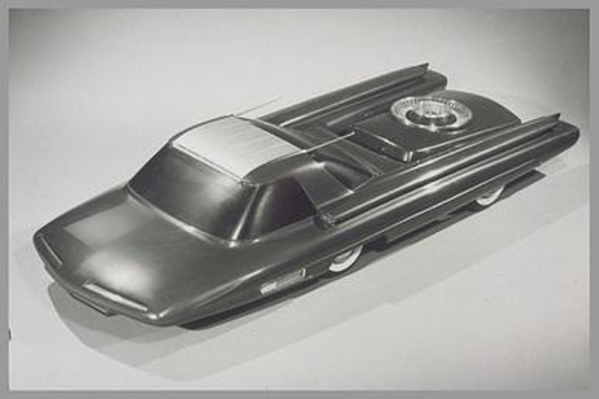
We think of electric cars as a new invention, but even Thomas Edison had one. It isn’t so much that the idea is new, but the practical realization for normal consumer vehicles is pretty recent. Even in 1958, Ford wanted an electric car. But not just a regular electric car. The Ford Nucleon would carry a small nuclear reactor and get 5,000 miles without a fillup.

Of course, the car was never actually built. Making a reactor small and safe enough to power a passenger car is something we can’t do even today. The real problem, according to experts, is not building a reactor small enough but in dealing with all the heat produced.

Continue reading “The Nuclear Powered Car From Ford”

Tech Hidden In Plain Sight: Cruise Control

The advent of the microcontroller changed just about everything. Modern gadgets often have a screen-based interface that may hide dozens or hundreds of functions that would have been impractical and confusing to do with separate buttons and controls. It also colors our thinking of what is possible. Imagine if cars didn’t have cruise control and someone asked you if it were possible. Of course. Monitor the speed and control the gas using a PID algorithm. Piece of cake, right? Except cruise control has been around since at least 1948. So how did pre-microcontroller cruise control work? Sure, in your modern car it might work just like you think. But how have we had seventy-plus years of driving automation?

A Little History

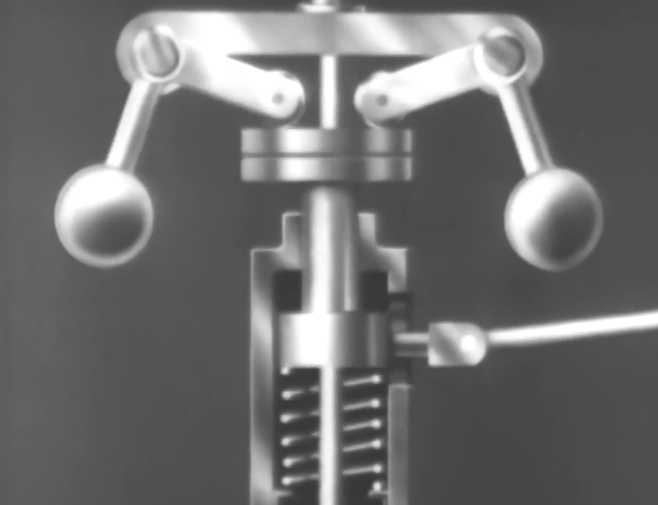
A flyball governor from a US Navy training film.

Controlling the speed of an engine is actually not a very new idea. In the early 1900s, flyball governors originally designed for steam engines could maintain a set speed. The idea was that faster rotation caused the balls would spread out, closing the fuel or air valve while slower speeds would let the balls get closer together and send more fuel or air into the engine.

The inventor of the modern cruise control was Ralph Teetor, a prolific inventor who lost his sight as a child. Legend has it that he was a passenger in a car with his lawyer driving and grew annoyed that the car would slow down when the driver was talking and speed up when he was listening. That was invented in 1948 and improved upon over the next few years.

Continue reading “Tech Hidden In Plain Sight: Cruise Control”

StarLink Terminal Unit Firmware Dumped

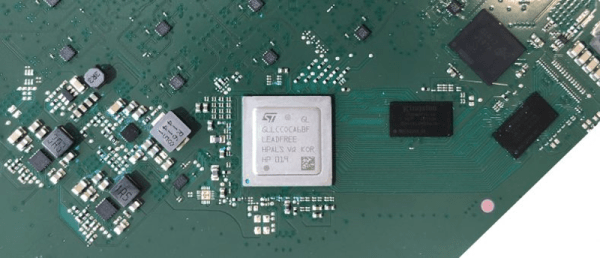
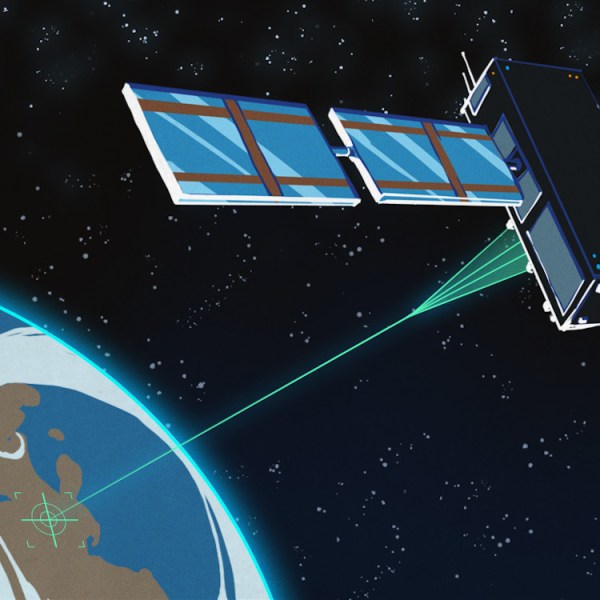
There’s a lot of expense in what telephone companies call “the last mile” — delivering service from the main trunks to your home or business. StarLink wants to avoid that cost by connecting you via an array of low-orbit satellites and some users are already using the service. In Belgium, [Lennert Wouters] managed to dump the terminal’s firmware and has some interesting observations.

The teardown is actually more than just a firmware dump. His “level 1” teardown involves exposing the board. This can be tricky because there are apparently different versions of the terminal out already, so advice from one source might not match your hardware, and that was the case here.

Continue reading “StarLink Terminal Unit Firmware Dumped”

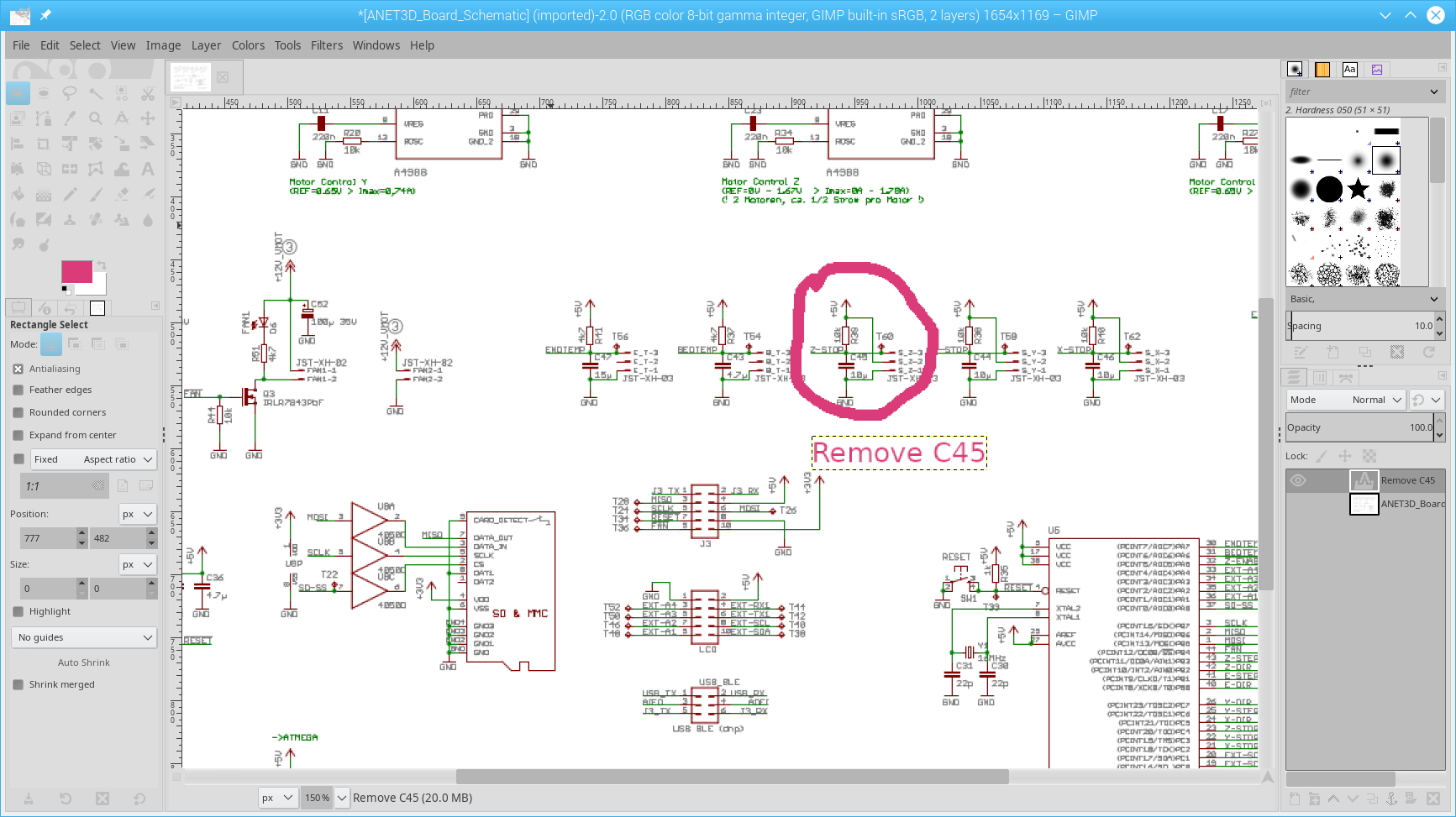
Linux Fu: PDF For Penguins

PostScript started out as a programming language for printers. While PostScript printers are still a thing, there are many other ways to send data to a printer. But PostScript also spawned the Portable Document Format or PDF and that has been crazy successful. Hardly a day goes by that you don’t see some kind of PDF document come across your computer screen. Sure, there are other competing formats but they hold a sliver of market share compared to PDF. Viewing PDFs under Linux is no problem. But what about editing them? Turns out, that’s easy, too, if you know how.

GUI Tools
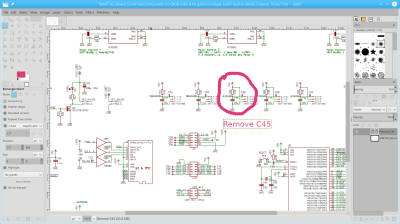
You can use lots of tools to edit PDF files, but the trick is how good the results will look. Anything will work for this: LibreOffice Draw, Inkscape, or even GIMP. If all you want to do is remove something with a white box or make an annotation, these tools are usually great, but for more complicated changes, or pixel-perfect output, they may not be the right tool.

The biggest problem is that most of these tools deal with the PDF as an image or, at least, a collection of objects. For example, columns of text will probably turn into a collection of discrete lines. Changing something that causes a line to wrap will require you to change all the other lines to match. Sometimes text isn’t even text at all, but images. It largely depends on how the creator made the PDF to begin with. Continue reading “Linux Fu: PDF For Penguins”

Lightwave Multimeter Teardown

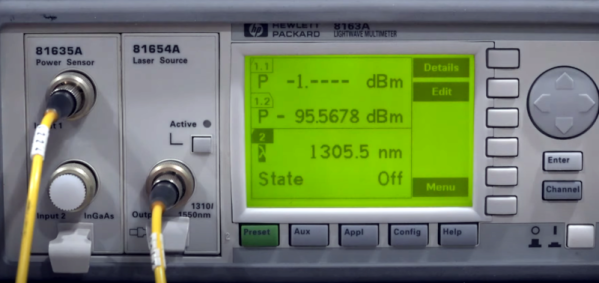
You tend to think of test equipment in fairly basic terms: a multimeter, a power supply, a signal generator, and an oscilloscope. However, there are tons of highly-specialized test equipment for very specific purposes. One of these is the 8163A “lightwave multimeter” and [Signal Path] tears one part for repair in a recent video that you can see below.

If you’ve never heard of a lightwave multimeter, don’t feel bad. The instrument is a measuring system for fiber optics and, depending on the plugins installed, can manage a few tests that you’d usually use an optical power meter, a laser or light source, and some dedicated test jigs to perform. Continue reading “Lightwave Multimeter Teardown”