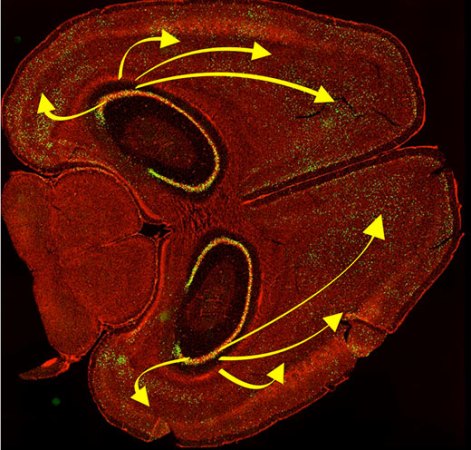
Much like using UV light to erase data from an EPROM, researchers from UC Davis have used light to erase specific memories in mice. [Kazumasa Tanaka, Brian Wiltgen and colleagues] used optogenetic techniques to test current ideas about memory retrieval. Optogenetics has been featured on Hackaday before. It is the use of light to control specific neurons (nerve cells) that have been genetically sensitized to light. By doing so, the effects can be seen in real-time.
For their research, [Kazumasa Tanaka, Brian Wiltgen and colleagues] created genetically altered mice whose activated neurons expressed GFP, a protein that fluoresces green. This allowed neurons to be easily located and track which ones responded to learning and memory stimuli. The neurons produced an additional protein that made it possible to “switch them off” in response to light. This enabled the researchers to determine which specific neurons are involved in the learning and memory pathways as well as study the behavior of the mouse when certain neurons were active or not.
Animal lovers may want to refrain from the following paragraph. The mice were subjected to mild electric shocks after being placed in a cage. They were trained so that when they were put in the cage again, they remembered the previous shock and would freeze in fear. However, when specific neurons in the hippocampus (a structure in the brain) were exposed to light transmitted through fiber optics (likely through a hole in each mouse’s skull), the mice happily scampered around the cage, no memory of the earlier shock to terrify them. The neurons that stored the memory of the shock had been “turned off” after the light exposure.
Continue reading “UC Davis Researchers Use Light To Erase Memories In Genetically Altered Mice”
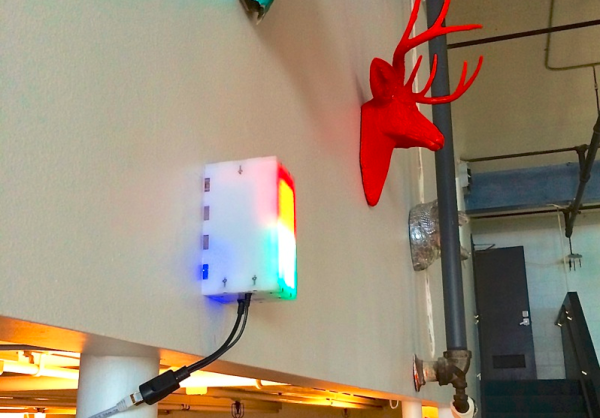
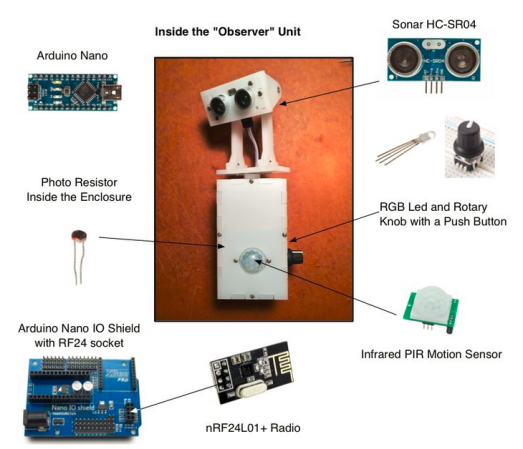 [kigster] began work on BORAT: Bathroom Occupancy Remote Awareness Technology. The initial problem was detecting bathroom occupancy. The easiest method would be to use door locks with embedded switches, much those used in aircraft. Unfortunately, modifying or changing the locks in a rented office space is a big no-no. Several other human detection systems were suggested and rejected. The final solution was a hybrid. Sonar, Passive Infrared (PIR), and light sensors work in concert to detect if a person is in the bathroom. While we think the final “observer unit” is rather cool looking, we’re sure unsuspecting visitors to the office may be wondering why a two eyed robot is staring at them on the throne.
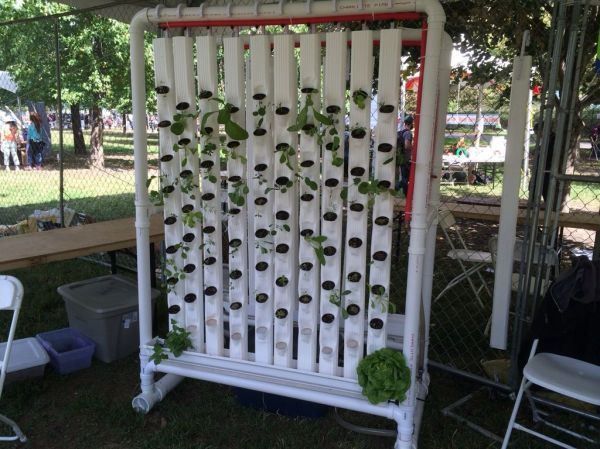
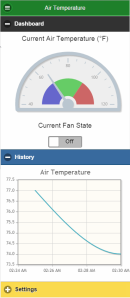 The potential urban farmer may not be super excited about tending to his crops. This is where the robot portion of the RUFS system comes into play. There are two control systems that work independently of each other. The first is for indoor applications and controls light cycles and circulation fans. The second is a little more complex and controls the watering portion of the system. Not only does it water the plants at pre-determined intervals but it also monitors the pH, nutrient and water levels inside the reservoir. Both these systems are Arduino-based. For extreme control freaks, there is one more add-on available. It’s Raspberry Pi based and has an accompanying mobile app. The Pi records and logs sensor data from the Arduinos and also allows remote updating of the watering and light schedules. The mobile app lets you not only look at current conditions of the system but also displays the historical data in a nice visual graph.