There are many places where you’d want to use remotely controlled robots, but perhaps forestry isn’t the first application to come to mind. Yet there are arguments to be made for replacing something like a big logging machine with grapple for a much smaller robot. The reduced ground pressure can be beneficial in fragile ecosystems, and removing the operator is much safer if felling a tree goes wrong.
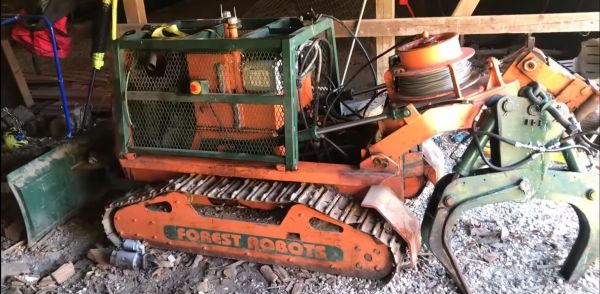
This is where a US company called Forest Robots tried to come in, with their Logg Dogg, of which [Wes] over at Watch Wes Work found a very unique prototype abandoned in a barn, courtesy of Zuckerberg’s marketplace of wonders.
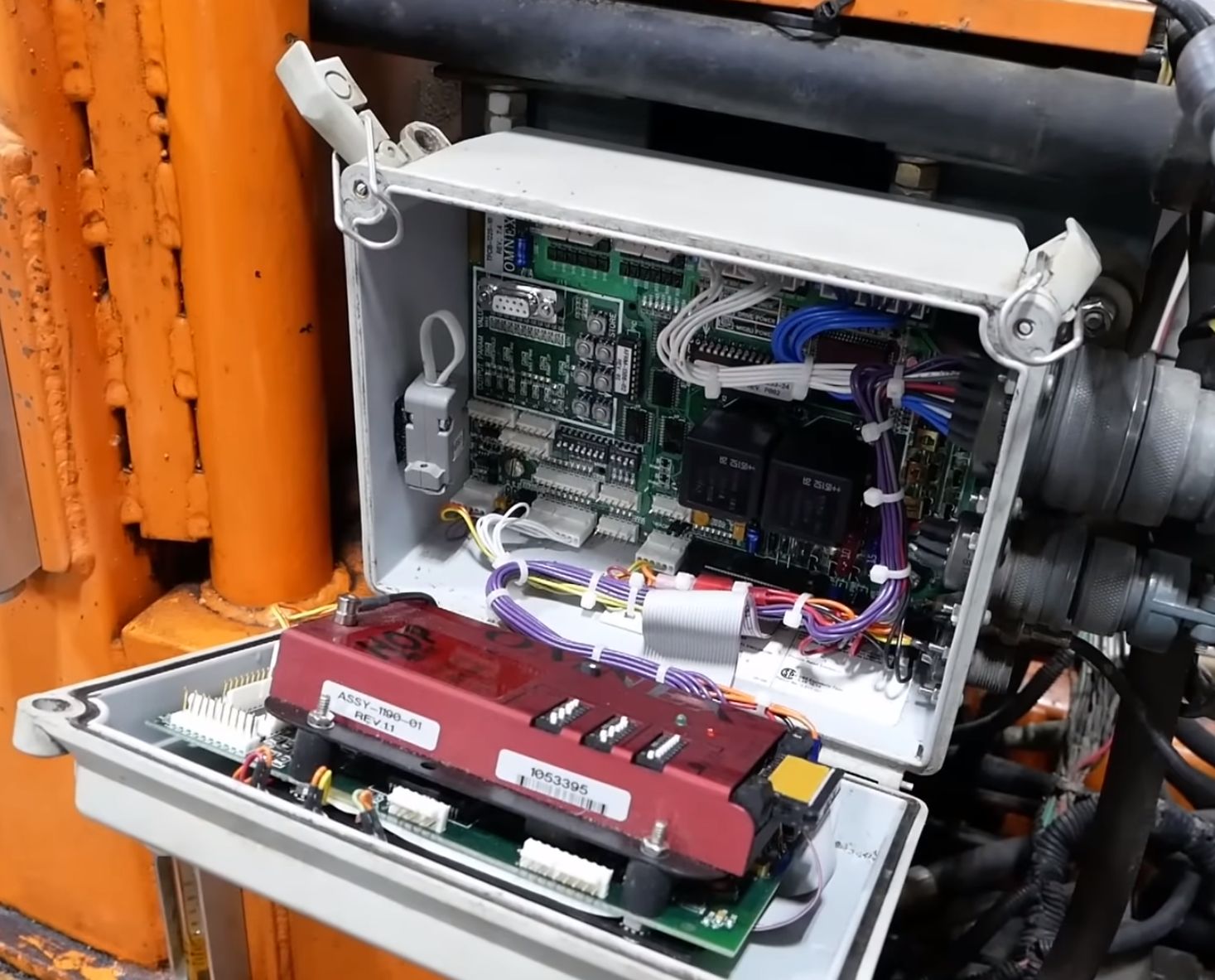
After lugging the poor abandoned robot back into a warm repair shop, he set to work on figuring out what it was that he had bought. At the time he knew only that it was some kind of logging robot, but with no model number or name on the robot, it was tough to find information. Eventually he got tipped off about it being the Logg Dogg, with even a video of the robot in action, helpfully uploaded to YouTube by [Hankey Mountain Garage] and embedded below for your viewing pleasure.
As [Wes] noticed during teardown and inspection was that it has that distinct mix-and-match feel to it of a prototype, ranging from metric and US customary bolts to both European and US/Canadian supplied components. Although it has two RF receivers on the device, no remote(s) came with the device, and the seller only knew that it was already in the barn when they purchased the place. After getting the engine working again on the robot, [Wes] contacted one of the people behind the robot: [Dean Edwards], a professor at the University of Idaho, hoping to learn more about this robot and how it ended up abandoned in a barn.
Hopefully we’ll find out in a Part 2 whether [Wes] got a response, and whether this robot will get a second chance at life. Meanwhile, in countries such as Portugal such robots are already finding significant use, including for fire protection in its forests, tackling difficult terrain more easily than humans. With forest fires an increasing risk, perhaps the Logg Dogg and kin could find a use there.
Continue reading “The Logg Dogg: How A Mysterious Logging Robot Leads Down Twisting Forestry Paths”