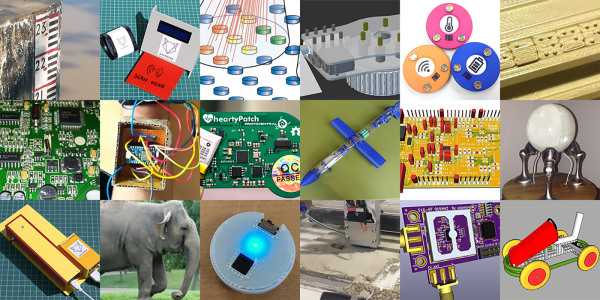
Today we’re excited to announce the winners of the Design Your Concept phase of The Hackaday Prize. These projects just won $1000 USD, and will move on to the final round this fall.
Hackaday is currently hosting the greatest hardware competition on Earth. We’re giving away thousands of dollars to hardware creators to build the next great thing. Last week, we wrapped up the first of five challenges. It was all about showing a design to Build Something That Matters. Hundreds entered and began their quest to build a device to change the world.
There are still four more challenges to explore over the next few months. So far the results have been spectacular. But we’re only a fifth of the way through the Hackaday Prize. So as you celebrate and congratulate the twenty projects below, there’s ample opportunity to get in the game with your own project.
The winners for the Design Your Concept portion of the Hackaday Prize are, in no particular order:
Design Your Concept Hackaday Prize Finalists:
- 3D printed manual mini Lathe
- Elephant AI
- Earthquake validation gadget
- Open source underwater glider
- Analysis and control of hand tremor
- EVPR: Electric Variable Pitch Rotor
- Early and low cost detection of Heart Failure
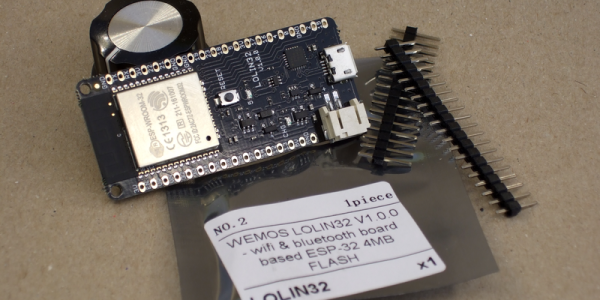
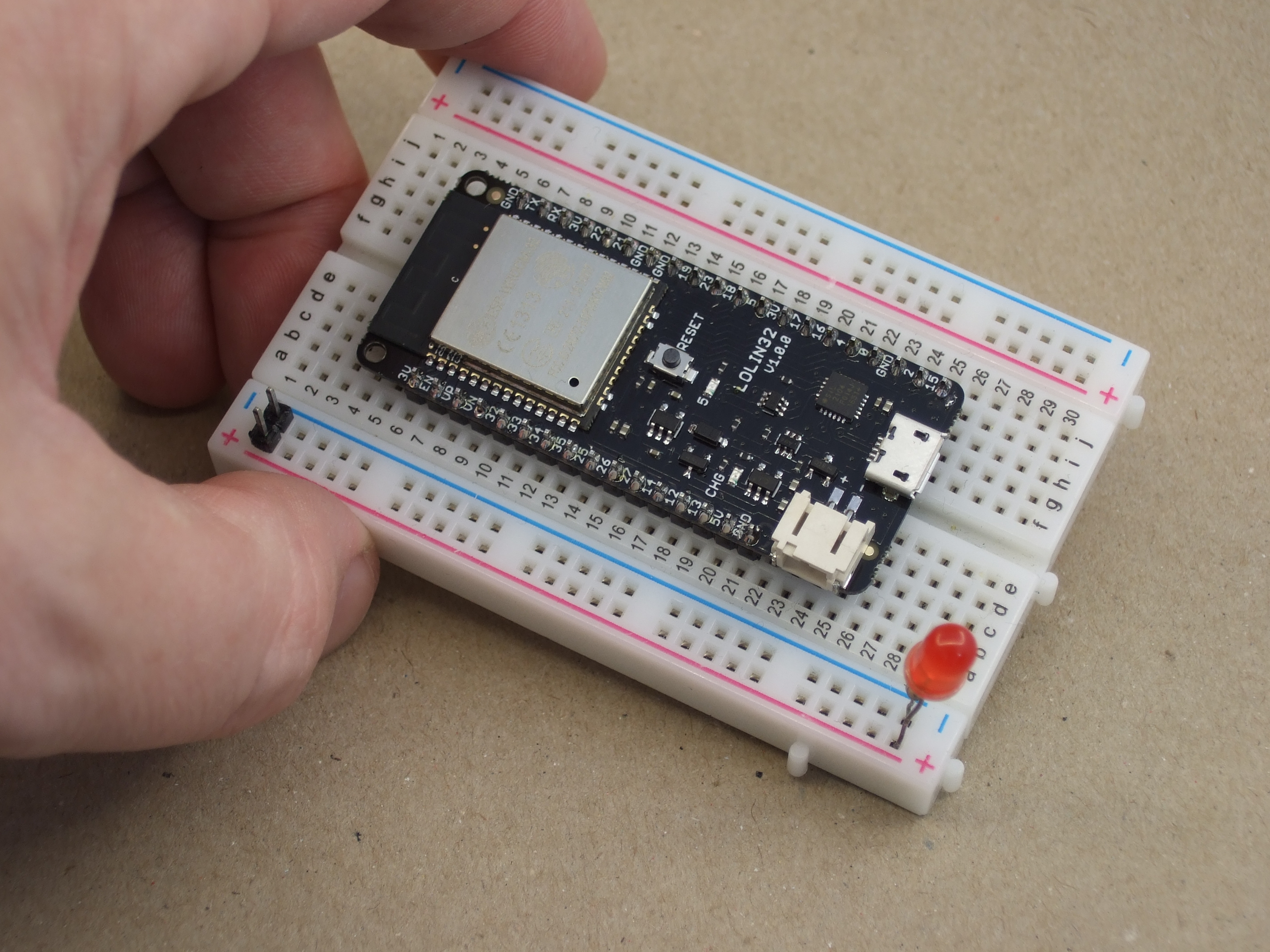
- HeartyPatch: A single-lead ECG-HR patch with ESP32
- Braille Compact Printing Press
- S1G RF: Sub 1GHZ Radio Modules 915MHZ and 433MHZ
- Refugee reuniter
- Cell Phone Signal Repeater / Booster / Femtocell
- Printing bones on a DIY powder bed 3d printer
- ScottCar A Go-Kart for a special child
- Cosmic Array
- BreatheDot: A Portable Meditation Aid
- Affordable Water Level Measuring Station
- SnapBloks
- CEMN – Community Engagement Mesh Network
- Device for Seismic Noise Analysis
Continue reading “These Twenty Designs Just Won $1000 In The Hackaday Prize”


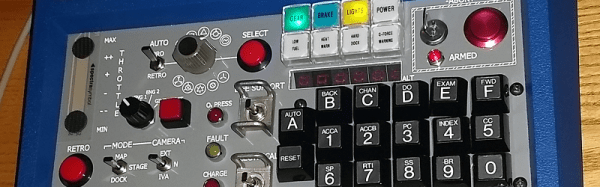
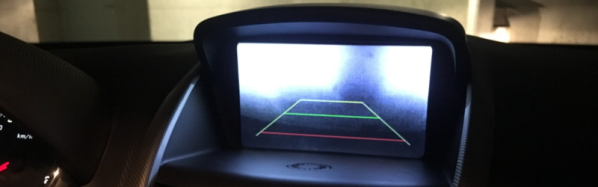
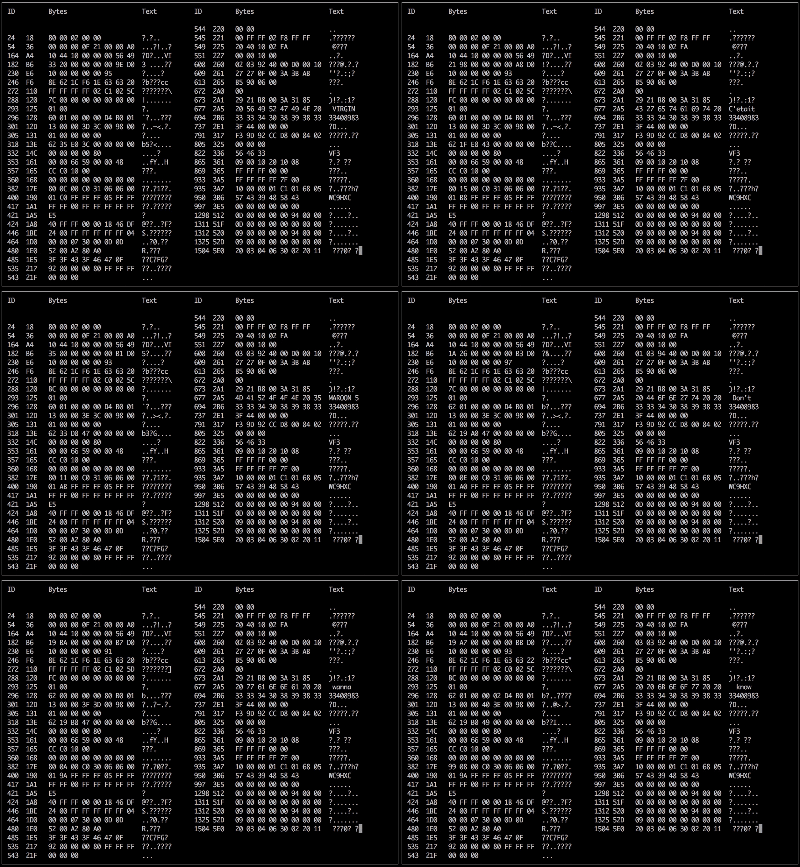 Adding the camera was the easiest part of the exercise when he found an after-market version specifically meant for his 207 model. The original non-graphical display had to make room for a new HDMI display and a fresh bezel, which cost him much more than the display. Besides displaying the camera image when reversing, the new display also needed to show all of the other entertainment system information. This couldn’t be obtained from the OBD-II port but the CAN bus looked promising, although he couldn’t find any details for his model initially. But with over 2.5 million of the 207’s on the road, it wasn’t long before [Alexandre] hit jackpot in a French University student project who used a 207 to study the CAN bus. The 207’s CAN bus system was sub-divided in to three separate buses and the “comfort” bus provided all the data he needed. To decode the CAN frames, he used an Arduino, a CAN bus shield and a python script to visualize the data, checking to see which frames changed when he performed certain functions — such as changing volume or putting the gear in reverse, for example.