PS3 Hacked!

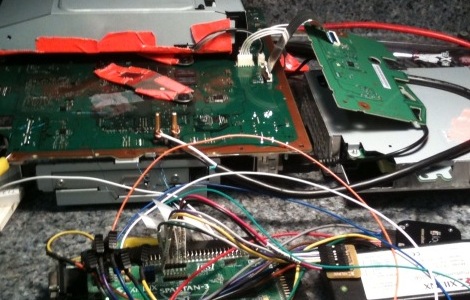
There is very little information out at the moment, but [geohot] has successfully hacked the PS3 to have full read and write access, bypassing the Hypervisor. At the moment he’s not revealing the exploit, but with this knowledge it wont be long before the PS3 finally gets whats coming. Keep track of [geohot’s] progress on his twitter, @geohot, and blog.

[Thanks Jack, Julio, Jeremy, Squisso, and Vor]

Hackaday Links: Sunday January 24

Everyone Remembers Free day right? [The Ideanator’s] Bus Pirate came in such a nice red box – he decided to make it his permanent case.

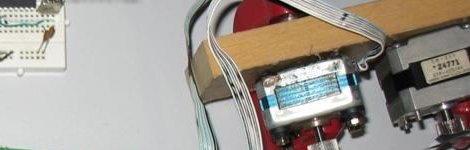
[Chico] is in the middle of making a CNC, but decided to make some music with the steppers in the mean time.

What looks like an old wooden box is actually [Ludvig’s] super sweet retro arcade cabinet. Complete with a giant emergency stop red button.

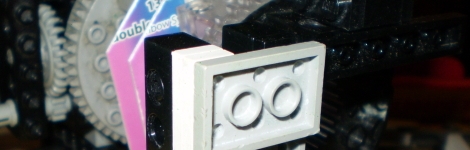
Who says Legos are dead? [Carl] used them to create a simple and cheap diffraction grating projector. Including video!

[Torchris] used an Ethernet shield exactly as it was designed, sending data over Ethernet. Still a nice hack for those needing help working with Ethernet shields and Arduino.

Finally [Robert] let us know about a friends Arduino Binary Clock. But we think his elegant use of tape and a sand blaster to engrave glass is cooler.

IPhone Look-alike On Your Kitchen Wall

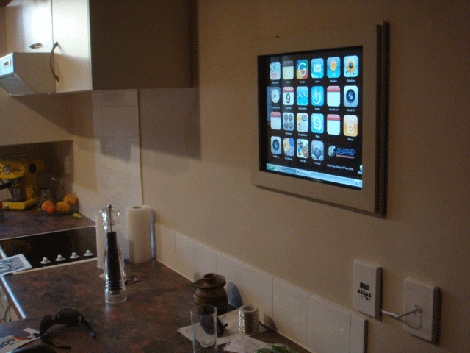
[Ryan] and his wife wanted to have a touchscreen interface in the kitchen to store their recipes and for various music, video, and Internet entertainment. We know where they’re coming from, we’re quite tired or cleaning flour (or worse!) off of our palm pilot screen after baking. The display you see on the wall is just the interface, a computer is stored in the cabinet below the counter. He’s running Windows 7 and using a custom graphic interface which is intended to mimic the looks of the iPhone. He’s sharing the UI as open source and has just started a forum for those interested in trying it out and adding to the available features.

One thing we noticed in his writeup, he prototyped this with an old 2 GHz computer but upgraded the hardware because it was too slow. This pushed to total build price to about $1350 USD. We can’t help but mention that using a Linux based system may have saved him from the upgrade. We know there’s some extremely powerful media software that runs on light hardware specs.

[Thanks Hannah]

C64 Interface For Your Computer

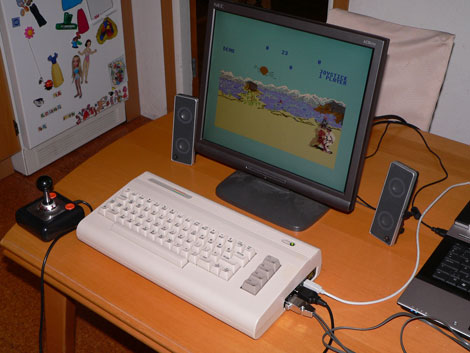
Before we get started, lets just point out that this C64 was broken. He did not take a functional C64 out of operation for this. What he did do, was to build a hardware interface for for his VICE system. For those unfamiliar, VICE is a cross platform C64 emulator. [Simon] points out that the old games just weren’t as much fun without the original hardware. Having a broken C64 lying around, he put it to good use. It now acts as the interface for all the original fun stuff.

If you are a fan of the hardware, but just want to interface it as a normal USB keyboard, that is possible as well.

Ideas Based On Photo Frame Clock

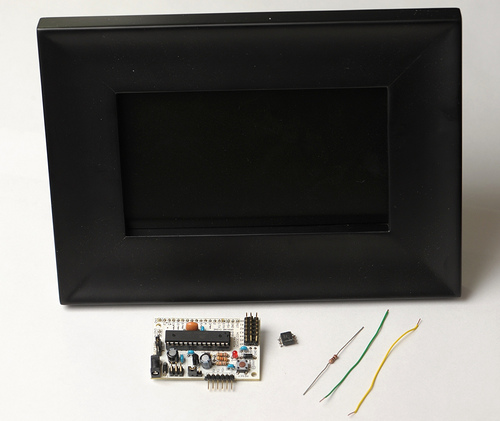
[Mahto] bought a digital picture frame but the image quality turned out to be terrible. He decided to turn it into a clock in a unique way. He loaded up 720 images, one for each minute in a twelve hour period. He then used an Arduino to simulate a button once a minute, cycling to the next image.

This is a simple solution and it works. Visions of hardcore hacks danced through our head when we first looked at this. We’re wondering if there is a way to inject image data into the frame’s memory? How about rewriting the SD card location where the image file that’s currently being displayed is stored, then having the frame reload the picture? Those are projects for a snowy weekend, but we’re sure that [Mahto] finished this hack long before we would have because he kept it simple.

Sooner or later we’re going to need a category for all of these clock hacks.

[Thanks Drone]

LCD Backlight Repair

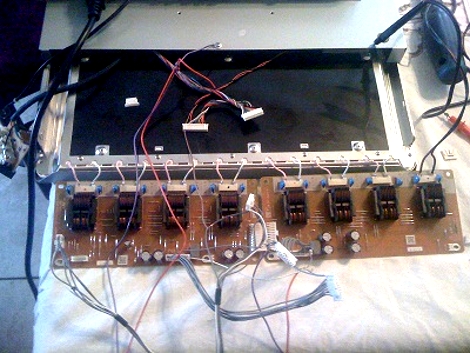
Another broken LCD TV came [Steve DiRaddo’s] way. This one had a broken backlight that he wanted to fix. He scrapped his LCD light table in order use the inverter. The two televisions were not the same size, nor made by the main manufacturer, but backlights all operate under the same principles. Using an inverter from a bit larger model meant it would have enough power to illuminate the lamps but he knew there’d be a problem with connectors and pinouts. After a bit of testing and creative wiring he got the system back up and running.

He’s got some extra parts left over from each TV including a bunch of CCFL lamps. Sound like it’s time to add some ground effects to his bike.