[via Engadget]
[via Engadget]

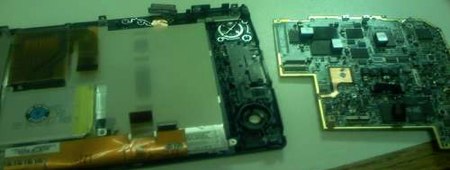
[blakebevin]’s sister shattered the screen on his Amazon Kindle, so he decided to try replacing it with the screen from a Sony Reader. He disassembled the Sony Reader and used a Dremel to mill down most of the aluminum tabs on the E Ink screen. The screen plugs into the same harness as the original Kindle screen the only problem is fit. The new screen interferes with some of the button movement and without trimming the case will bulge a little. Performance wise the screen ghosts on page turn and [blakebevin] assumes this is due to older technology. We’d hope to never have to do this, but it’s good to know the transplant option is there and not very difficult.

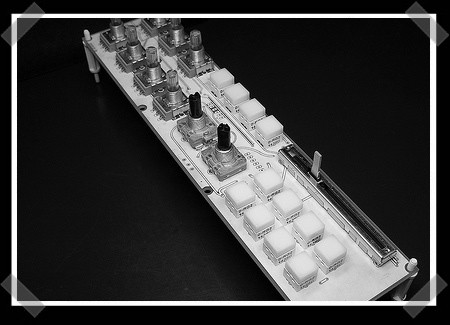
[D.St-Amand] is designing the SyncMaster, a compact modular midi controller, from scratch. The design focuses on a modular build where you can swap out pieces like the one pictured above to achieve different layouts. Not only is it modular, but its very compact. Shown next to some common competitors, it looks very sleek.
Development seems to be moving forward, the pictures have been updated frequently. Lets hope to see a fully functional demo some time soon. Some more detailed information on the build might be nice as well. This may remind you of our story on MachineCollective. While there are similarities in that they’re modular, SyncMaster appears to be a much more polished and portable product. Keep us updated [D.St-Amand].

In an act of delicious over kill, these guys threw a pizza into an industrial laser cutter. The result? Exactly what you would expect. Smoke, giggles and perfectly cut pizza. It looks like the cheese stuck together a bit after the laser cut, but that happens with normal pizza cutters too.
[via DVICE]

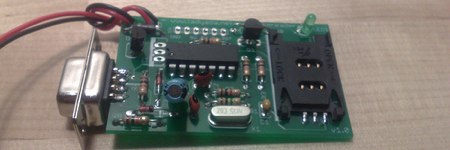
Adafruit Industries sent us one of their SIM Reader kits a few weeks ago to test. Assembly was a breeze thanks to the through hole components and good documentation. We plugged it into our USB -> RS232 converter and tried out the provided pySimReader software. It worked fine, but our modern SIM card out of an N95 didn’t prove very interesting. It was too new to attempt cloning and being a smart phone it doesn’t rely on the SIM for storing anything unless you specifically tell it to. The story was the same for a SIM we pulled out of a Treo. We tried the device with [Dejan]’s SimScan and a copy of Woron Scan. Both worked without any issue. Conclusion: the device works great despite us lacking anything interesting to do with it.

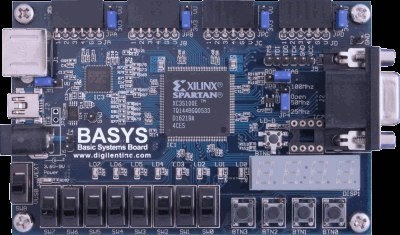
The Polytechnic Institute of NYU is hosting an interesting embedded systems contest. They’ve constructed a solid state cryptographic device that uses a 128-bit private key. Contestants will be tasked with designing and implementing several trojans into the system that will undermine the security. The system is built on a Digilent BASYS Spartan-3 FPGA board. The trojans could do a wide variety of things: transmitting unencrypted, storing and transmitting previously entered plain text, or just shutting down the system entirely. The modified devices still need to pass the factory testing procedure though, which will measure power consumption, code size, and function. After a qualification round, participants will be given the necessary hardware to compete.
[via NYC Resistor (Happy Birthday!)]

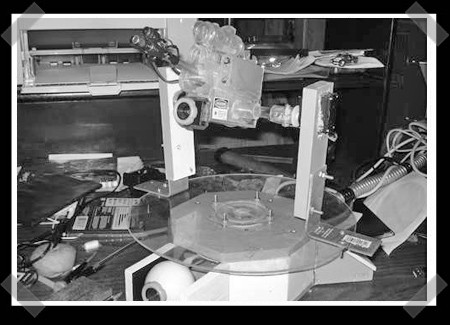
Hot on the heels of the Wii missile launcher, Das Uber Airsoft Gun Turret is here to put our past airsoft turrets to shame. Made by [Miltron_B], this autonomous beast not only has gorgeous LED indicators, it has lasers. Three of them. Three freaking lasers. Take a moment to wipe the drool from your chin.
We’ve seen plenty of turrets before, but this one really excels in design. It features two webcams for more precision detection and tracking and when set to manual mode, it can be controlled with an XBox 360 controller. He’s posted great pictures of the process with a step by step break down. Tons of useful links are included to help you out.
Someone should construct a Portal sentry gun case for this thing and add voice clips.