Weather Clock

[Sean_Carney] build this clock that tells the weather instead of the time. The two hands display the current conditions and the temperature. Forty below zero seems amazingly cold if you’re on the Fahrenheit scale but [Sean’s] from Winnipeg so he’s operating on the Celsius side of things.

Two servos move the hands to match the data scraped off of the Internet. An Arduino does the scraping with the help of an Ethernet shield. This reminds us of the Harry Potter clock that tells a persons location.

[via Flickr]

Amazing Chassis Hacks

[Crabfu] pulled off some great chassis work on top of a remote control drivetrain. His most recent build turns the tiny traveler into a lunar rover complete with passenger and a communications array. For this he’s sourced the parts from a toy but boosted the realism with hand-painted details that leave us in awe. His previous project sourced the body from a model truck kit. Once again, it’s the paint work that makes us envious of his skills.

Both projects conceal a Losi 1/24 scale micro rock crawler that provides for some incredible locomotion. See video of both builds after the break.

Continue reading “Amazing Chassis Hacks”

Steampunk Nixie Clock

This single-digit Nixie clock is a thing of beauty. You might hate Steampunk or you might love it, but you have to respect projects where the design gets equal (or more) consideration compared to the function. The electronics used in the project build upon an existing single Nixie design. Instead of hiding the guts inside the clock the PCB has been laid out to augment the design. We think [Blue Metal] hit it out of the park with this one!

Kodak Digital Frame Vulnerability

Kodak managed to release a product with a big fat security vulnerability. [Casey] figured out that the Kodak W820 WiFi capable digital frame can be hijacked for dubious purposes. The frame can add Internet content as widgets; things like Facebook status, tweets, and pictures. The problem is that the widgets are based on a feed from a website that was publicly accessible. The only difference in the different feed addresses is the last two characters of the frame’s MAC address. Feeds that are already setup can be viewed, but by brute-forcing the RSS link an attacker can take control of the feeds that haven’t been set up yet and preload them with photos you might not want to see when you boot up your factory-fresh frame.

It seems the hole has been closed now, but that doesn’t diminish the delight we get from reading about this foible. There’s a pretty interesting discussion going on in the thread running at Slashdot.

[Photo credit]

LEGO Robot Lays Dominoes Not Eggs

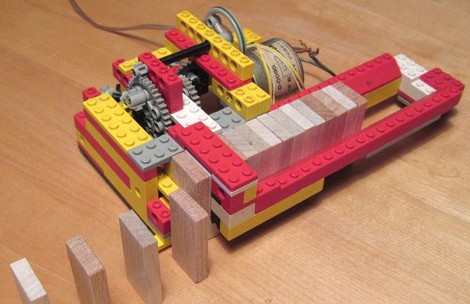
[Mattias] brings the awesome once more with his LEGO robot that sets up dominoes. You’ll remember his work from the wooden keyboard case and the mechanical binary adder. This time around he’s still exercising those woodworking skills by making his own domino tiles, but it’s the robot that makes this interesting. In the must-see video after the break the device lays perfectly straight, perfectly spaced dominoes just begging to be upset by a spoiled toddler. The robot is nothing more than handful of LEGO parts powered by a tape deck motor. The parts may be meager, but there’s an abundance of ingenuity tied up in the design.

Continue reading “LEGO Robot Lays Dominoes Not Eggs”

Cold Climate Solar Water Heater

Here’s a solar water heater setup that augments your home’s water heater instead of replacing it. The system monitors a solar collector panel on the roof for temperature. If the temperature is warm enough, a photo voltaic cell powered pump circulates cold water through the system. The heated water returns to the top of the home’s water heater. Unlike the warm-climate solar heater we saw earlier, this one can withstand freezing because it uses silicone tubing in the collector.

[Thanks Marius]

Beginner Concepts: Binary-coded Decimal

A rudimentary understanding of digital logic and simple integrated circuits is critical if you’re ever going to pull off some really gnarly hacks. [Daniel] put together an explanation about the use of 4511 BCD 7-segment drivers. These chips take binary data in and output decimal data to a 7-segment LED display. In short, they can read 0b1001 from input pins and light the numeral ‘9’ on the display. The best part is that you can build this example circuit in the Atanua logic simulator without ordering parts. We love zero-cost learning!