Hack Your Customer Service Rep


Hacks come in all forms, and psychological hacks are no different. [Noah Goldstein], a behavioral scientist at the University of Chicago, has written a book in which he details scientifically proven methods of persuading others. One of these methods stands out as being particularly useful at alleviating one of the most aggravating aspects of modern life: dealing with customer service representatives over the telephone.

The trick? Be nice, compliment the rep on doing a good job, and offer to write a letter of recommendation. Since it stands to reason that the customer service rep is probably having a crappier day than you (imagine having to talk to a hundred annoyed people five days a week and you’ll get the idea), making the rep feel appreciated is likely to make them want to do more for you in return.

[photo: brycej]

[via BoingBoing]
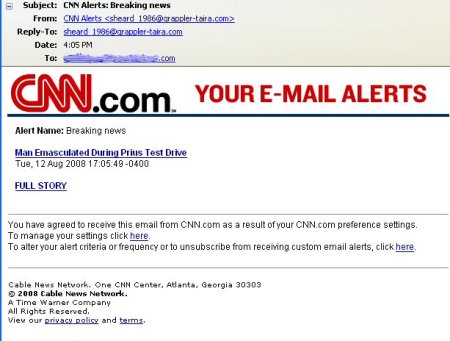
Antivirus Products Still Fail On Fresh Viruses


Many computer users rely on antivirus software from McAfee and Symantec to protect their computers from malware, worms, and viruses. Since the creation of viruses outpaces the protection abilities of the software, antivirus protection lags behind and may not be as secure as you think. [Gary Warner] provides some examples of current malware making the rounds that continue to be unaddressed by anti-virus vendors, including the recent “CNN Alerts: Breaking News” spam, which morphed into MSNBC alert spoofs. Our advice? Keep your antivirus software updated, but don’t believe that it will catch everything for you. Only open files from sources you know and trust.

[via Waxy]

Criminals Steal Credit Card Data Just By Wardriving

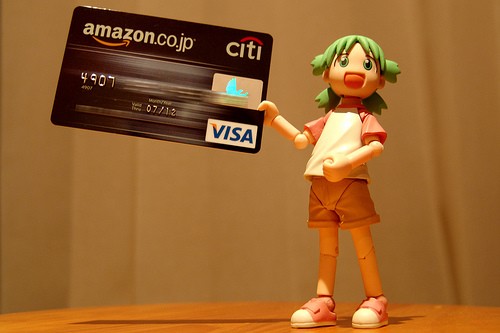
Anime doll holding VISA card
A federal grand jury in Boston has charged eleven people with the theft of more than 41 million credit and debit card numbers from retail stores. What makes this case interesting is that, although the defendants stole the data from retail establishments, they did so without ever having to leave their cars; they stole the numbers while wardriving. While the report doesn’t make it clear whether the targeted networks used weak encryption or were simply unsecured, it’s obvious that the security of your data is still not a top priority for many companies.

[photo: Mujitra]

Wiimote Missile Launcher


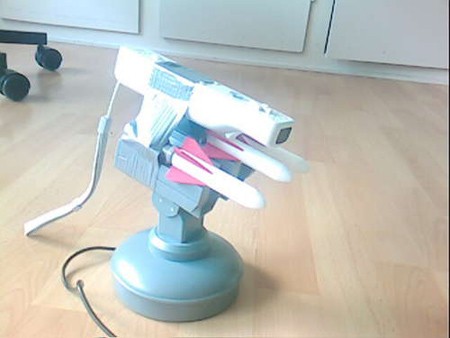
[toelle] has shown yet another use for the Wiimote by having it auto aim his USB missle launcher. The bill of materials is pretty simple: a Wiimote, a motorized USB missile launcher, some duct tape and glovepie.

Simply tape the Wiimote to the missile launcher, install glove pie and follow his instructions for some custom code and off you go. He goes in depth on how to connect the Wiimote to the PC, as well as details on how the custom code works. It only tracks IR targets right now, which is a bit of a bummer, but that would see TV remotes right?

Is there any way this could be combined with the sonar controlled missle launcher that we covered in July?

[via Hack N Mod]

Plotter Made Entirely From Lego


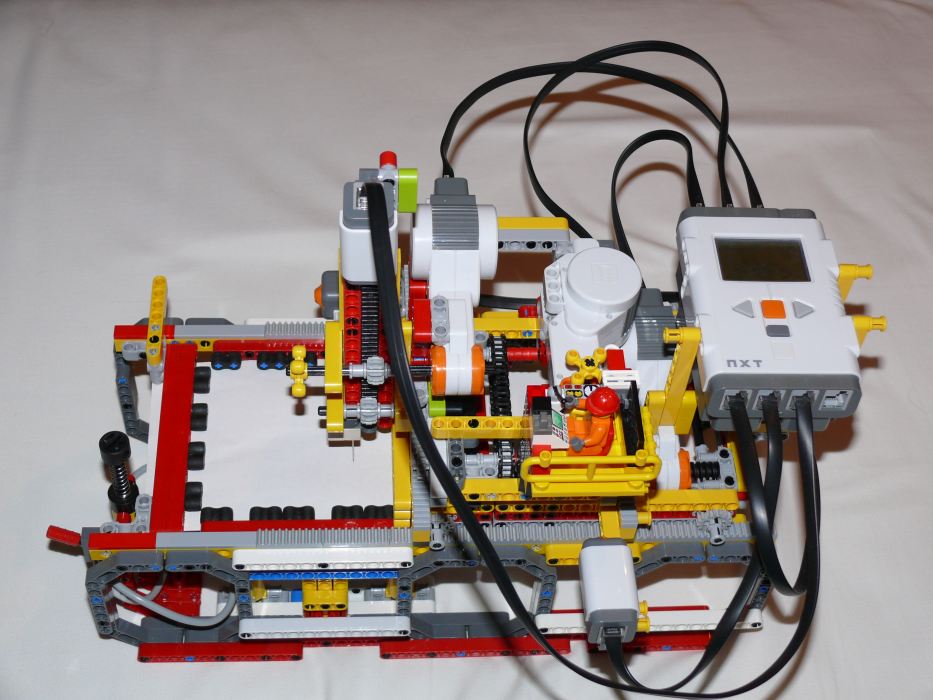
Check out this awesome tool that [Alfonso Martone] built and wrote in to tell us about: a pin plotter made entirely from Lego (except for the addition of a pin in one brick). [Alfonso] has managed to get 33dpi resolution with a “printable” area of 90x70mm. The NXT device reads 1bit bitmapped images in PBM format and outputs onto a sheet of paper, which is held in place by Lego pneumatics pushing against rubber Lego bricks. Output is not what you might call speedy, though: it takes 35-40 minutes to output a drawing with 1,500 holes.

Continue reading “Plotter Made Entirely From Lego”

Biometric Locks Turned Trojan


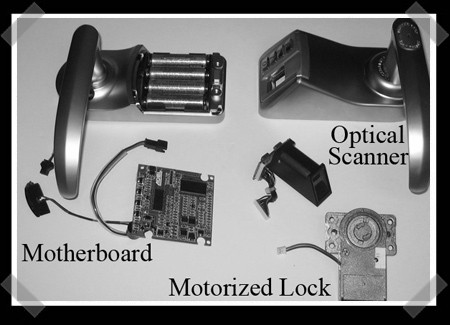
In the same vein as our recent Defcon article on biometric cloning, White Wolf Security has released this article about turning a biometric door lock into a trojan. They note that there are many common ways to break into one, from harvesting fingerprints to using gummy bears to fake a finger. This hack involves having full access to the unit so you can disassemble it.

The unit has a system built-in where you can touch a 9-volt battery to some connectors on the bottom to power it in case of a building power failure. The researchers simply routed some wires from the motorized lock to the plates used for the 9-volt and then reassembled the lock. The door can then be opened at any time without verification, even if the software on the unit is reset.

[Thanks, dwight]