Friday Hack Chat: Fashion! (Turn To The Left)

An underappreciated facet of the maker movement is wearable technology. For this week’s Hack Chat, we’re going to be talking all about wearable and fashion tech. This includes motors, lighting, biofeedback, and one significantly overlooked aspect of wearables, washability.
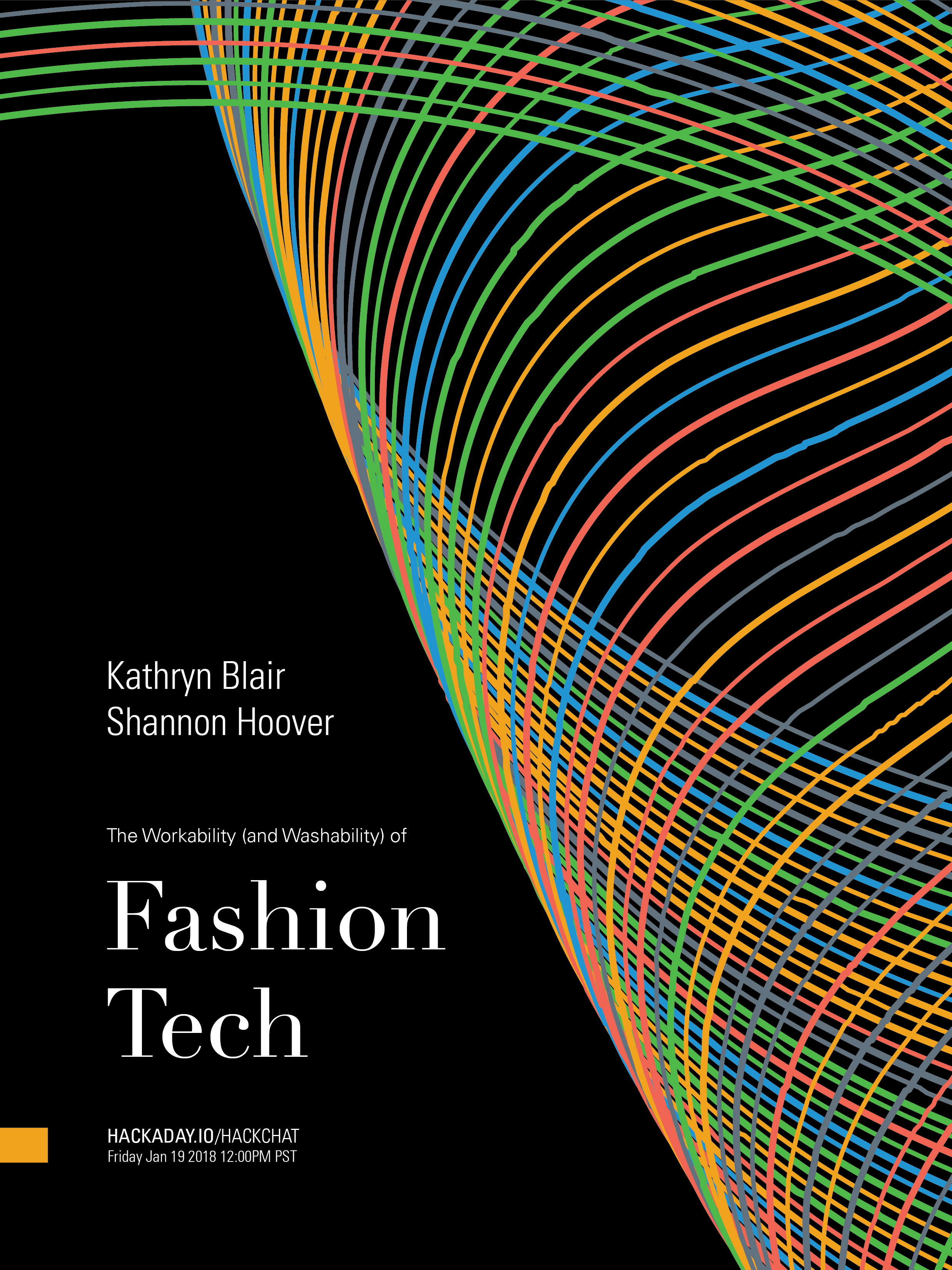
For this week’s Hack Chat, we’re sitting down with Kathryn Blair and Shannon Hoover to talk about the workability and washability of fashion tech. Over the last decade or so, wearable tech has become ever more popular, and these advances in the science aren’t just limited to amazing outfits lined with hundreds of Neopixels. Now, we’re dealing with biofeedback, clothing that regulates your body temperature monitors your vital signs, and necklaces that glow when the sun goes down.

Kathryn and Shannon are part of the team behind MakeFashion, a Calgary-based outfit that has produced over 60 wearable tech garments shown at 40 international events. MakeFashion is introducing designers to wearables through a series of hands-on workshops built around developing wearable electronics and electronic wearables.

One of the key technologies behind MakeFashion is the StitchKit, a development kit that’s now available on Kickstarter designed to add electronics to wearables. This means everything from uglier Christmas sweaters to interactive clothing.

During this Hack Chat, we’re going to be discussing the design and engineering behind fashion technology, including biofeedback, how motors and lighting work with a human body, and how to design for washability. If you have a question for this Hack Chat, add it to the discussion part of the event page.

join-hack-chat

Our Hack Chats are live community events on the Hackaday.io Hack Chat group messaging. This Hack Chat is going down Friday, January 19th at noon, Pacific time. Time Zones got you down? Here’s a handy countdown timer!

Click that speech bubble to the left, and you’ll be taken directly to the Hack Chat group on Hackaday.io.

You don’t have to wait until Friday; join whenever you want and you can see what the community is talking about.
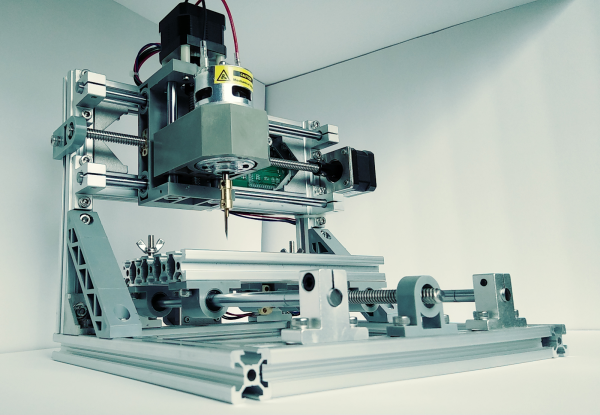

Review: LinkSprite Mini CNC

It’s a great time to be a hobbyist. No matter how you feel about the Arduino/Raspberry Pi effect, the influx of general enthusiasm and demand it has created translates to better availability of components, a broader community, and loads of freely available knowledge. When people have access to knowledge and ideas, great things can happen. Tools that were once restricted to industrial use become open source, and the price of entry-level versions goes into a nosedive.

As we’ve seen over the last several years, the price of cheap 3D printers keeps falling while the bar of quality keeps rising. It’s happening with laser cutters and carving tools, too. Strolling through Microcenter a few weeks ago, I spotted a new toy on the back wall next to the 3D printers. It was LinkSprite’s desktop mini CNC. They didn’t have one out on display, but there were two of them in boxes on the shelf. And boy, those boxes were small. Laughably small. I wondered, could this adorable machine really be any good? To some, the $200 price tag suggests otherwise. To me, the price tag made it justifiable, especially considering that the next price point for a hobby CNC mill is at least twice as much. I took my phone out and stood there frantically looking for reviews, documentation, anything that was available. It seemed that the general, if sparse consensus is that this thing isn’t a total waste of money. Oh, and there’s a wiki.

According to LinkSprite’s wiki, this little machine will engrave wood, plastic, acrylic, PVC, and PCBs. It will specifically not engrave metal (PCB copper notwithstanding). I’m a bit leery of the chemicals used in the PCB etching process, so the idea of engraving them instead was especially tempting. I pulled the trigger.

Continue reading “Review: LinkSprite Mini CNC”

Win Big Prizes With Repairs You Can Print

Another month, another contest, and this time we’re looking for the best 3D printed repairs you’ve built.

The Repairs You Can Print Contest on Hackaday.io is a challenge to show off the real reason you bought a 3D printer. We want to see replacement parts, improved functionality, or a tool or jig that made a tough repair a snap. Think of this as the opposite of printing low poly Pokemon or Fallout armor. This is a contest to demonstrate the most utilitarian uses of a 3D printer. Whether you fixed your refrigerator, luggage, jet engine, vacuum cleaner, bike headlight, or anything else, we want to see how you did it!

The top twenty projects in the Repairs You Can Print contest will be rewarded with $100 in Tindie credit. That’s a Benjamin to spend on parts, upgrades, and components to take your next project to the next level!

Students and Organizations Can Win Big

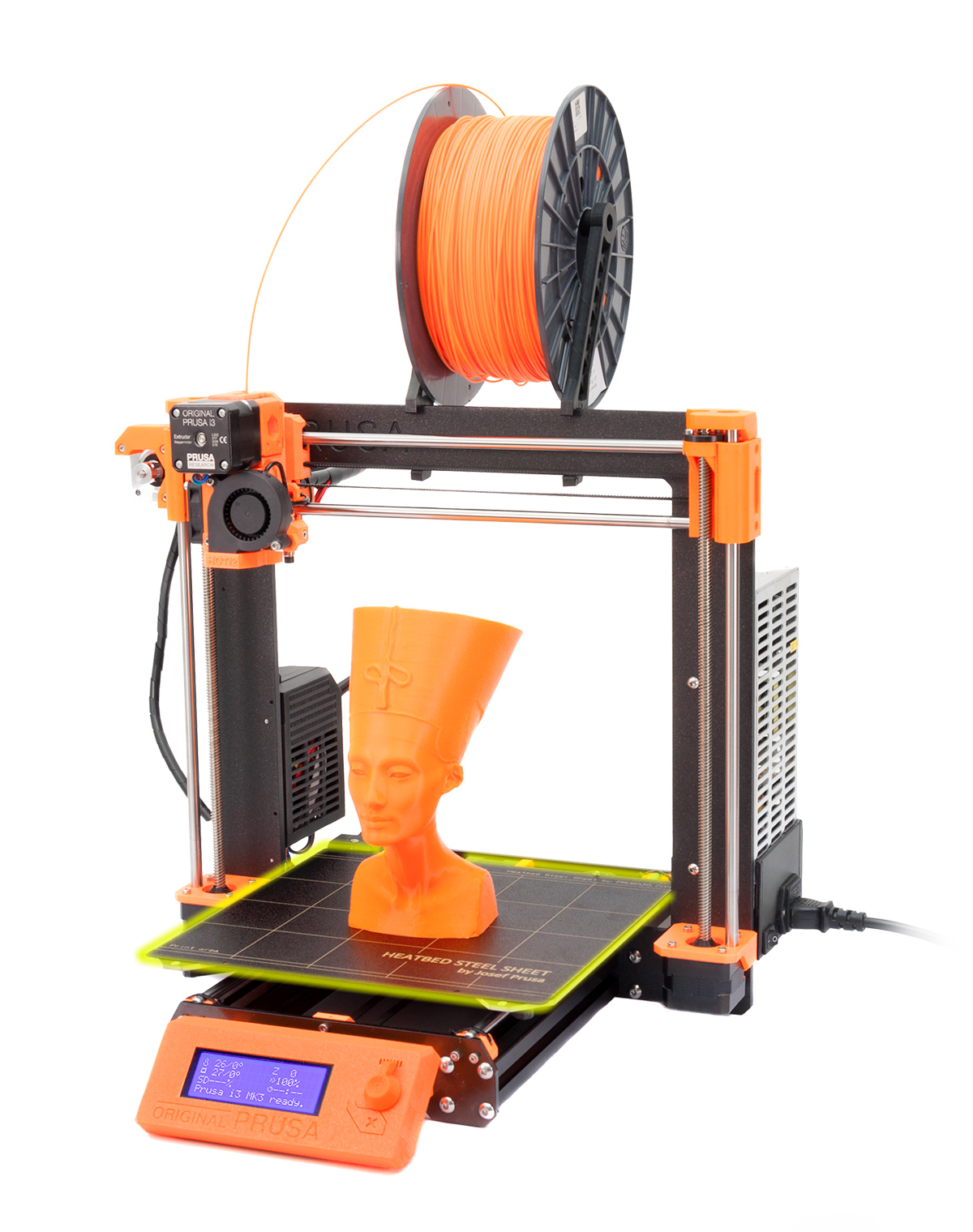
The Best Student and Best Organization will win a Prusa i3 MK3!

This contest is open to everyone, but we’re also looking for the best projects to come from students and hackerspaces. We’ll be giving away two amazing 3D printers to the best Student entry and best Organization entry. These two top projects will be awarded an Original Prusa i3 MK3 with the Quad Material upgrade kit. This is one of the finest 3D printers you can buy right now, and we’re giving these away to the best student, hackerspaces, robotics club, or tool lending library.

If you have a project in mind, head on over to Hackaday.io and create a project demonstrating your 3D printed repair!

What is This Contest All About?

This contest is all about Repairs You Can Print, but what does that actually mean? Instead of printing Pokemon or plastic baubles on your desktop CNC machine, we’re looking for replacement parts. We’re looking for commercial, off the shelf items that were broken, but repaired with the help of a 3D printer. Is your repair good enough to show off as part of the contest? Yes! That’s the point, we want to see the clever repair jobs that people often don’t spend much time talking about because they just work.

Need some examples? Sure thing.

A while back, [Elliot Williams], one of the fantastic Hackaday Editors, had a broken vacuum cleaner. The wheels were crap, but luckily they were designed as a single part that snaps into a swivel socket. Over six or so years, the original wheels in this vacuum gave out, but a replacement part was quickly printed and stuffed into the socket. The new wheels have been going strong for a year now. That’s an entire year of use for a vacuum for five cents worth of plastic and an hour’s worth of printing time.

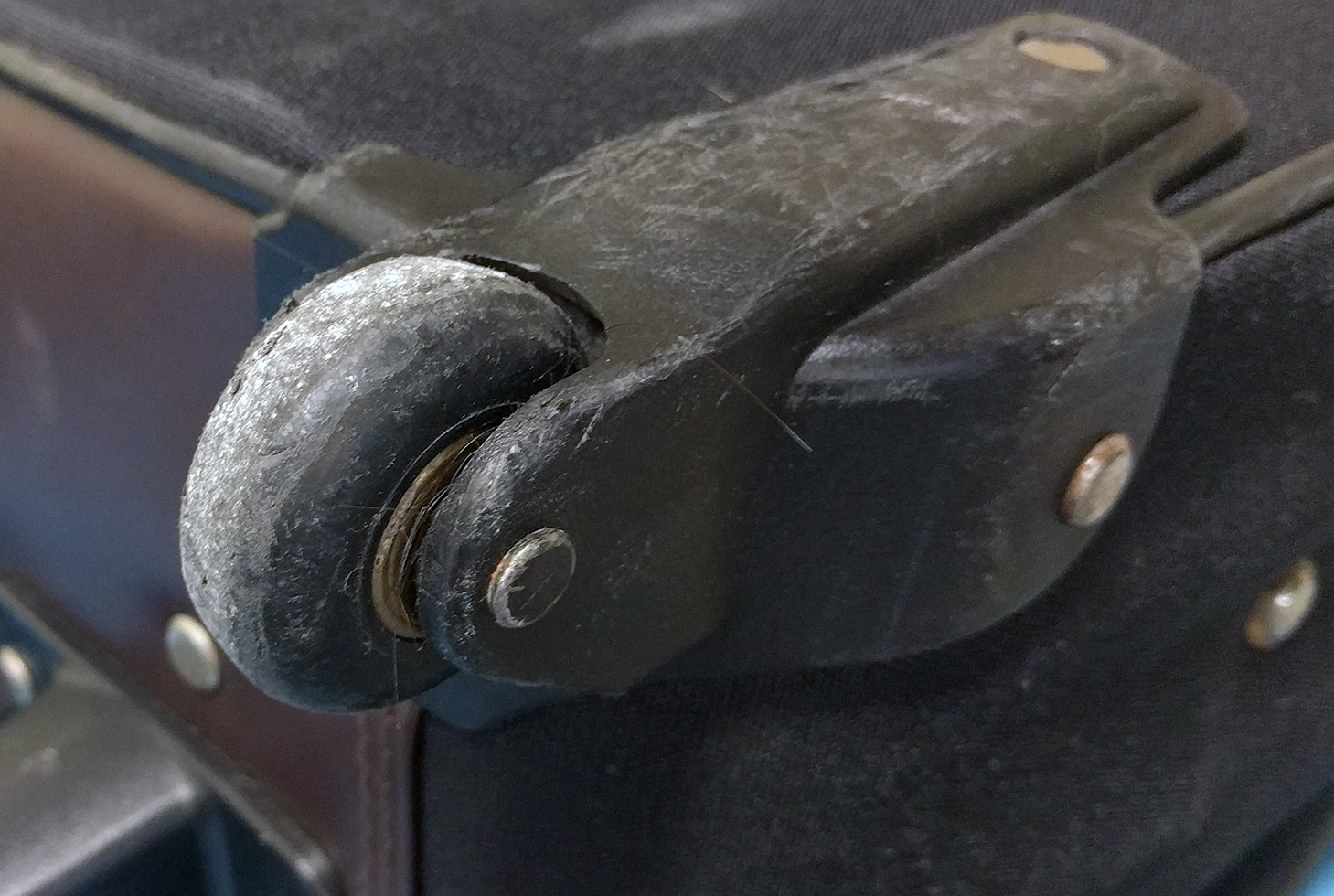
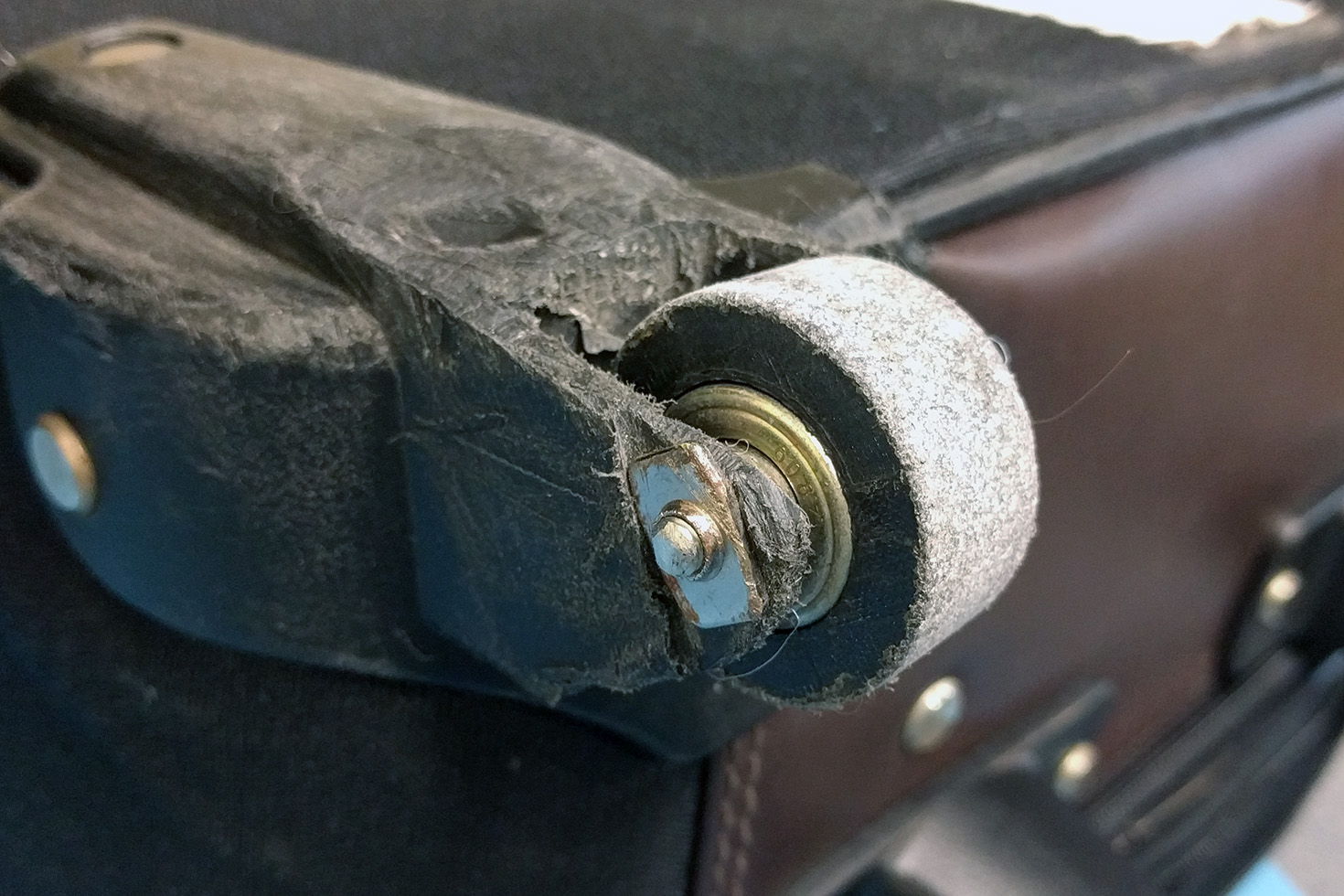
Need another example? My suitcase was apparently dragged behind a luggage cart for miles at either ORD or PHL. When it arrived on the baggage carousel, one wheel was shredded, and the wheel mount was ground down to almost the axle. The rest of the bag was still good, and I just removed the old wheel, salvaged the bearings, and printed a new wheel out of PLA. This suitcase has now traveled 60,000 miles with a 3D printed wheel, and it’s only now looking worse for wear.

How To Get In On The Action

We’re looking for the best repairs, jigs, and tools you’ve ever printed. To get started, head on over to Hackaday.io, create a new project, and document your repair. The Repairs You Can Print contest will run from Tuesday, January 16th, 2018 through 12 PM PST Tuesday, February 20th, 2018. Here’s a handy count down timer for ‘ya.

New Part Day: MEMS Loudspeakers

MEMS, or Micro ElectroMechanical Systems, are the enabling technology that brings us smartphones, quadcopters, tire pressure monitors, and a million other devices we take for granted today. At its most basic level, MEMS is simply machining away silicon wafers to make not electronic parts, but electromechanical parts. The microphone in your cell phone isn’t an electret mic you would find in an old brick phone from the 80s — it’s a carefully crafted bit of silicon, packed in epoxy, and hanging off a serial bus.

Despite the incredible success of MEMS technology, there is still something in your smartphone that’s built on 19th-century technology. Loudspeakers haven’t changed ever, and the speaker in your newest iThing is still a coil of wire and some sort of cone.

Now there’s finally a MEMS loudspeaker A company called USound has developed the first loudspeaker that isn’t just a bunch of wire and a magnet. This is a speaker built from a silicon wafer that can be as small as 3 mm square, and as thin as 1 mm. Since these speakers are built on silicon, you can also add an amp right onto the package. This is quite literally a speaker on a chip, and we’d bet that there are already engineers at Samsung looking at stuffing this into a flagship phone.

ST and USound announced these extraordinarily small speakers would actually be made, but so far it’s been just that — an announcement. This changed at CES where ST demonstrated VR goggles with multiple MEMS speakers. Does this mean MEMS speakers are on their way to Mouser and Digikey? We eagerly await the product announcement and demo dev board kit.

Spectre And Meltdown: How Cache Works

The year so far has been filled with news of Spectre and Meltdown. These exploits take advantage of features like speculative execution, and memory access timing. What they have in common is the fact that all modern processors use cache to access memory faster. We’ve all heard of cache, but what exactly is it, and how does it allow our computers to run faster?

In the simplest terms, cache is a fast memory. Computers have two storage systems: primary storage (RAM) and secondary storage (Hard Disk, SSD). From the processor’s point of view, loading data or instructions from RAM is slow — the CPU has to wait and do nothing for 100 cycles or more while the data is loaded. Loading from disk is even slower; millions of cycles are wasted. Cache is a small amount of very fast memory which is used to hold commonly accessed data and instructions. This means the processor only has to wait for the cache to be loaded once. After that, the data is accessible with no waiting.

A common (though aging) analogy for cache uses books to represent data: If you needed a specific book to look up an important piece of information, you would first check the books on your desk (cache memory). If your book isn’t there, you’d then go to the books on your shelves (RAM). If that search turned up empty, you’d head over to the local library (Hard Drive) and check out the book. Once back home, you would keep the book on your desk for quick reference — not immediately return it to the library shelves. This is how cache reading works.

Continue reading “Spectre And Meltdown: How Cache Works”

Coin Cell Hacks That Won The Coin Cell Challenge

It’s amazing what creative projects show up if you give one simple constraint. In this case, we asked what cool things can be done if powered by one coin cell battery and we had about one hundred answers come back. Today we’re happy to announce the winners of the Coin Cell Challenge.

Continue reading “Coin Cell Hacks That Won The Coin Cell Challenge”

Hackaday Links Column Banner

Hackaday Links: The ‘S’ In ‘CES’ Stands For Snake Oil

Remember IRDA? Before we had Bluetooth and WiFi, the cool kids connected their computers and printers together over fancy Infrared connections. Yes, your computer probably still has the drivers, but the hardware is nowhere to be found. For good reason, too: we now have Bluetooth and WiFi. This year, at CES, IRDA is making a comeback. MyLiFi is a product from OLEDCOMM that puts infrared connectivity in a lamp. All you need to do is plug an Ethernet cable into a desk lamp, a proprietary dongle into your computer, and you too can reap the benefits of a wireless connection with a range measured in meters. One of the selling points of this product is that this gives you wireless Internet ‘without radio waves’, marketing to the idiots who think RF causes cancer or whatever. It’s a stupid product that’s a highlight of the entire trade show.

During this year’s CES, Intel tweeted, “With each person on earth soon to be producing ~1.5 GB of #data each day, it is a resource without limits“. Two criticisms: First, ‘Earth’ should be capitalized. Second, data mined from individuals — which includes personal data and metadata including where you were, and who you talked to — is a resource to be extracted by capitalism. Welcome to the post-privacy society, brought to you by #CES2018.

Oh, crap, we’re getting into cryptocurrency…

Kodak has announced their own blockchain. Is Kodak going to the moon? Yes, but hold on: this might be a good idea. Kodak wants to use a blockchain for ‘image rights management’, where photographers can register, archive, and license their work. It’s a blockchain, and also a solution to a problem: something you don’t see much of these days. Shares of KODK shot up from $3.15 on Monday to somewhere north of $10 this week. Is it a good idea? Who knows, but someone put the word ‘blockchain’ in a press release and made a buttload of cash.

The guy behind the Maker Movement wants to create a blockchain platform for Makers. Who’s this guy behind the Maker Movement? Mark Hatch, former CEO of TechShop and someone who is purportedly on the board of Maker Media (Oh, that’s how Make got the scoop on the TechShop closure -ED). He’s creating a Blockchain for Makers. This blockchain will take two forms. The first is to allow ‘easy confirmation of skills’? Is little Bobby certified to use the table saw? Check the Blockchain. The second barb in our paw is a ‘currency token’ that provides an easy way to pay for related goods or services. There’s no mention if these services are makerspace dues, or some sort of payment system where creators can collect money from people who really really want Raspberry Pis stuffed into 3D printed Nintendos.

In drone news, I am reporting there are no fixed-wing drones on display at CES. Last year, Underwater ROVs outnumbered autonomous fixed-wing aircraft, and this year the scales tipped even further towards submersibles. The laws of physics don’t change for 1/10th scale aircraft, and fixed-wing drones will be more efficient than their multicopter counterparts at nearly every task.

We all know (or should) that safes in Las Vegas hotel rooms aren’t secure. CES 2018 has finally innovated on the hotel safe and come up with something you really don’t want to put your money, wallet, or passport in. It’s an Internet of Things safe. What are the features? Well, it’s small and lightweight and provides little in the way to mount anything. That’s great if you just want to steal the entire safe. But what about breaking into the safe? Don’t worry, the entire thing is made out of plastic. A quick whack to the top of the safe will open it right up.