Making Packaging Part Of The Product


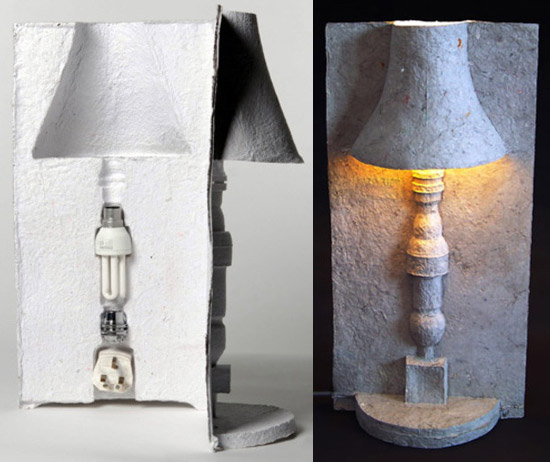
Discouraged at the mounds of packaging you’re throwing away every time you buy new stuff? Artist [David Gardener] may have just the solution for you: design products where the packaging is an integral part of the product itself. We can envision a whole line of IKEA furniture, for example, that turns inside-out and uses the cardboard box as part of its internal support structure. On the whole, this may be just a touch less tacky than making furniture out of packaging not intended to be used as furniture at all (i.e. FedEx boxes).

[via DVICE]

Biometric Locks Turned Trojan


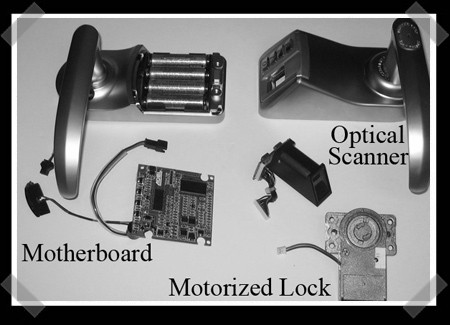
In the same vein as our recent Defcon article on biometric cloning, White Wolf Security has released this article about turning a biometric door lock into a trojan. They note that there are many common ways to break into one, from harvesting fingerprints to using gummy bears to fake a finger. This hack involves having full access to the unit so you can disassemble it.

The unit has a system built-in where you can touch a 9-volt battery to some connectors on the bottom to power it in case of a building power failure. The researchers simply routed some wires from the motorized lock to the plates used for the 9-volt and then reassembled the lock. The door can then be opened at any time without verification, even if the software on the unit is reset.

[Thanks, dwight]

Monitoring Home Energy Consumption


Power monitoring and home automation systems are coming to mainstream consumers. The New York Times covers the latest technologies (annoying login required) that improve and monitor energy efficiency in the home. As energy use and costs continue to increase, companies are popping up to offer cheaper solutions that will help consumers monitor energy usage, and decrease it simultaneously. Companies like Zigbee offer wireless protocols to track usage, and “smart metering” systems can communicate with appliances to reduce unnecessary energy usage.

Home automation systems can be set up to control a single system, such as a home theater, or multiple systems throughout a home, like audio, lighting, and temperature. Control4 offers controllers that will allow consumers to regulate their lighting, blinds, and temperature in their homes. Smart meters such as Echelon’s NES system offers users some great features, such as the ability to provide automated reads of electric and gas meters, and enabling load shedding during peak consumption periods, by controlling appliances like air conditioners and water heaters. By allowing the consumers to determine and control how much energy they use, they can successfully reduce their energy consumption levels a significant amount, but whether it’s worth the cost of investment remains to be seen. Although the prices of home automation systems have dropped from over $30,000 to about $5,000, it’s still much more than most consumers can afford.

We’ve covered home automation tools before. We like them because they’re still way more affordable than the offerings available, and the technology is more transparent. If you’ve got a creative and cheap solution to monitoring energy consumption, we’d love to hear it.

[via Waxy]

PIC Based Boiler Controller


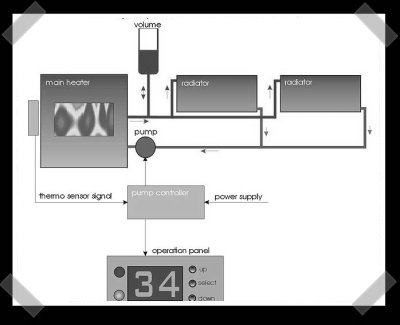
We’re used to central A/C, so we were surprised by this PIC controller based heater controller. It’s based around a pump controlled boiler/radiator system. A PIC 16F84 is used to input the set point and control a pump to circulate the heated water as needed. You can grab full schematics on the project page.

Update: We added a screen capture of the schematic after the break since the site keeled over.

Continue reading “PIC Based Boiler Controller”

How-To: Make An RGB Combination Door Lock (Part 2)


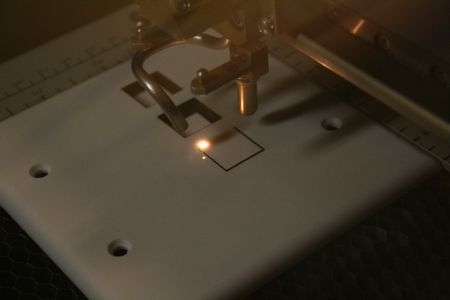
In part 1 we showed you how to build your own prototype RGB keypad. Today we’ll show off some new ideas we worked on to create the project and turn it from prototype to fully functional battle station er door lock.

Continue reading “How-To: Make An RGB Combination Door Lock (Part 2)”

How-To: Make An RGB Combination Door Lock (Part 1)


Part 2 can be found here

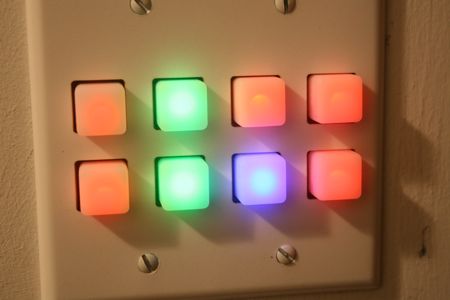
Putting a custom designed electronic lock on your space seems like a geek right of passage. For our latest workspace, we decided to skip the boring numbered keypad and build a custom RGB backlit keypad powered by an Arduino. Instead of typing in numbers, your password is a unique set of colors. In today’s How-To, we’ll show you how to build your own and give you the code to make it all work.

Continue reading “How-To: Make An RGB Combination Door Lock (Part 1)”