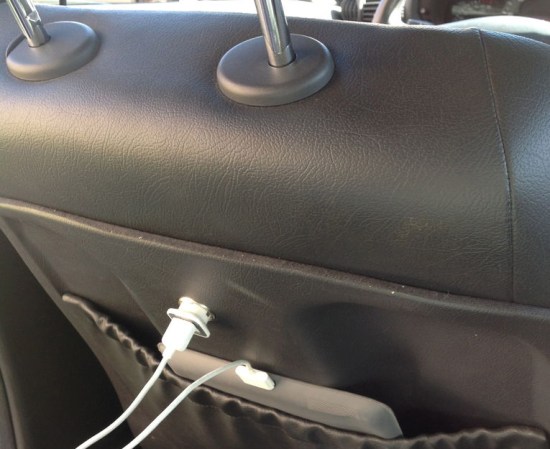
Whether you’re relegated to the backseat of your ride or just strapped for access to power, you may benefit from adding your own backseat USB charger. While this is a fairly straightforward hack, we’re surprised at how clean it turned out and at the convenience it provides.
[wongman2001] started by grabbing a socket wrench and unbolting his seat from the rails in the floor. He then disconnected the electrical plugs for the chair’s heating and power seat adjustment. With the chair disconnected and removed from the car, [wongman2001] further dissected its components, removing its back panel and test fitting a female cigarette adapter. Though this seat had plenty of room near the headrest, you may need to carve out some foam for a snug fit in your vehicle. To source the needed 12V, [wongman2001] tapped into the wiring for the seat’s motor, then soldered and insulated the connections to the cigarette lighter jack.
Check out some other clean-looking car hacks like the hidden MP3/USB Aux hack or the Nexus 7 double-DIN dashboard hack.