Last January, [DrYerzina]’s sister couldn’t find her cat. The family searched the neighborhood for two hours until the cat came out from underneath a bed, proving once again cats own humans, not the other way around. A solution to this problem would come in the form of technology, specifically as [DrYerzinia]’s entry for the Hackaday Prize, a solar-powered Bluetooth tracking device. Yes, you can go on Amazon or eBay and buy a BLE tracker, but this version comes in a handy package: it’s built of a flexible circuit board to fit just about everywhere, including on the collar of a cat.
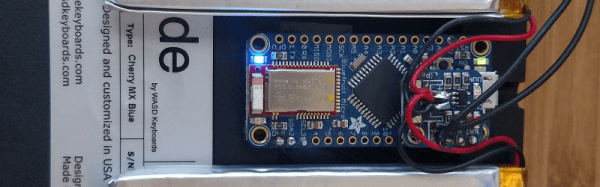
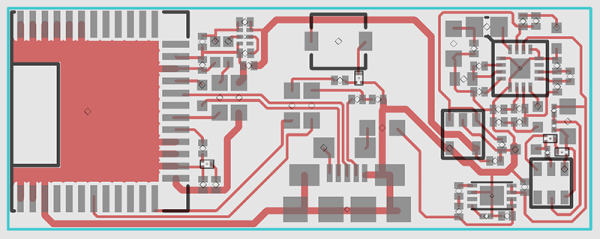
[DrYerzina]’s Bluetooth tracker is built around an Bluetooth LE module, with a few added passives, LEDs, and other parts glued and soldered onto a double sided, flexible PCB. To this, he’s added a flexible solar cell and a flexible LiPo battery. All of this is stuffed inside an enclosure 3D printed in flexible filament.
While the Hackaday Prize is filled with wearables, [DrYerzina]’s project is at the forefront of hombrew wearable technology. Nowhere else in the prize have we seen a dedication to making a device that bends. The best part is, he’s actually building a useful device; with just 15 minutes of sunlight a day (a condition very likely for a sleeping cat), this Bluetooth tag can work for weeks.






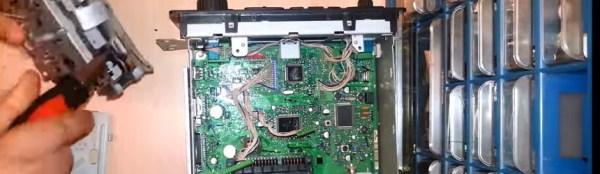
 Attacking the outdated Cassette deck [kolonelkadat] knew that inside the maze of gears and leavers, most of it is moving around actuating switches to let the radio know that there is a tape inside and that it can switch to that input and play. Tricking the radio into thinking there is a tape inserted is handled by an Arduino. Using a logic analyzer [kolonelkadat] figured out what logic signals the original unit put out and replicating that in his Arduino code.