In our latest episode of “IoT-Schadenfreude Theater” we bring you the story of [Mark], a British man who can’t boil water. Or more specifically, a man who can’t integrate MQTT with Amazon Echo, or IFTTT with HomeKit.
Yes, yes. We all love to laugh at a technology in its infancy. It’s like when robots fall down: it’s a cheap shot and things will surely get better, right? Indeed, the Guardian has had its fun with this particular WiFi kettle before — they’re British and nothing is more important than a remote-controlled cuppa.
Every time we hear about one walled-garden protocol not speaking to another, and the resulting configuration mayhem that ensues, we can’t help think that [Mike] was right: home automation has a software problem. But that’s putting the blame on the technology. (We’re sure that [Mark] could have made the kettle work if he’d just applied a little Wireshark.)
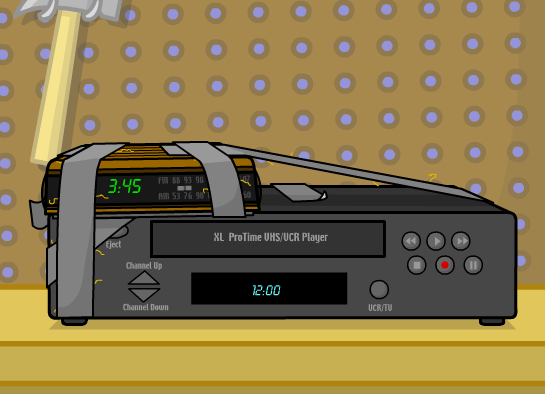
There’s another mismatch here — one of expectations about the users. A water kettle is an object that should be usable by grandmothers, and a complex networked device is clearly aimed at techies and early adopters. Combining the two is asking for trouble. Non-functioning IoT devices are the blinking 12:00 of our generation.
What do you think? Where’s the blame here? Poor design, bad software stack, stupid users, or failure of mega-corps to integrate their systems together? More importantly, how could we make it better?
Headline image:Fredy Velásquez Orozco, via Wikimedia Commons Thumbnail image: Markus Schweiss, also Wikimedia Commons.
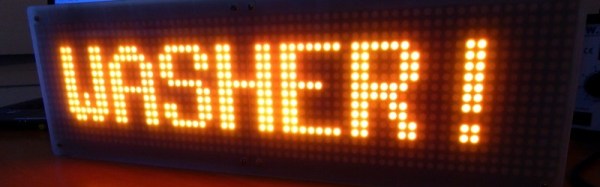
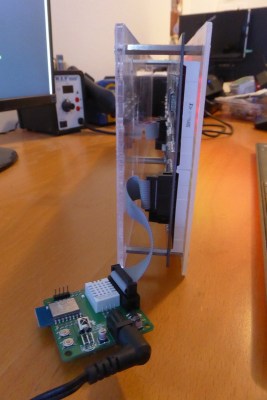 He wanted to try out SMD soldering so he built a custom PCB to hold the ESP-12, power supply, passive components, and a connector and he describes his methods and results. Instead of hardcoded messages, he wanted the system to be configurable and display messages coming in, not only from his laundry system, but also from other sensors. A web interface, built with jQuery and WebSockets, running on the ESP-12 allows the user to subscribe to a topic on the broker and show a customized name and value on the display when a payload is available.