For the last few years, the prices of infrared thermal imaging devices have fallen through the floor, down from tens of thousands of dollars a decade ago, to just about a grand for a very high-resolution device. This dramatic drop in price was brought about by new sensors, and at the very low-end, there are quite a few very inexpensive low resolution thermal imaging devices.
The goal now, it seems, is to figure out some way to add these infrared devices to a smartphone or tablet. There have been similar projects and Kickstarters before, but [Marius]’s entry for The Hackaday Prize is undercutting all of them, and doing it in a way that’s far, far too clever.
Previous ‘thermal imagers on a smartphone’ projects include the Mu Thermal Camera, a $300 Kickstarter reward that turned out to be vaporware. The IR-Blue is yet another Kickstarter we’ve seen, and something that’s actually shipping for about $200. [Marius] expects his thermal imager to cost just $99. He’s getting away with this pricing with a little bit of crazy electronics, and actually designing a minimum viable product.
Both the Mu Thermal Camera and the IR-Blue communicate with their smartphone host via Bluetooth. [Marius] felt radio modules were unnecessary and inspired by the HiJack system where low-power sensors are powered and read through a headphone jack, realized he could do better.
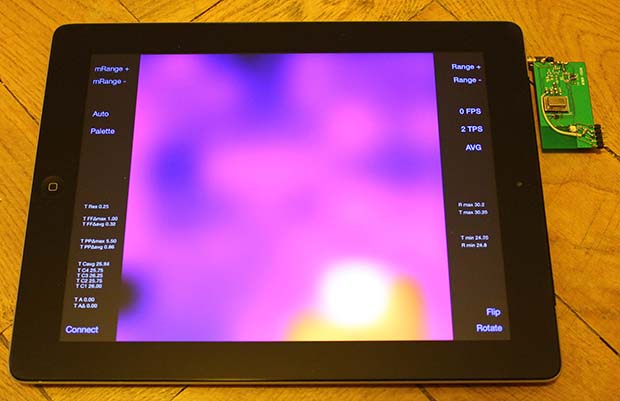
Always the innovator, [Marius] realized he could improve upon the HiJack power harvesting solution, and got everything working with a prototype. The actual hardware in the sensor is based on an engineering sample of the Omron D6T-1616L IR array module, a 16×16 array of IR pixels displaying thermal data on a portable device at 4 FPS.
It’s interesting, for sure, and half the price and quadruple the resolution of the IR-Blue. Even if [Marius] doesn’t win The Hackaday Prize, he’s at least got a winning Kickstarter on his hands. Video of the 8×8 pixel prototype below.
 The project featured in this post is an entry in The Hackaday Prize. Build something awesome and win a trip to space or hundreds of other prizes.
Continue reading “A Better, Cheaper Smartphone Thermal Imager”
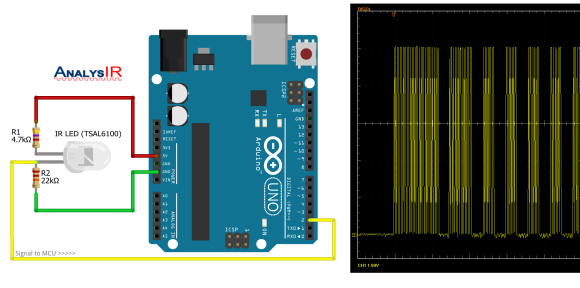
 While they’re probably rare as hen’s teeth in the US, there have been a few major stores around the world that have started rolling out electronic shelf labels for every item in the store. These labels ensure every item on a shelf has the same price as what’s in the store’s computer, and they’re all controlled by an infrared transceiver hanging on the store’s ceiling. After studying one of these base stations, [furrtek] realized they’re wide open if you have the right equipment. The right equipment, it turns out,

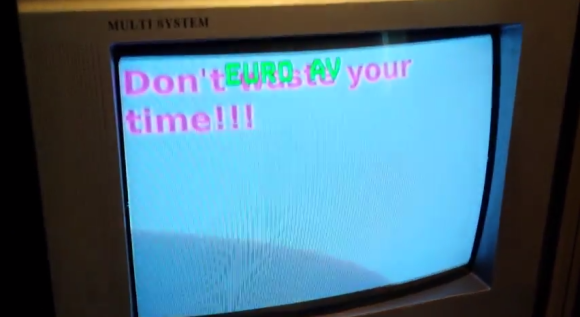 Would you believe that some people think the internet is a time waster? Well, not at this particular address of course, but we can think of some other sites that are absolute rabbit holes without so much as a rousing game of croquet at the bottom. If you need help achieving what Tim Ferriss dubbed a Low Information Diet, there are browser extensions that will block your access to sites that keep you from getting things done. [Ivan’s girlfriend] has taken this time management tack seriously and even created a simple web page that states “Don’t Waste Your Time!” that will show if she tries to get to Facebook.