Hackaday has a store‽ Yes, it’s true, and we have a Memorial Day sale going on right now. Get a cool robot had t-shirt, a cool clock, or a GoodFET. Spend money. Consume.
[fbustamante] got his hands on an old GP2X Wiz, one of those ARM-based portable media player/emulator things from a few years ago. This is a complete computer, and like the Pandora, it’ll do everything one of those Raspberry Pi laptops can do. The Wiz doesn’t have a keyboard, so [fbustamante] created his own. He etched his own PC, repurposed a keyboard controller from a USB keyboard, and stole the keycaps from an old Sharp digital organizer.
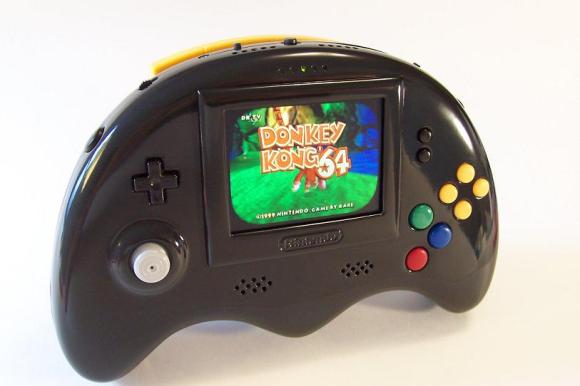
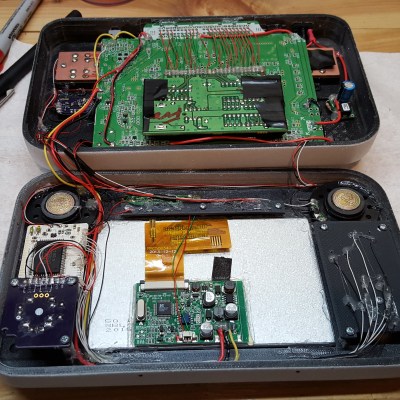
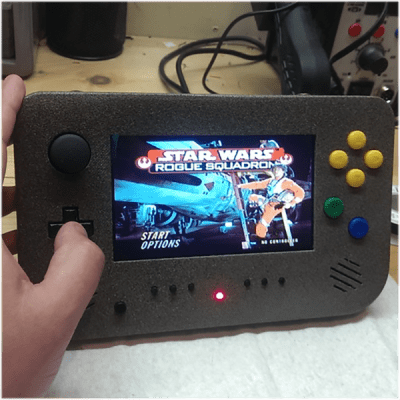
Speaking of portable consoles, [Element18592] built this incredible Nintendo 64 portable. He’s done an XBox 360 laptop and stuffed a Pi into an old brick Game Boy. This N64 mod is great, uses a 3D printed enclosure, and has truly amazing vinyl graphics.
To the surprise of many, [Photonicinduction] is not dead. The drunk brit with a penchant for high voltage electrics and a very, very confused power company is back making videos again. His latest video is a puzzle. It’s a plastic block with a light bulb socket, a UK power outlet, and a switch. Plug in a light bulb, flip the switch, and it turns on. Plug a blender into the outlet, and that turns on too. No wires, so how is he doing it?
Introduced at CES last January, Monoprice – yes, the same place you get HDMI and Ethernet cables from – has released their $200 3D printer. This one is on our radar and there will be a review, but right away the specs are fantastic for a $200 printer. The build area is 120mm³, it has a heated bed, and appears to be not completely locked down like the DaVinci printers were a few years ago.
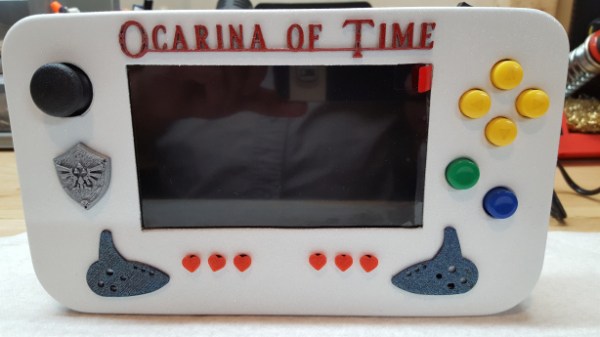
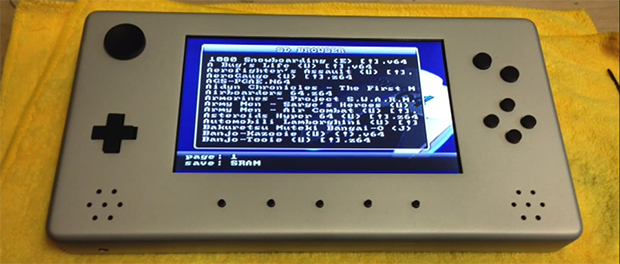
 [Chris] wanted to immortalize his favorite game — the Ocarina of Time. As he puts it, making a SG-N64 “takes the greatness of a timeless classic and preserves it in a body designed solely for the purpose of playing it”.
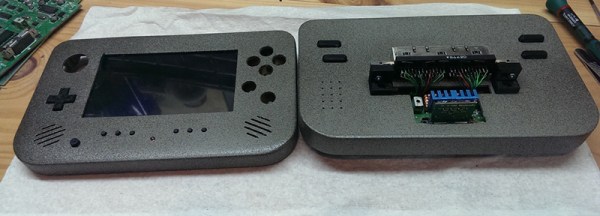
 The enclosure for this project was initially printed in PLA, the parts glued together and finally filled for a nice, smooth finish. [Chris] says PLA was a bad choice – the low melting point means the heat from milling the face plate gums up the piece. In the future, he’ll still be using printed parts for enclosures, but for precision work he’ll move over to milling polystyrene sheets.