Connecting A Nokia 3310 LCD Using An AVR

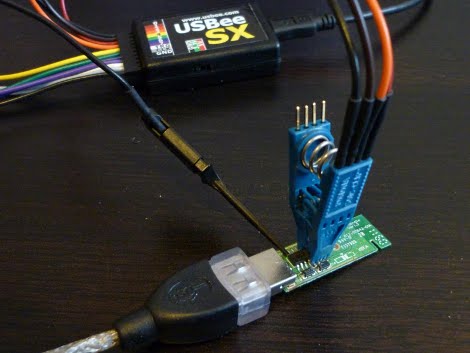
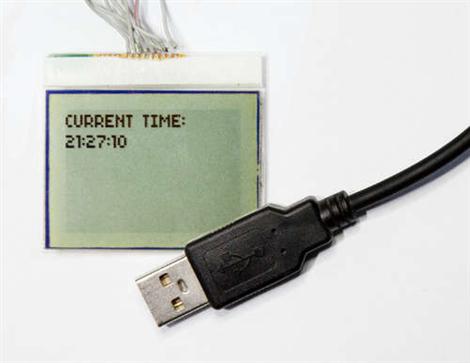
In this instructible, [wkter] takes us through the process of running a Nokia 3310 LCD display using an ATmega8.  This instructible isn’t a beginners project as he assumes you already have a strong understanding of how to work with these components and their programming languages. He is very thorough with information though, providing datasheets, pinout diagrams, and source code. Once you get this down, you could go a little further and make  Conway’s game of life.
30 Mph Electric Mountain Bike

[youtube=http://www.youtube.com/watch?v=xBn-VIzJsSk]

A 48 volt power house pushes this mountain bike at speeds up to 30Mph.  That’s a bit of a boost from many off the shelf E-bikes. [Jennifer Holt] wanted speed, and to retain the off road capabilities of her bike, so she made a custom one. As you can see in the video, this thing gets going fast and hills are no problem. She says that it will toss you off if you slam the throttle, and we believe her. We know some of you will insist on chiding her because she’s not wearing a helmet in those videos. She did manage to break her elbow offroading in the video after the break. That part is edited out though.

[via Makezine]

Continue reading “30 Mph Electric Mountain Bike”

Power Laces Take Us 5 Years Into The Future

[youtube=http://www.youtube.com/watch?v=ROEZs0HpFQc]

Back to the Future Part 2 provided a glimpse of a future that included hover boards and holographic advertisements. But you don’t have to wait until 2015 to get your hands on at least some of the technology. [Blake Bevin] has produced a pair of shoes with power laces as seen in the film. Of course present day technology doesn’t allow him to make the mechanical parts disappear so you’ll have to deal with two servo motors and an Arduino hanging off of your heels.  But hey, at least you won’t have to tie your own shoes like some 20th century peasant. No word on using these for a little theme music as you walk around but maybe that’s something from the more distant future.

Wireless Garage Door Indicator

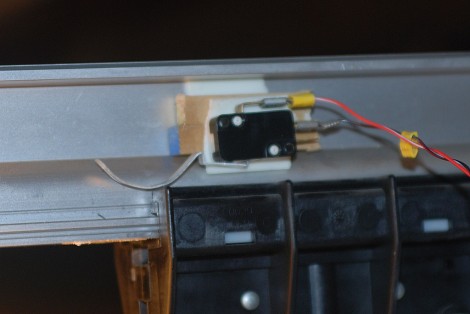
[Sixerdoodle’s] garage door indicator tells him if the door is open or closed. He was inspired by the hack from last September but wanted to make it wireless. The setup uses an RF transmitter/receiver pair from Sparkfun, each controlled by an ATtiny13 microcontroller. We found his battle with RF interference from other devices to be interesting. Working out those bugs made for a great learning experience.

Reverse Engineering An RF Clicker

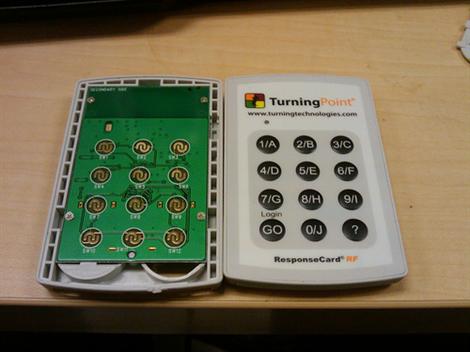
[Travis Goodspeed] has pulled apart a TurningPoint response card, which is an RF device for answering quizzes, attendance checks,  and casting votes in a classroom setting. After tearing it apart, he set out to reverse engineer it and managed to get quite a lot done. At this point he can spoof cards, so he could fake his or several people’s attendance. He can also sniff the packets as they are sent, opening up a plethora of opportunities to mischief. The one that was mentioned in the tip line was to simply repeat the answer that was most often sent for the quizzes. The writeup is very detailed and has great pictures. Good job [Travis].

[thanks Springuin]

Marvelous Magnetic Machines

[youtube=http://www.youtube.com/watch?v=BNp-ICvvM1o]

[HP Friedrichs] wrote in to tell us about an upcoming book titled Marvelous Magnetic Machines. Ordinarily, we skip over promotional hype. After watching his promo video though, we couldn’t help but share. We want a copy of this book. In this book you’ll find details on how to build a number of different motors from scrap. You can see several variations in the promo video. He also notes that the music was created by himself and some friends a few years ago. If [H.P. Friedrichs] sounds familiar, it is because he’s been sending us fantastic projects since at least 2006.

Wireless Presenters Easily Cracked

While hacking a wireless presenter doesn’t sound like something worthwhile or interesting, [Niels Teusink] demonstrates that these little devices often are a lot more powerful than we give them credit.

With an Arduino, plenty of research, and some heavy sniffing of a wireless presenter’s SPI and then wireless interface [Niels] is able to emulate an entire keyboard. Sending commands as harmless as “next slide” to the devastating “[Win+R] Format C:”. Hopefully anyone planning such a project at the next Apple or Microsoft keynote just intends some gentle fun.

Related: Wireless keyboards easily cracked.

[Thanks Dan Ransom]