This week, we’re taking the wayback machine to 1940 for an informative, fast-paced look at the teleprinter. At the telegram office’s counter, [Mary] recites her well-wishes to the clerk. He fills out a form, stuffs it into a small canister, and sends it whooshing through a tube down to the instrument room. Here, an operator types up the telegram on a fascinating electro-mechanical device known as a teleprinter, and [Mary]’s congratulatory offering is transmitted over wires to her friend’s local telegraph office hundreds of miles away.
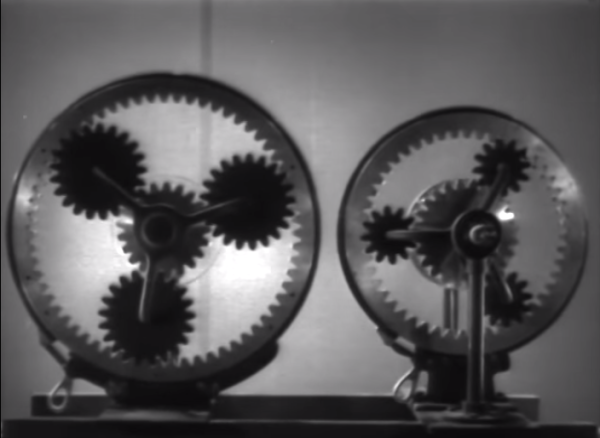
We see that the teleprinter is a transceiver that mechanically converts the operator’s key presses into a 5-digit binary code. For example, ‘y’ = 10101. This code is then transmitted as electrical pulses to teleprinters at distant offices, where they are translated back into alphanumerical data. This film does a fantastic job of explaining the methods by which all of this occurs and does so with an abstracted, color-coded model of the teleprinter’s innards.
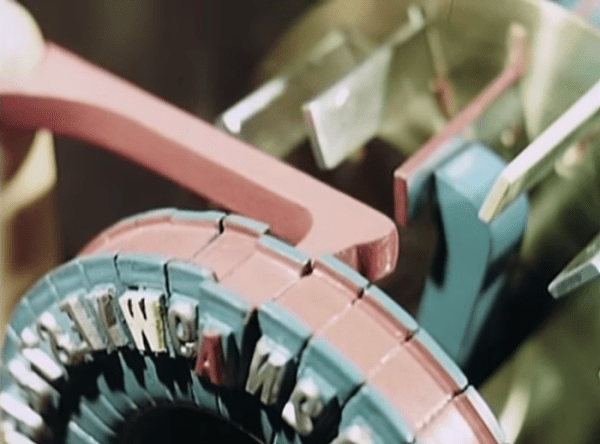
The conversion from operator input to binary output is explained first, followed by the mechanical translation back to text on the receiving end. Here, it is typed out on a skinny paper tape by the type wheel shown above. Telegraphists in the receiving offices of this era cut and pasted the tape on a blank telegram in the form of meaningful prose. Finally, it is delivered to its intended recipient by a cheeky lad on a motorbike.
Continue reading “Retrotechtacular: Teleprinter Tour, Teardown”
 The first of these rags was called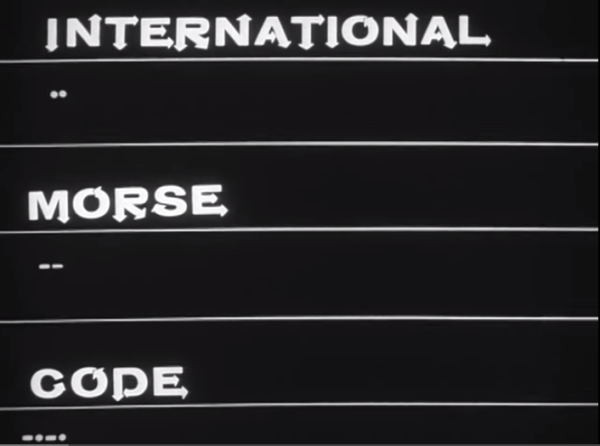
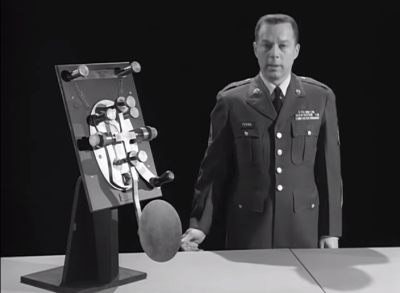 Such clever and memorable pictures are painted for a few other letters. We wish he would have covered them all, but that’s not the aim of this film. The Army is more concerned with good, clean rhythm and proper spacing that marks the difference between ‘low’ planes and ‘enemy’ planes. There’s a simple, three-step plan to getting what is called a ‘good fist’, and the Army demonstrates this in the best possible way: a giant J-38 and fake hand descending from the ceiling to match. Yes, really.

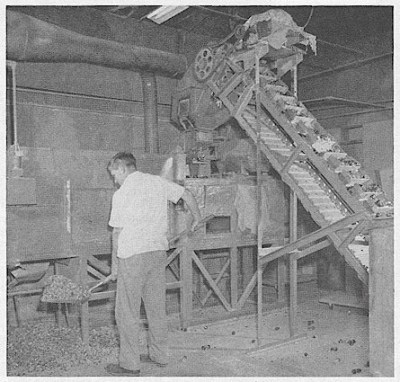 For Sylvania, one of the largest tube manufacturers of the golden age, this meant producing a lot of duds. A mountain of them, in fact, as you can see in the picture above.