Decapsulation Reveals Fake Chips

A while back, [heypete] needed to get a GPS timing receiver talking to a Raspberry Pi. The receiver only spoke RS-232, and the Pi is TTL level serial. [Pete] picked up a few RS-232 to TTL conversion boards from an online vendor in China. These boards were supposedly based on the Max3232, a wonderchip that converts the TTL serial to the positive and negative voltages of RS-232 serial. The converters worked fine for a few weeks, before failing, passing a bunch of current, and overheating.

On Mouser and Digikey, the Max3232 costs about $1.80 in quantity one, and shipping is extra. You can pick up a ‘Max3232 converter board’ from the usual online marketplaces for seventy five cents with free shipping. Of course the Chinese version is fake. [Pete] had some nitric acid, and decided to compare the die of the real and fake Max3232s.

After desoldering two fake chips from their respective converter boards, and acquiring a legitimate chip straight from Maxim, [Pete] took a look at the chips under the microscope. The laser markings on the fakes are inconsistent, but there was something interesting to be found in the date code markings. It took two to four weeks for the fake chips to be etched with a date code, assembled into a converter board, shipped across the planet, put into [Pete]’s project, run for a little bit, and fail spectacularly. That’s an astonishing display of manufacturing, logistics, and shipping times. Update: The date codes on the fakes had 2013 laser etched on the plastic package, and 2009 on the die. The real chips had a date code just a few weeks before [Pete] decapped them — a remarkably short life but they gave in to a good cause.

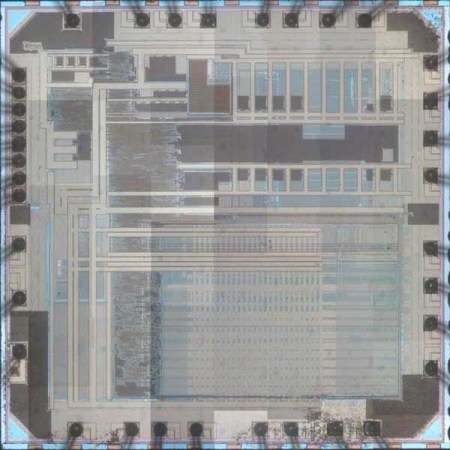
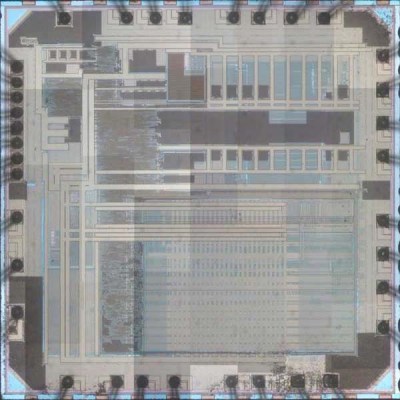
Following the Zeptobars and CCC (PDF) guides to dropping acid, [Pete] turned his problem into solution and took a look at the dies under a microscope. The legitimate die was significantly larger, and the fake dies were identical. The official die used gold bond wires, but the fake ones didn’t.

Unfortunately, [Pete] isn’t an expert in VLSI, chip design, failure analysis, or making semiconductors out of sand. Anything that should be obvious to the layman is not, and [Pete] has no idea why these chips would work for a week, then overheat and fail. If anyone has an idea, hit [Pete] up and drop a note in the comments.

“Nixie” Tubes Sound Good

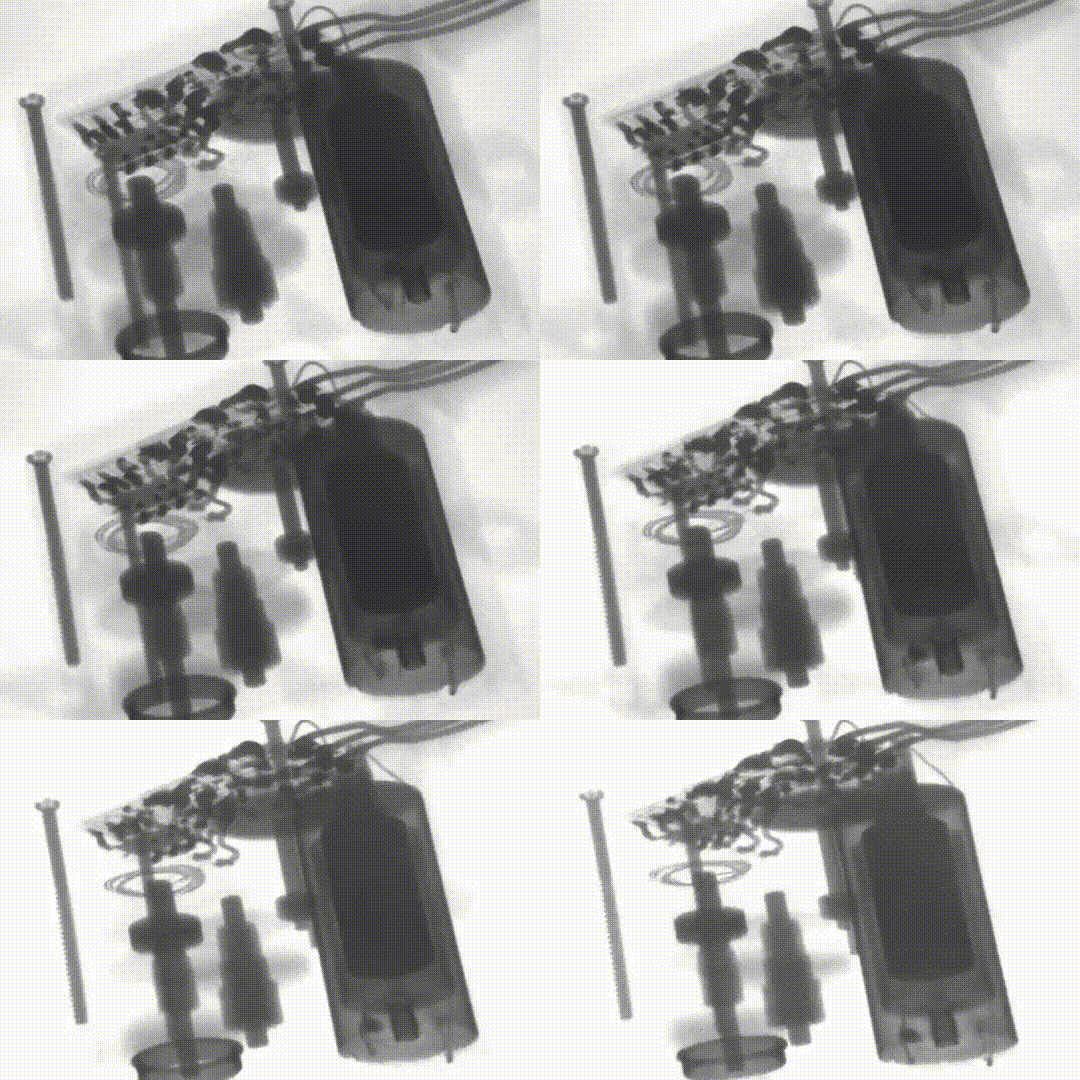
A tube is a tube is a tube. If one side emits electrons, another collects them, and a further terminal can block them, you just know that someone’s going to use it as an amplifier. And so when [Asa] had a bunch of odd Russian Numitron tubes on hand, an amplifier was pretty much a foregone conclusion.

A Numitron is a “low-voltage Nixie”, or more correctly a single-digit VFD in a Nixiesque form factor. So you could quibble that there’s nothing new here. But if you dig into the PDF writeup, you’ll find that the tubes have been very nicely characterised, situating this project halfway between dirty hack and quality lab work.

It’s been a while since we’ve run a VFD-based amplifier project, but it’s by no means the first time. Indeed, we seem to run one every couple years. For instance, here is a writeup from 2010, and the next in 2013. Extrapolating forward, you’re going to have to wait until 2019 before you see this topic again.

Giant-Scale Physical Pong

At first, we thought we were having deja vu, but then we saw this video embedded below. [Thijs Eerens] is a creative technologist (dare we say, a “hacker”?) who builds giant-scale games for a living. For the Lowlands festival in the Netherlands, he contributed to the build of a huge Pong game that looks as big as a cinema screen.

The paddles appear to be controlled by pulling ropes, and the “ball” is driven around on a system of wires and stepper motors. Code running in the background tracks the player paddles, drives the ball, and keeps score. From the video, there seem to be sound effects involved. It looks like a lot of fun.

Continue reading “Giant-Scale Physical Pong”

Overhauling The ESP8266’s Flash Memory Handling

If you’ve ever corrupted a flash memory on a power failure, you’ll be glad to hear that the ESP8266 SDK implements a very secure and almost infallible read/write management for its flash memory. The catch: It’s also very wasteful. For a single memory block of stored data, three memory blocks of physical flash memory are occupied. [Peter Scargill] enlightens us with a better solution.

Continue reading “Overhauling The ESP8266’s Flash Memory Handling”

Cityscape Infinity Table

Redditor [ squishy0eye] lacked a coffee table and wanted an infinity mirror. So, in a keen combination of the two, she built an infinity mirror table the resembles a nighttime cityscape.

Skimming over many of table’s build details, [squishy0eye] paused to inform the reader that an MDF base was used underneath the mirrors, with a hole drilled for the future power cable. For the top pane, she overlaid privacy screen mirror film onto tempered glass, turning it into a one-way mirror. The bottom pane is acrylic plastic due to the need to drill holes to hide the cables for each ‘building’ — the same mirror film was applied here as well. Wood was cut into rectangles for the building shapes and super glued around the holes and in the corresponding spots underneath to prevent any bowing in the acrylic. A small gap was left in each ‘building’ to run the 5050 non-waterproof LED strips around and back into the hole for power.

Continue reading “Cityscape Infinity Table”

Ducklings Raised By Remote

We’re not sure that it’s absolutely necessary to raise ducks using a remote-control animatronic duck decoy, but people have stranger hobbies.

This YouTube video (embedded below) from [Imaginative Guy] chronicles an impressive feat of RC animatronics, sparing no effort to make the RC duck “parents” realistic. There’s a ton of detail in the videos, from the machining of small necessary bits to the liberal application of hot glue where necessary. Continue reading “Ducklings Raised By Remote”

Portable Battery Bank Only Looks Like A Bomb

If one of the design goals of [wsw4jr]’s portable solar battery bank build was to make something that the local bomb squad would not hesitate to detonate with a water cannon if he leaves it unattended, then mission accomplished.

We kid, but really, the whole thing has a sort of “Spy vs. Spy” vibe that belies its simple purpose. A battery bank is just an array of batteries, some kind of charge controller, and an inverter. The batteries are charged by any means possible – in this case by a small array of solar panels. The mains output of the inverter is used to power whatever doodads you have.

[wsw4jr] didn’t mention of the inverter specs, but from the size of the batteries and the wiring – both of which he admits are not yet up to snuff in his prototype – it’s a safe guess that the intended loads are pretty small.  Tipping the scale at 60 pounds, the unit tends toward the luggable end of the portability scale. Still, this could be a great tool for working out in the field, or maybe even tailgating.

We’ve seen expedient battery banks and emergency power from cordless drill batteries before, but this build is quite a bit more sophisticated. We’ll be watching for updates on this one.