Ceramic capacitors are small, they don’t leak, they’re convenient, but they are downright strange. Certain types of caps will lose their capacitance depending on the voltage they’re operating at. If you’re using ceramic caps for filters, DC to DC power supplies, bypass caps, or anything where you need an exact capacitance in a circuit, this can be a problem.
[Mathieu] has come up with a tool that’s able to measure the capacitance of a cap over its entire working range. He’s calling it the OpenCVMeter, and although the name might be slightly confusing, the functionality is not. This little box will measure the capacitance of a part over a voltage range from 1.3 to 15.5V.
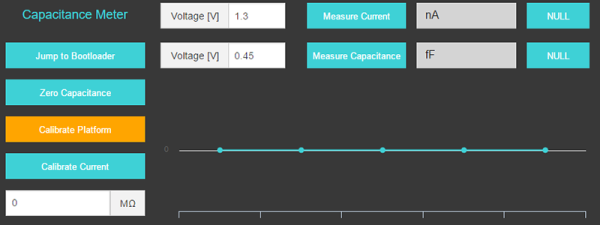
By attaching the SMD tweezers or test clips to a capacitor, the OpenCVMeter ramps up the voltage and measures the capacitance of the part through the test cycle. This data is then dumped to a Chrome app – a surprisingly popular platform for test equipment apps – and a determination of the cap’s ability will to work in a circuit is displayed on the screen
If you’ve ever tooled around with antique electronic equipment, you’ll know the first thing to go bad in any piece of equipment are caps. Either caps had extremely loose manufacturing tolerances back in the day or the values really were that critical, but a dodgy cap can bring down everything from tube amps to computers. It’s a very neat tool, and something that doesn’t really exist in a single dedicated device.