Meter Clock Using The TI Launchpad

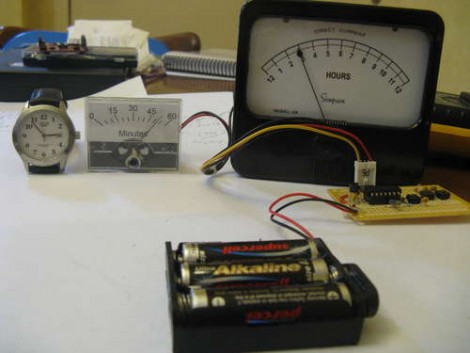
Here’s an analog meter clock using an MSP430G2211 microcontroller. [Doug Paradis] chose this processor because it is the lesser of the two that come with the TI Launchpad. The parts count is fairly low too; a clock crystal, two analog meters, a few buttons, and a voltage regulator.

He’s done a nice job putting this together. We challenge you to give this a try yourself and build on [Doug’s] features. We really liked the calibration subroutine in [Alan’s] multi meter clock. It would be fun to implement that functionality and store the calibration code in the MSP’s flash memory. You can use our ported garage door opener code if you need an example of how to store data in flash.

Beginner Concepts: Analog Circuits

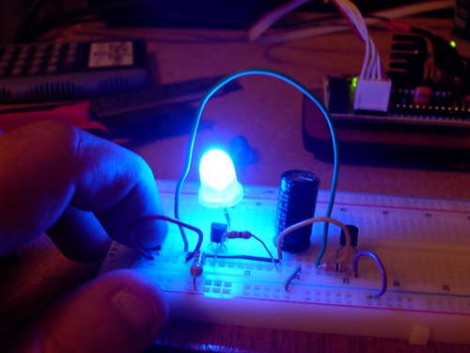
We look at a lot of projects that have microcontrollers in them. That’s because microcontrollers do cool stuff, but there are still plenty of tricks you can pull off with analog circuits. [Osgeld’s] latest project explores this realm, controlling the discharge of capacitors through an LED. His setup uses just nine components and, if you’ve been collecting broken electronics from your friends and neighbors like a good hacker, you can scavenge all of these parts. Try it, you’ll like it!

Interfacing With An Analog Joystick

[Firestorm_x1] put together a tutorial about interfacing an analog joystick with a microcontroller. These analog sticks are easy to find; he got his from Goodwill but we’ve got a couple in our junk box right now. The stick uses variable resistors to report its position so it’s just a matter of reading and interpreting that data. After explaining the concepts he demonstrates how to use the joystick to control a Basic Stamp 2 based robot, the Boe-Bot. This could easily be adapted for use with other robot platforms.

Hybrid Analog/binary Clock, The MK2

[Kieran] let us know about his hybrid analog/binary clock. The circuitry behind the clock is nothing too new. An Arduino combined with a Chronodot to produce an accurate clock. What we really enjoyed however was the creative implementation of an old British Telecom Linesman’s Multimeter as the case. The analog meter acts as the seconds hand, while a another display made of LEDs diffused with stripboard is the binary clock. The end product is nothing short of ingenuitive.

Homebrew Kodachrome

What do you do if you can’t find the film that your camera uses? The answer seems pretty simple, you just make it yourself. Making film is not a simple task. There are multiple stages involved and it all has to be done in complete darkness. This project is causing a bit of stir in its respective communities. Though not completely finished yet, it is already an impressive piece. Everyone is waiting eagerly for it to be completed. You can find a few of the discussion groups linked from the flickr page.

[via BoingBoing]

Gear Clock

[youtube http://www.youtube.com/watch?v=zkLIKfdYW3I&feature=player_embedded%5D

Analog clocks now a days get no respect. Everyone is digital this, or binary that, and we admit it is nice to look over and see the time promptly displayed. But there’s something about the quiet ticking and ominous feeling you get when around a large intricate clock that you know some serious time has been invested.

Nostalgia feelings aside, [Alan] from Hacked Gadgets introduced us to his Gear Clock. While it’s not a new idea, and in fact we have a few around the office, his concept really inspired us. His clock is driven via stepper motor and a PIC, allowing for the time to be fairly accurate. The only small problem he mentions is the poor paint job, but we think it looks amazing regardless.