Hackaday Prize Entry: Dongle For A Headless Pi

Mass production means that there’s a lot of great hardware out there for dirt cheap. But it also means that the manufacturer isn’t going to spend years working on the firmware to squeeze every last feature out of it. Nope, that’s up to us.

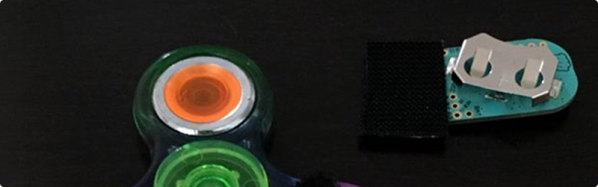
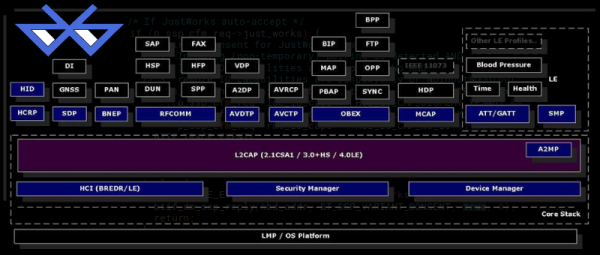
[deqing] took a Bluetooth Low Energy / USB dongle and re-vamped the firmware to turn it into a remote keyboard and mouse, and then wrote a phone app to control it. The result? Plug the USB dongle in, and the computer thinks it sees a keyboard and mouse. Connect the phone via BLE, and you’re typing — even if you don’t have your trusty Model F by your side.

[Deqing] points out that ergonomics and latency will make you hate using this in the long term, but it’s just meant to work until you’ve got SSH up and running on that headless single-board Linux thing. If you’ve ever worked with the USB or BLE specifications, you can appreciate that there’s a bit of work behind the scenes in making everything plug and play, and the web-based interface is admirably slick.

Kudos, [deqing]!

Three Thumbs, Way, Way Up!

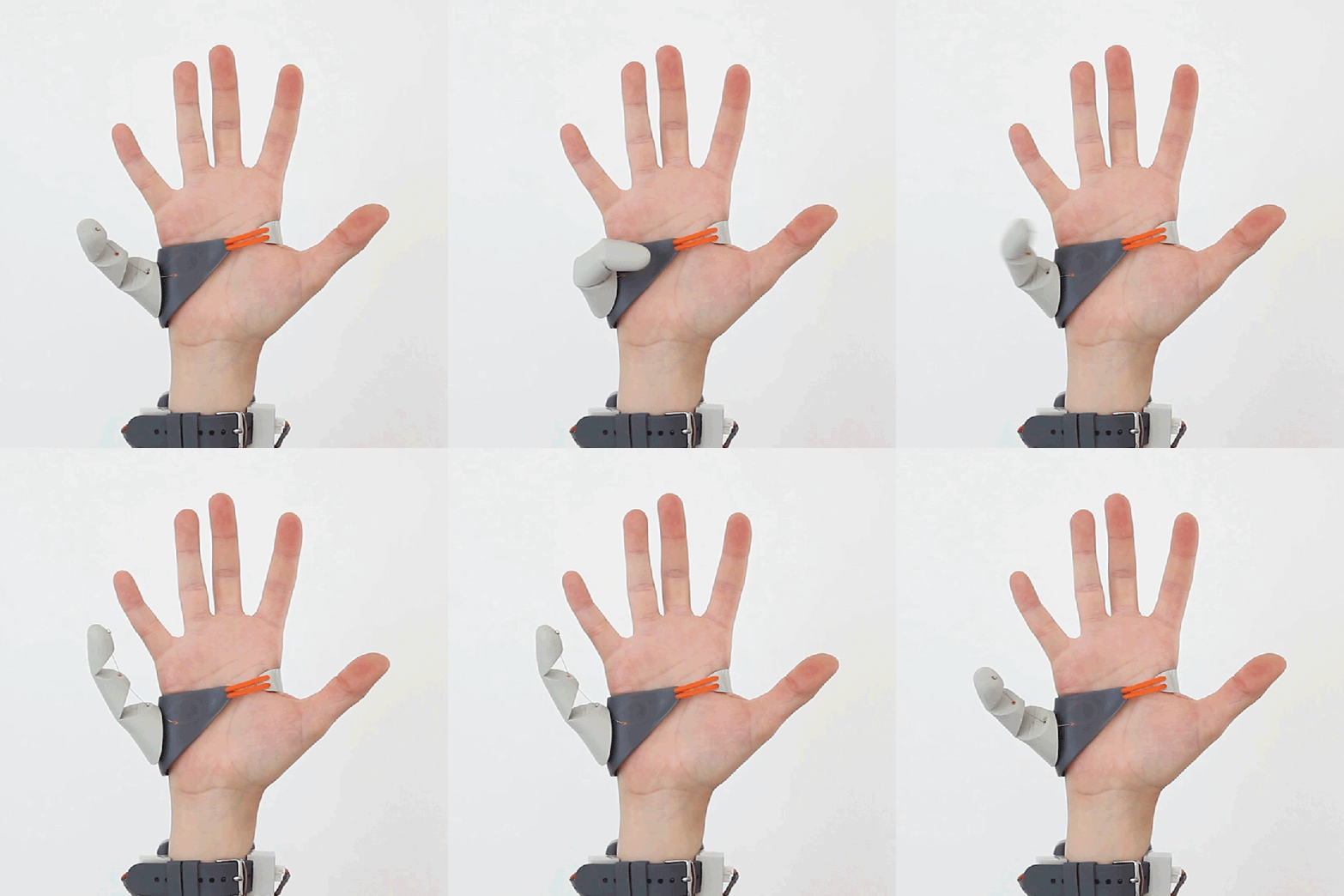
At least one in their lives — or several times a day — everyone has wished they had a third hand to help them with a given task. Adding a mechanical extra arm to one’s outfit is a big step, so it might make sense to smart small, and first add an extra thumb to your hand.

This is not a prosthetic in the traditional sense, but a wearable human augmentation envisioned by [Dani Clode], a master’s student at London’s Royal College of Art. The thumb is 3D-printed out of Ninjaflex and mounted to a printed brace which slides over the hand. One servo rotates the thumb, and a second pulls it closed using a bowden cable system — not unlike that of a bicycle brake. Control of the thumb is achieved by pressure sensors in the wearer’s shoes, linked via Bluetooth to a wristband hosting the servos and the electronics. We already use our hands and feet in conjunction, so why not capitalize on this intuitive link?

Continue reading “Three Thumbs, Way, Way Up!”

Hands-On: New AND!XOR Unofficial DEF CON Badge

In just two weeks, we’ll be flooding into the casinos of Las Vegas for DEF CON. By far our favorite part is the unofficial hardware badges which make their way to the con each year. The AND!XOR team has put together an incredible offering this year with what I’m calling the “Bender on a Bender” badge. They sent us two of them, so let’s jump right in and see what this badge is all about.

Continue reading “Hands-On: New AND!XOR Unofficial DEF CON Badge”

Robot: Do My Bidding!

Remote control robots are nothing new. Using Bluetooth isn’t all that unusual, either. What [SayantanM4] did was make a Bluetooth robot that accepts voice commands via his phone. The robot itself isn’t very remarkable. An Arduino and an HC05 module make up most of the electronics. A standard motor driver runs the two wheels.

The Arduino doesn’t usually do much voice processing, and the trick is–of course–in the phone application. BT Voice Control for Arduino is a free download that simply sends strings to a host computer via Bluetooth. If you say “Hello” into your phone, the robot receives *Hello# and that string could be processed by any computer that can receive Bluetooth data.

Continue reading “Robot: Do My Bidding!”

A Beverage Cooler That Comes To You!

Feel like taking a long walk, but can’t be bothered with carrying your drinks? Have no fear, this  “Follow Me” Cooler Bot is here!

Really just a mobile platform with a cooler on top, the robot connects to smartphone via Bluetooth, following it using GPS. Making the platform involves a little woodworking skill, and an aluminium hub with a 3D-printed hub adapter connects the motors to a pair 6″ rubber wheels with a swivel caster mounted at the rear. A pocket in the platform’s base houses the electronics.

The Arduino Uno — via an L298n motor driver — controls two 12V DC, brushed and geared motors mounted with 3D printed brackets, while a Parallax PAM-7Q GPS Module in conjunction with an HMC 5883L compass help the robot keep its bearing. A duo of batteries power the motors and the electronics separately to prevent  any malfunctions.

Continue reading “A Beverage Cooler That Comes To You!”

IPad, Not Flux Capacitor, Brings DeLorean Back To The Future

Add a flux capacitor and a Mr. Fusion to a DeLorean and it becomes a time machine. But without those, a DeLorean is just a car. A 35-year old car at that, and thus lacking even the most basic modern amenities. No GPS, no Bluetooth — not even remote locks for the gullwing doors!

To fix that, [TheKingofDub] decided to deck his DeLorean out with an iPad dash computer that upgrades the cockpit experience, and we have to say we’re impressed by the results. Luckily, the space occupied by the original stereo and dash vents in the center console is the perfect size for an iPad mini, even with the Lightning cable and audio extension cable attached. A Bluetooth relay module is used to interface to the doors, windows, trunk, garage door remote, and outdoor temperature sensor. A WiFi backup camera frames the rear license plate. Custom software ties everything together with OEM-looking icons and a big GPS speedometer. The build looks great, adds functionality, and should make road trips a little easier.

When [TheKingofDub] finally gets sick of people complaining about where the BTTF guts are, maybe he can add a flux capacitor and time circuits.

[via r/electronics]