
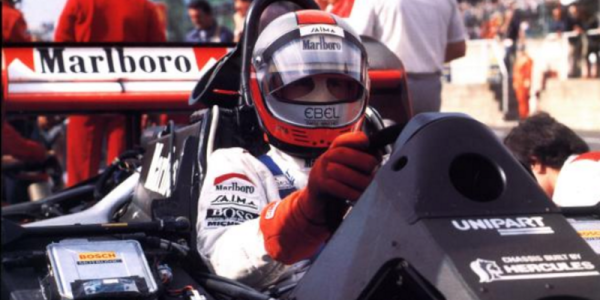
One problem with engineering education today is a lack of experimental teaching. Oh sure you may have a project or two, but it’s not the focus of the program because it’s hard to standardize a test around. Typically sections of the field are taught in a highly focused theoretical course by a professor or graduate student with a specialization in that section. Because classes treat individual subject areas, it’s entirely possible to get a really good understanding of two pieces of the same puzzle, but never realize that they fit together to make a picture. It’s only when a freshly minted engineer gets out into the real world that they start to make the connections between seemingly disparate fields of knowledge.
This is why Carroll Smith’s book “Engineer to Win” is so good. He spent a lifetime as a practicing engineer in a field where a small failure could mean the death of a friend. So when he set out to write a book, he wrote a book that related everything needed to properly conceptualize and solve the mechanical engineering problems in his field.
One warning though; the book is not for the faint of heart. If you want to learn something difficult well, then this is book for you. Carroll skips the comforting analogies and gives the information exactly. It can get a little dense, but he makes the assumption that the reader is there to learn and, most importantly, understand. This takes work.
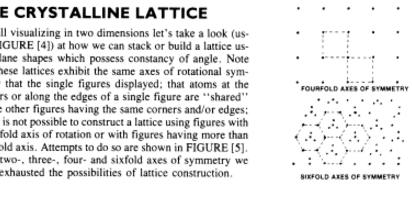 For example, you can’t really understand why a rolled bolt is stronger than a bolt cut on a screw machine until you understand how metal works on a crystalline level. The same goes for metal fatigue, brittle fractures, ductile failures, and all the maladies that metal can suffer. The difference between an engineer and a technician is this deep understanding. Otherwise the equations learned are just parts in a toolbox and not paint on an artist’s palette.
This is why the first half of the book is dominated by all things metallurgical. The book starts with the simple abstractions of the crystalline structures of metal. Unlike my materials class in university, it maintains a practical bend to the presentation of the information throughout the whole process. For example, it moves on to what all this practically means for metals undergoing stresses and failures before it launches into a (short) digression on how metals are made and their history.
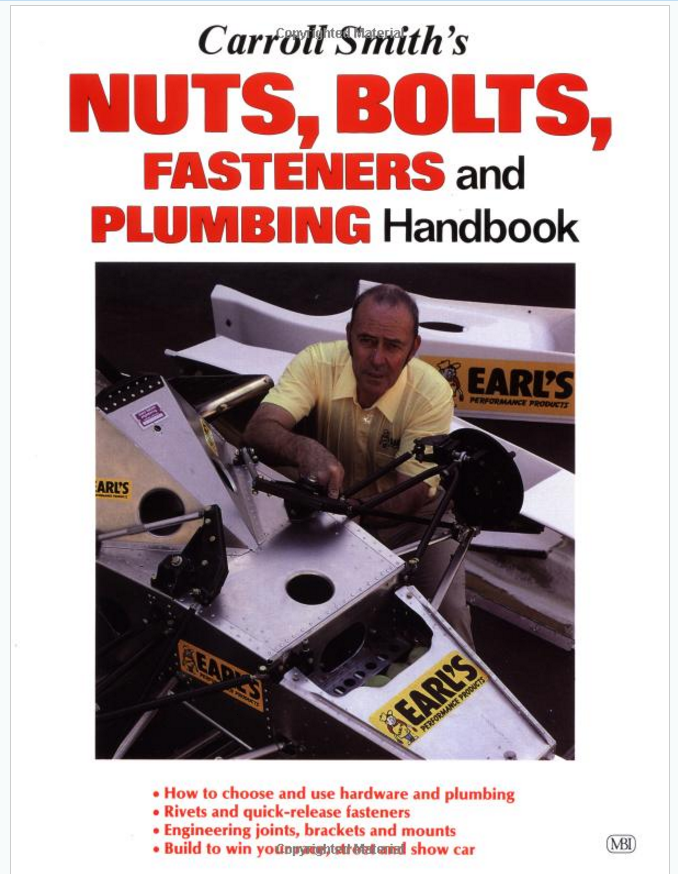
This first half of the book touches on non-ferrous metals and their proper use as well. After that comes some of the best explanations of metal fatigue, fasteners, and metal bonding I’ve ever read. When the failure of a joint causes a mechanism to fail in a toaster that’s one thing, but when it fails in a racecar people get hurt. Carroll is very exacting in what constitutes a forgivable oversight in engineering, and what does not.
Once the book has finished conveying a working understanding of metals and fasteners it seems to fracture into a pot-luck of different racecar-related topics. During my first reading of the book I resisted this strange turn of events. For example, I didn’t really want to read about racecar plumbing in the eighties, or what kind of springs and aerofoils Carroll likes. However, when I reread those sections in a more focused manner, I realized that many of them were teaching the practical application of the knowledge learned in the previous chapters. How does the metal make a good spring? Why is one kind of plumbing better than another?
Importantly, the anecdotes at the end of the book impart an understanding of the importance of professionalism in engineering. What is the true responsibility of an engineer? He teaches not to take the trust others place in your skills for granted. He teaches to trust in the skills of others. The book teaches humility as an engineer. He shows the kind of person one can become after a lifetime of earnest study in their craft.
Thanks to reader, [Dielectric], for recommending the book to me. Also, from the bit of research I’ve done, the older motorworks edition is generally considered to have better quality reproductions of the diagrams than the newer printings of the book.





 Building a robot can be very simple — assembling pre-configured parts or building something small, quick, and cute — or it can be an endeavour that takes years of sweat and tears. Either way, the skills involved in building the ‘bot aren’t necessarily the same as those it takes to program the firmware that drives it, and then eventually the higher-level software that makes it functional and easy to drive.
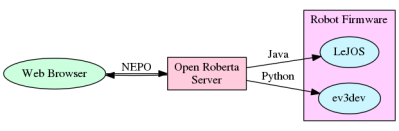 Open Roberta is the user-facing middleware in a chain of software and firmware bits that make a robot work in a classroom environment. For the students, everything runs inside a browser. OR provides a webserver, robot programming interface and language, and then converts the output of the students’ programs to something that can be used with the robots’ firmware. The robots that are used in classrooms are mostly based on the Lego Mindstorms EV3 platform because it’s easy to put something together in short order. (But if you don’t have an EV3, don’t despair and read on!)








