Collect and analyze ECG data

posted Aug 22nd 2009 12:00pm by Zach Banks
filed under: Medical hacks, downloads hacks, peripherals hacks

ecg

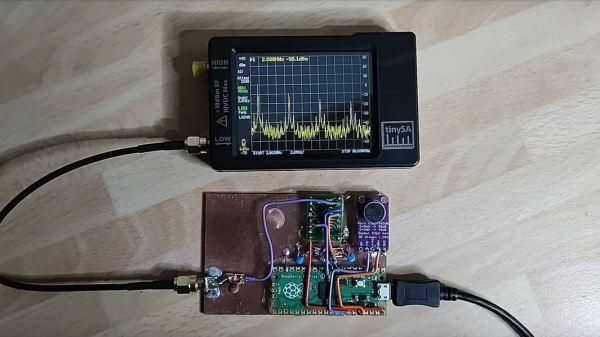
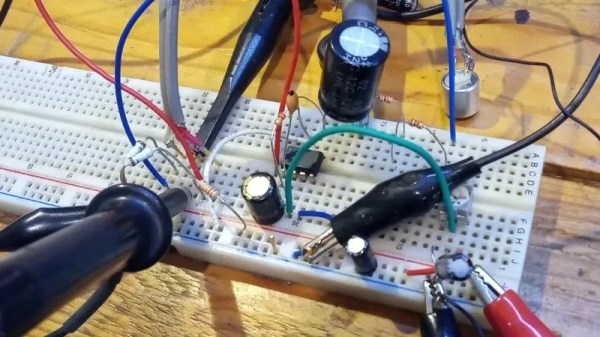
Although we’ve covered DIY ECGs before, [Scott Harden] sent in his version that gives an in-depth explanation of what to do with the collected data. He built a basic battery-powered op-amp-based ECG for under $1. The circuit just amplifies the signal from the chest leads and feeds it into a computer via the microphone port. He then used GoldWave to record, filter, and save the signal. From there, he used python to analyze the heartbeat and calculate his heart rate and further manipulate the data. His previous blog posts go into more detail on how the python code works and why he chose software over hardware filters.

Stereo microphones in an MSI Wind

posted Jun 1st 2009 8:34am by Caleb Kraft
filed under: classic hacks, laptops hacks, peripherals hacks, portable audio hacks

binaurial

[Matt] wrote in to tell us about this project. He plans on travelling with his MSI Wind and wanted better audio recording capabilities. He decided to install an additional microphone and a preamp. He made a custom preamp and wired it directly to the motherboard. The microphone was then mounted in the laptop screen. The second microphone is placed opposite of the first, about 18cm apart which [Matt] claims gives it a binaural effect. We think that this might just classify as stereo though. Wouldn’t you have to seperate them with a barrier or dampening device for binaural? It doesn’t really matter though, stereo mics are a great addition to the MSI Wind, and he did it very well. He does point out that it picks up a lot of noise though. There’s always room for improvement.


Condenser microphone building

posted Apr 22nd 2009 10:46am by Caleb Kraft
filed under: classic hacks, digital audio hacks, peripherals hacks

mic

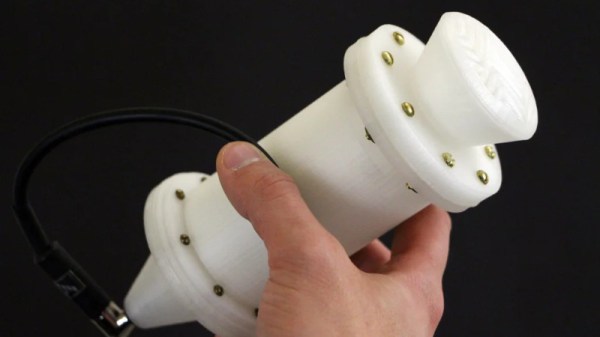
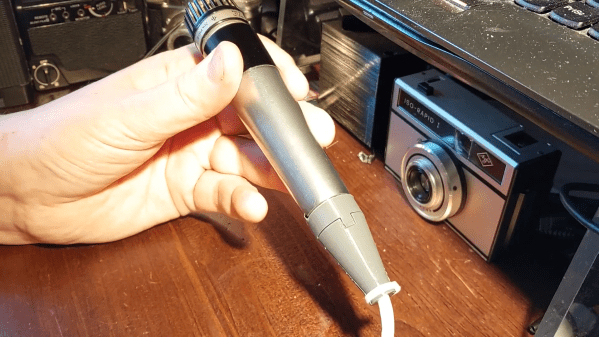
Browsing around today, this project caught our eye. Mainly due to the visual similarity to, well, personal massagers. As it turns out, it’s a home made studio condenser microphone. We would generally prefer to link directly to his personal page, that has a slightly more in dept write up, but it has popups and pop unders, so enter at your own risk.  Generally condenser mics require phantom power to make the magic happen, but he has included a circuit to run them off of 9v batteries. We’ve done condenser mics before, but this seems a bit quicker and dirtier.

Hydrophone

posted Jun 4th 2008 3:30pm by Juan Aguilar
filed under: peripherals hacks


Chances are you’ve never wondered what your goldfish is trying to say, but if you have (or if you just want a project), check out this DIY hydrophone.

You will need a computer microphone, vegetable oil, plastic wrap, scissors, solder, and a small unused plastic bottle. Solder the mic capsule to an appropriate length of cable and test. The entire assembly can then be submerged in vegetable oil inside a plastic bottle. Yes, vegetable oil. Seal the bottle and you’re done.

Hack a Day serves up fresh hacks each day, every day from around the web and a special How-To hack each week.

Send us your hacks